Summary
Performance
Immunogen
Application
Background
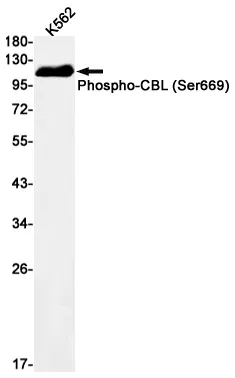
E3 ubiquitin-protein ligase which accepts ubiquitin from an E2 ubiquitin-conjugating enzyme in the form of a thioester and then directly transfers the ubiquitin to targeted substrates. Interacts with SMAD1 and SMAD7 in order to trigger their ubiquitination and proteasome-dependent degradation. E3 ubiquitin-protein ligase which accepts ubiquitin from an E2 ubiquitin-conjugating enzyme in the form of a thioester and then directly transfers the ubiquitin to targeted substrates (PubMed:11016919). Interacts with SMAD7 to trigger SMAD7-mediated transforming growth factor beta/TGF-beta receptor ubiquitin-dependent degradation, thereby downregulating TGF-beta signaling (PubMed:11163210, PubMed:12717440). In addition, interaction with SMAD7 activates autocatalytic degradation, which is prevented by interaction with AIMP1 (PubMed:18448069). Also forms a stable complex with TGF-beta receptor-mediated phosphorylated SMAD1, SMAD2 and SMAD3, and targets SMAD1 and SMAD2 for ubiquitination and proteasome-mediated degradation (PubMed:11016919, PubMed:11158580, PubMed:11389444). SMAD2 may recruit substrates, such as SNON, for ubiquitin-dependent degradation (PubMed:11389444). Negatively regulates TGFB1-induced epithelial- mesenchymal transition and myofibroblast differentiation (PubMed:30696809).
Research Area