
SPAK (phospho Ser325) Rabbit Polyclonal Antibody($99/20μL)

SPAK (phospho Ser325) Rabbit Polyclonal Antibody($99/20μL)

Cat: APRab05460
Size:20μL Price:$99
Size:50μL Price:$118
Size:100μL Price:$220

Size:200μL Price:$380
Application:IHC,ICC/IF,ELISA

Reactivity:Human,Mouse,Rat
Conjugate:Unconjugated
Optional conjugates: Biotin, FITC (free of charge).
See other 26 conjugates.

Gene Name:STK39 Category: Polyclonal Antibody Tags:

Summary

Production Name

SPAK (phospho Ser325) Rabbit Polyclonal Antibody

Description

Rabbit polyclonal Antibody

Host

Rabbit

Application

IHC,ICC/IF,ELISA

Reactivity

Human,Mouse,Rat


Performance

Conjugation

Unconjugated

Modification

Phosphorylated

Isotype

IgG

Clonality

Polyclonal

Form

Liquid

Storage

Store at 4°C short term. Aliquot and store at -20°C long term. Avoid freeze/thaw cycles.

Buffer

Liquid in PBS containing 50% glycerol, 0.5% protective protein and 0.02% New type preservative N.

Purification

Affinity purification


Immunogen

Gene Name

STK39

Alternative Names

STK39; SPAK; STE20/SPS1-related proline-alanine-rich protein kinase; Ste-20-related kinase; DCHT; Serine/threonine-protein kinase 39

Gene ID

27347

SwissProt ID

Q9UEW8


Application

Dilution Ratio

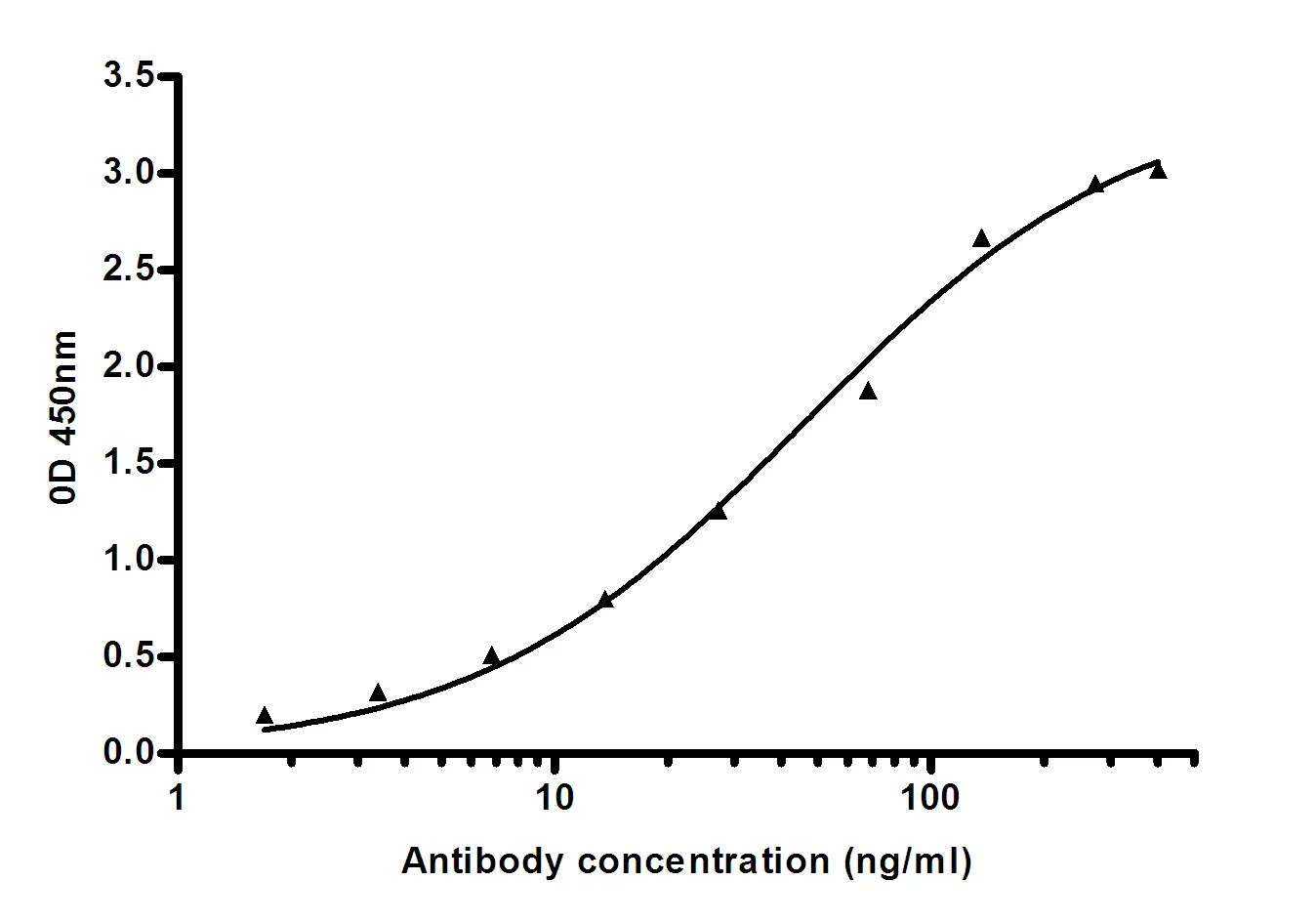
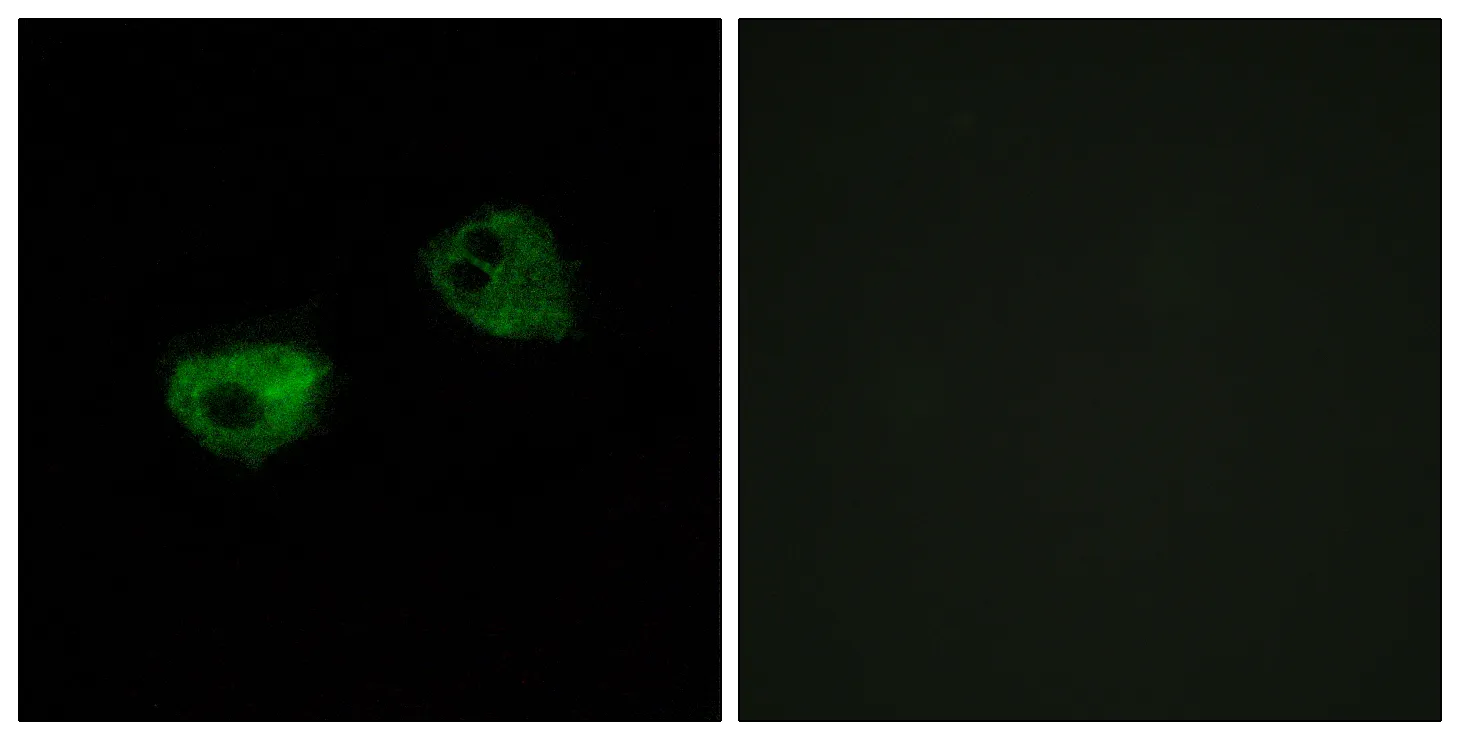
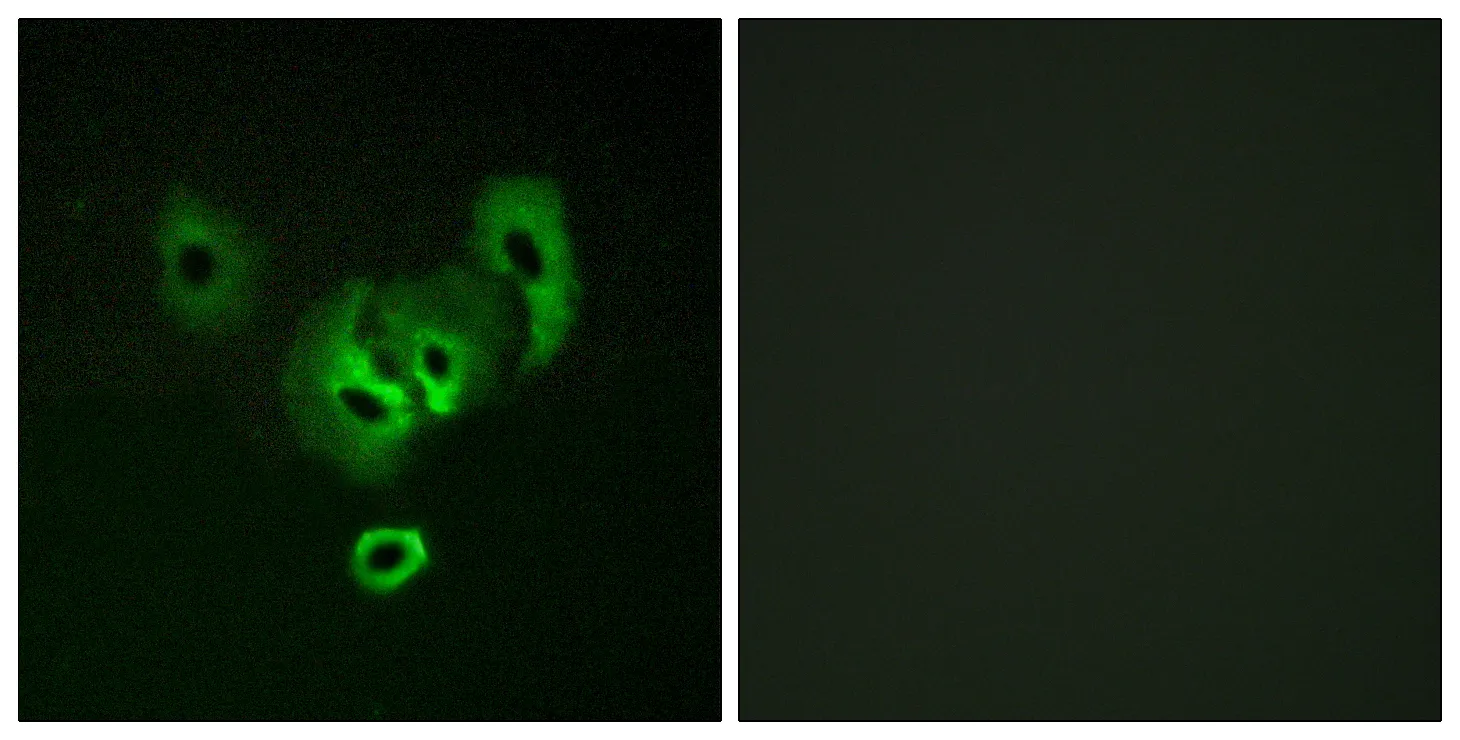
IHC 1:100-1:300,ICC/IF 1:50-1:200,ELISA 1:5000-1:10000

Molecular Weight


Background

This gene encodes a serine/threonine kinase that is thought to function in the cellular stress response pathway. The kinase is activated in response to hypotonic stress, leading to phosphorylation of several cation-chloride-coupled cotransporters. The catalytically active kinase specifically activates the p38 MAP kinase pathway, and its interaction with p38 decreases upon cellular stress, suggesting that this kinase may serve as an intermediate in the response to cellular stress. [provided by RefSeq, Jul 2008],catalytic activity:ATP + a protein = ADP + a phosphoprotein.,domain:PAPA box (proline-alanine repeats) may target the kinase to a specific subcellular location by facilitating interaction with intracellular proteins such as actin or actin-like proteins.,function:May act as a mediator of stress-activated signals.,similarity:Belongs to the protein kinase superfamily. STE Ser/Thr protein kinase family. STE20 subfamily.,similarity:Contains 1 protein kinase domain.,subcellular location:Nucleus when caspase-cleaved.,tissue specificity:Predominantly expressed in brain and pancreas followed by heart, lung, kidney, skeletal muscle, liver, placenta and testis.,


Research Area
   💬 WhatsApp