

SSTR2 Rabbit Polyclonal Antibody($99/20μL)

SSTR2 Rabbit Polyclonal Antibody($99/20μL)

Cat: APRab18308
Size:20μL Price:$99
Size:50μL Price:$118
Size:100μL Price:$220

Size:200μL Price:$380
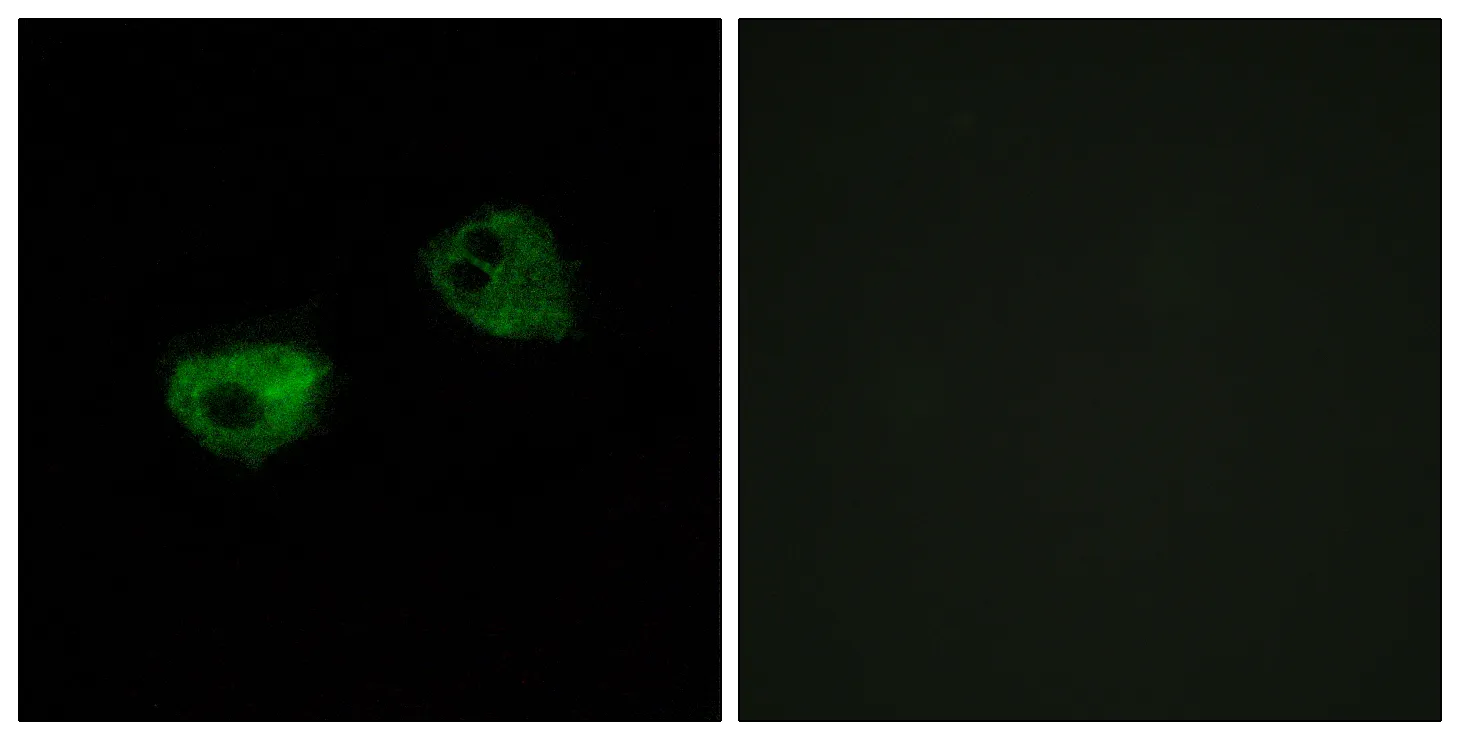
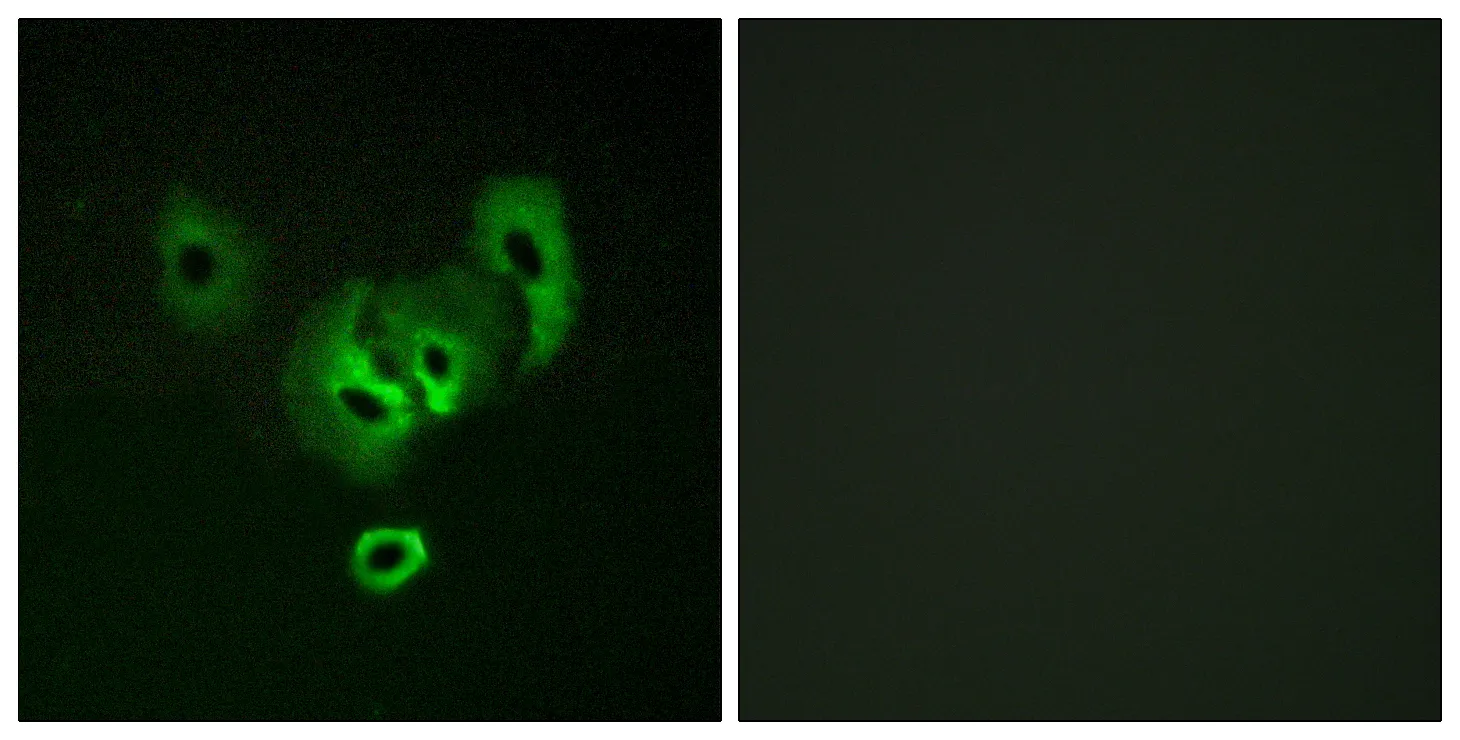
Application:WB,ELISA

Reactivity:Human,Mouse,Rat
Conjugate:Unconjugated
Optional conjugates: Biotin, FITC (free of charge).
See other 26 conjugates.

Gene Name:SSTR2 Category: Polyclonal Antibody Tags:

Summary

Production Name

SSTR2 Rabbit Polyclonal Antibody

Description

Rabbit polyclonal Antibody

Host

Rabbit

Application

WB,ELISA

Reactivity

Human,Mouse,Rat


Performance

Conjugation

Unconjugated

Modification

Unmodified

Isotype

IgG

Clonality

Polyclonal

Form

Liquid

Storage

Store at 4°C short term. Aliquot and store at -20°C long term. Avoid freeze/thaw cycles.

Buffer

Liquid in PBS containing 50% glycerol, 0.5% protective protein and 0.02% New type preservative N.

Purification

Affinity purification


Immunogen

Gene Name

SSTR2

Alternative Names

Somatostatin receptor type 2 (SS-2-R) (SS2-R) (SS2R) (SRIF-1)

Gene ID

6752

SwissProt ID

P30874


Application

Dilution Ratio

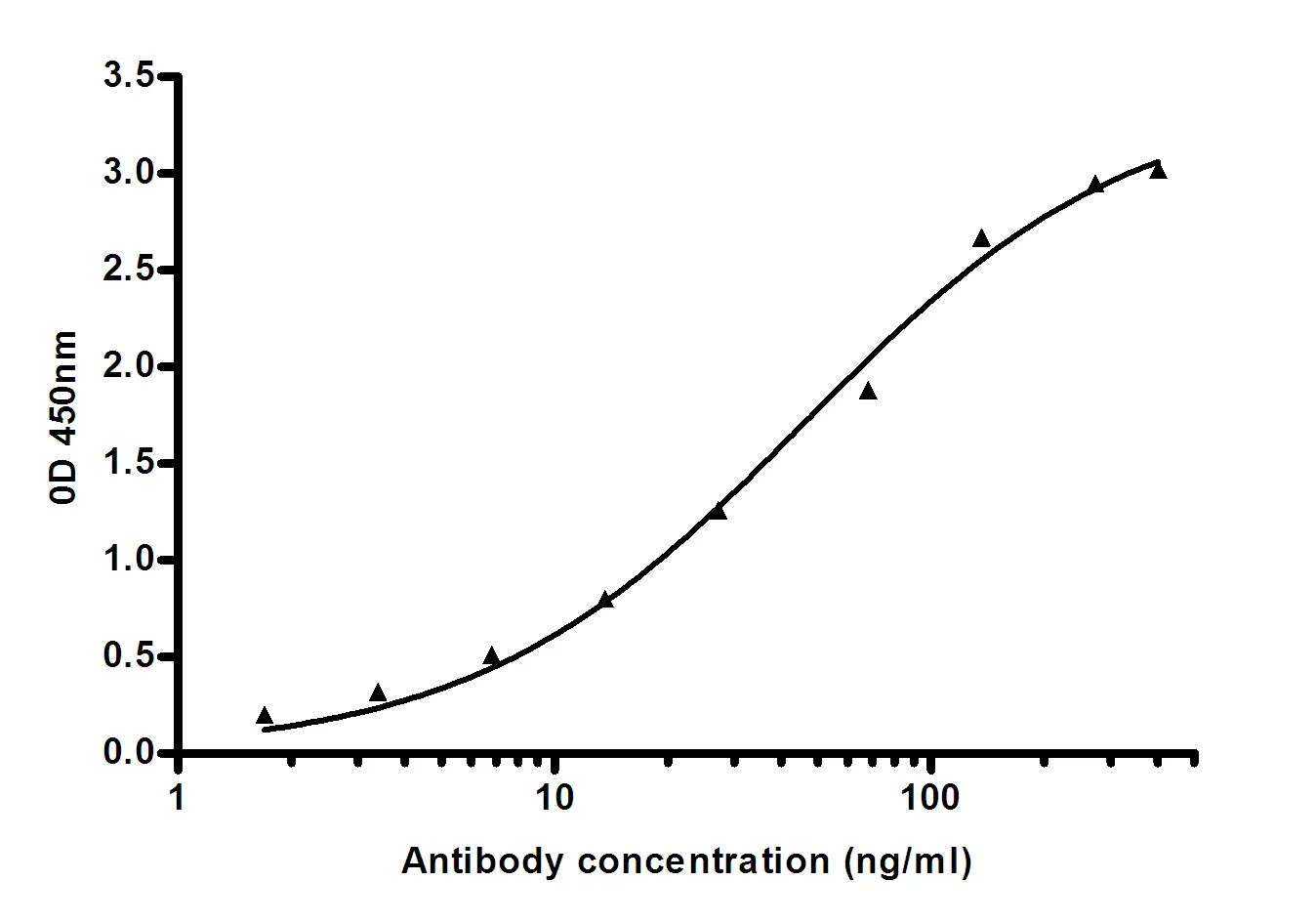
WB 1:500-1:2000,ELISA 1:5000-1:20000

Molecular Weight

40kDa


Background

Somatostatin acts at many sites to inhibit the release of many hormones and other secretory proteins. The biologic effects of somatostatin are probably mediated by a family of G protein-coupled receptors that are expressed in a tissue-specific manner. SSTR2 is a member of the superfamily of receptors having seven transmembrane segments and is expressed in highest levels in cerebrum and kidney. [provided by RefSeq, Jul 2008],function:Receptor for somatostatins-14 and -28. This receptor is coupled via pertussis toxin sensitive G proteins to inhibition of adenylyl cyclase. In addition it stimulates phosphotyrosine phosphatase and PLC via pertussis toxin insensitive as well as sensitive G proteins. In RIN-5F cells, this receptor inhibits calcium entry by suppressing voltage dependent calcium-channels.,similarity:Belongs to the G-protein coupled receptor 1 family.,subunit:The C-terminus interacts with SHANK1 PDZ domain.,tissue specificity:Cerebrum and kidney. In lesser amounts in jejunum, colon and liver.,


Research Area

Neuroactive ligand-receptor interaction;
   💬 WhatsApp