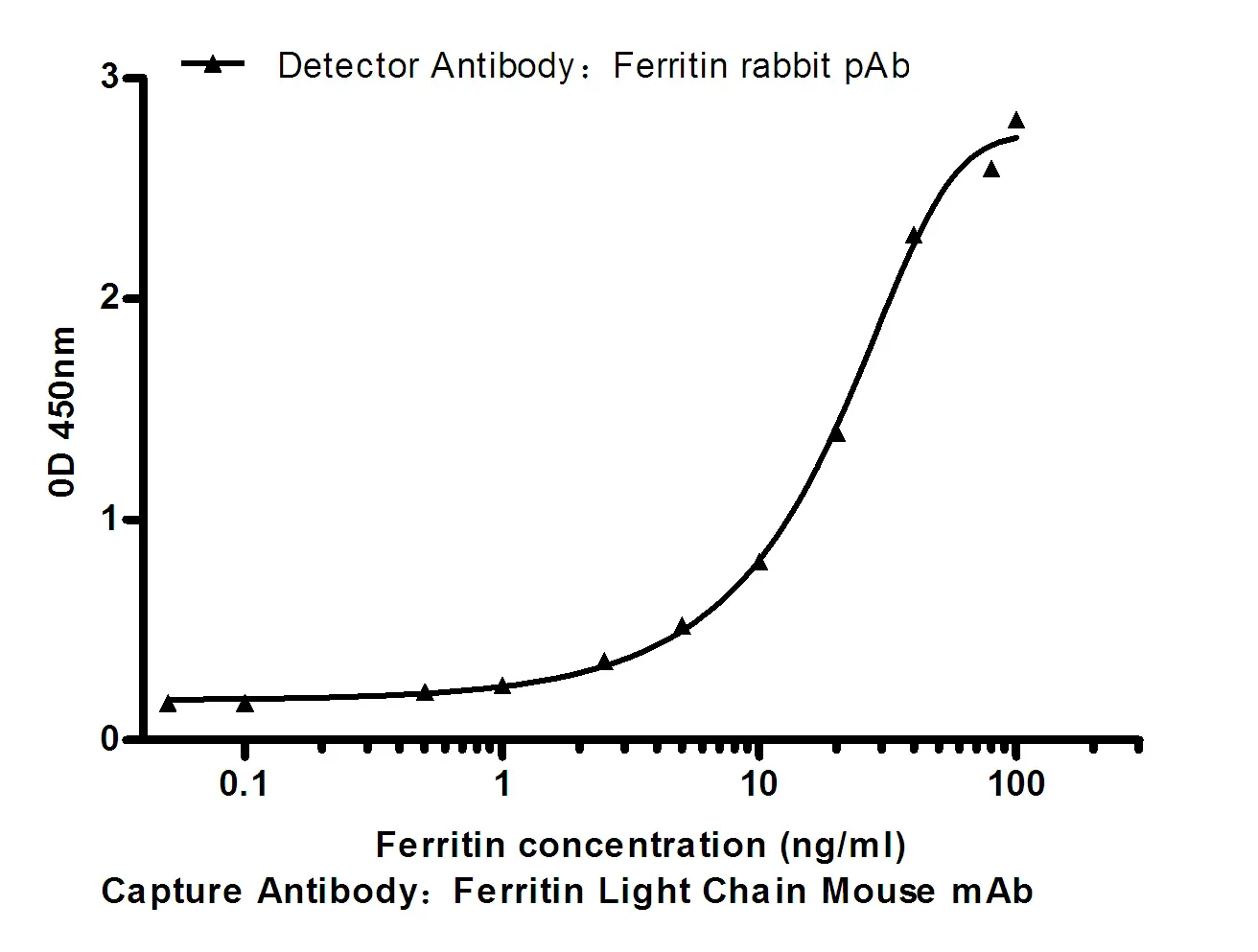
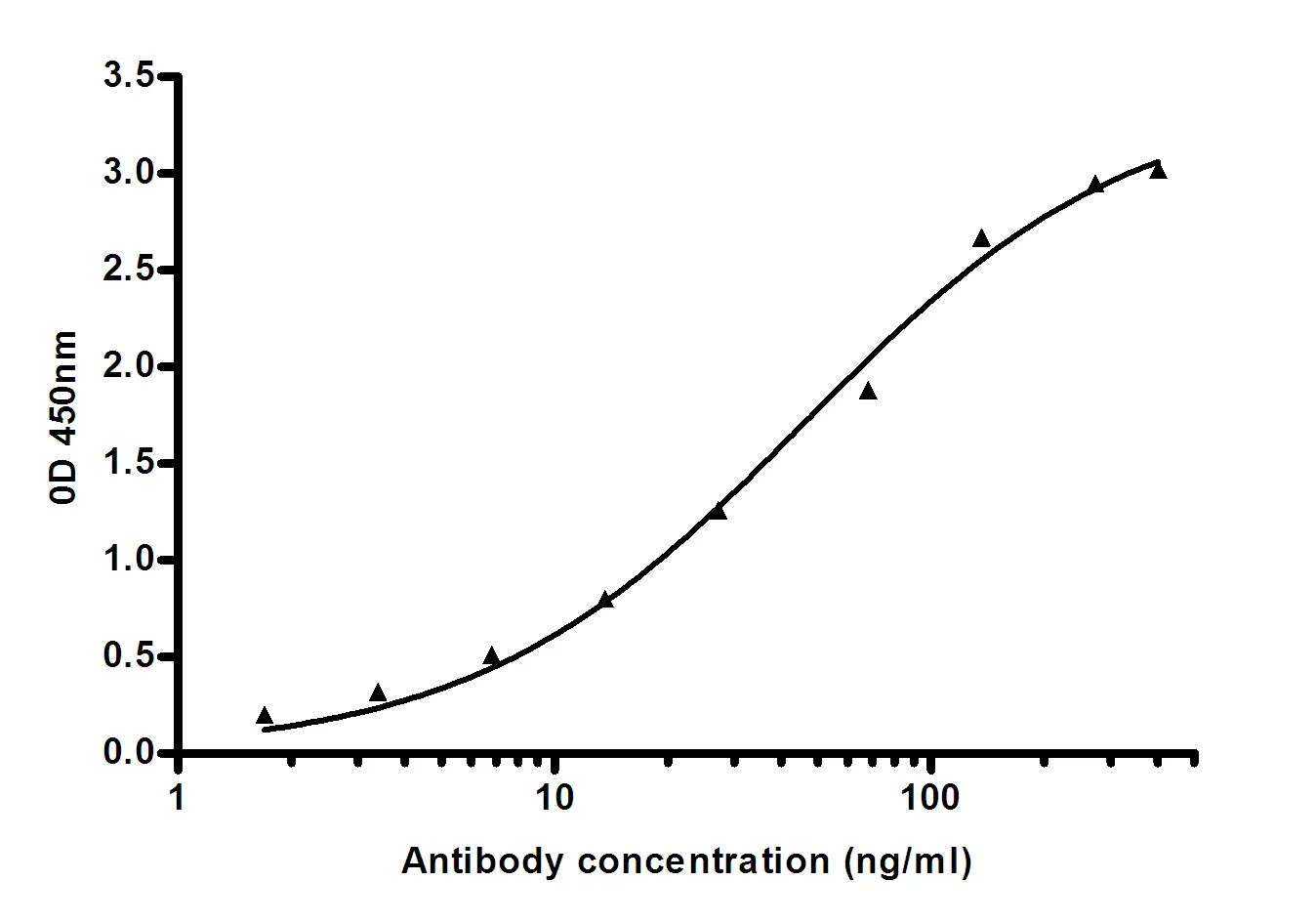
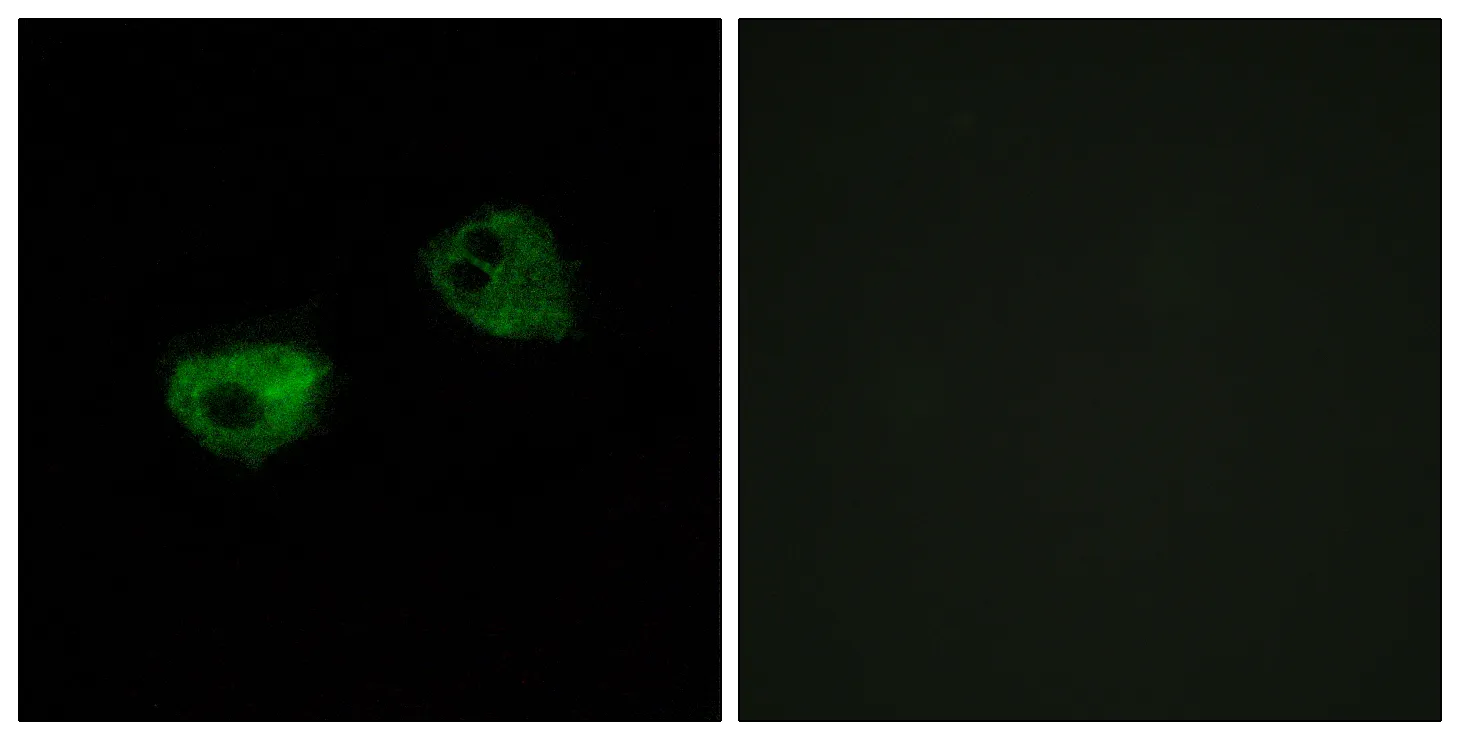
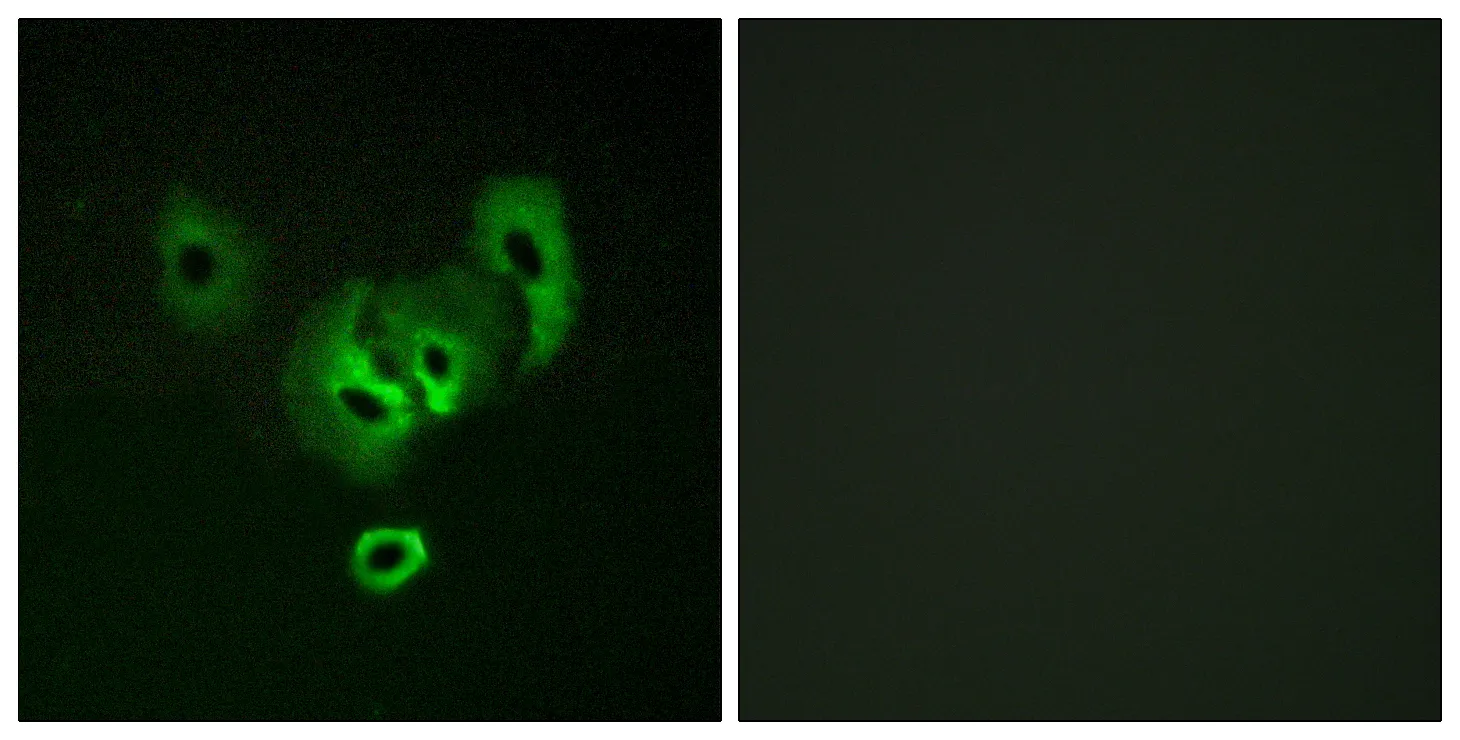
Summary
Performance
Immunogen
Application
Background
The protein encoded by this gene is one of several sodium channel beta subunits. These subunits interact with voltage-gated alpha subunits to change sodium channel kinetics. The encoded transmembrane protein forms interchain disulfide bonds with SCN2A. Defects in this gene are a cause of long QT syndrome type 10 (LQT10). Three protein-coding and one non-coding transcript variant have been found for this gene.[provided by RefSeq, Mar 2009],disease:Defects in SCN4B are the cause of long QT syndrome type 10 (LQT10) [MIM:611819]. Long QT syndromes are heart disorders characterized by a prolonged QT interval on the ECG and polymorphic ventricular arrhythmias. They cause syncope and sudden death in response to excercise or emotional stress. They can present with a sentinel event of sudden cardiac death in infancy.,function:Modulates channel gating kinetics. Causes negative shifts in the voltage dependence of activation of certain alpha sodium channels, but does not affect the voltage dependence of inactivation.,PTM:Contains a number of interchain disulfide bonds with SCN2A.,similarity:Contains 1 Ig-like C2-type (immunoglobulin-like) domain.,subunit:The voltage-sensitive sodium channel consists of an ion conducting pore forming alpha-subunit regulated by one or more beta-1, beta-2, beta-3 and/or beta-4 subunits. Beta-1 and beta-3 are non-covalently associated with alpha, while beta-2 and beta-4 are covalently linked by disulfide bonds. Associates with SCN2A.,tissue specificity:Expressed at a high level in dorsal root ganglia, at a lower level in brain, spinal cord, skeletal muscle and heart.,
Research Area
Neuroscience; Neurology process; Neural Signal Transduction