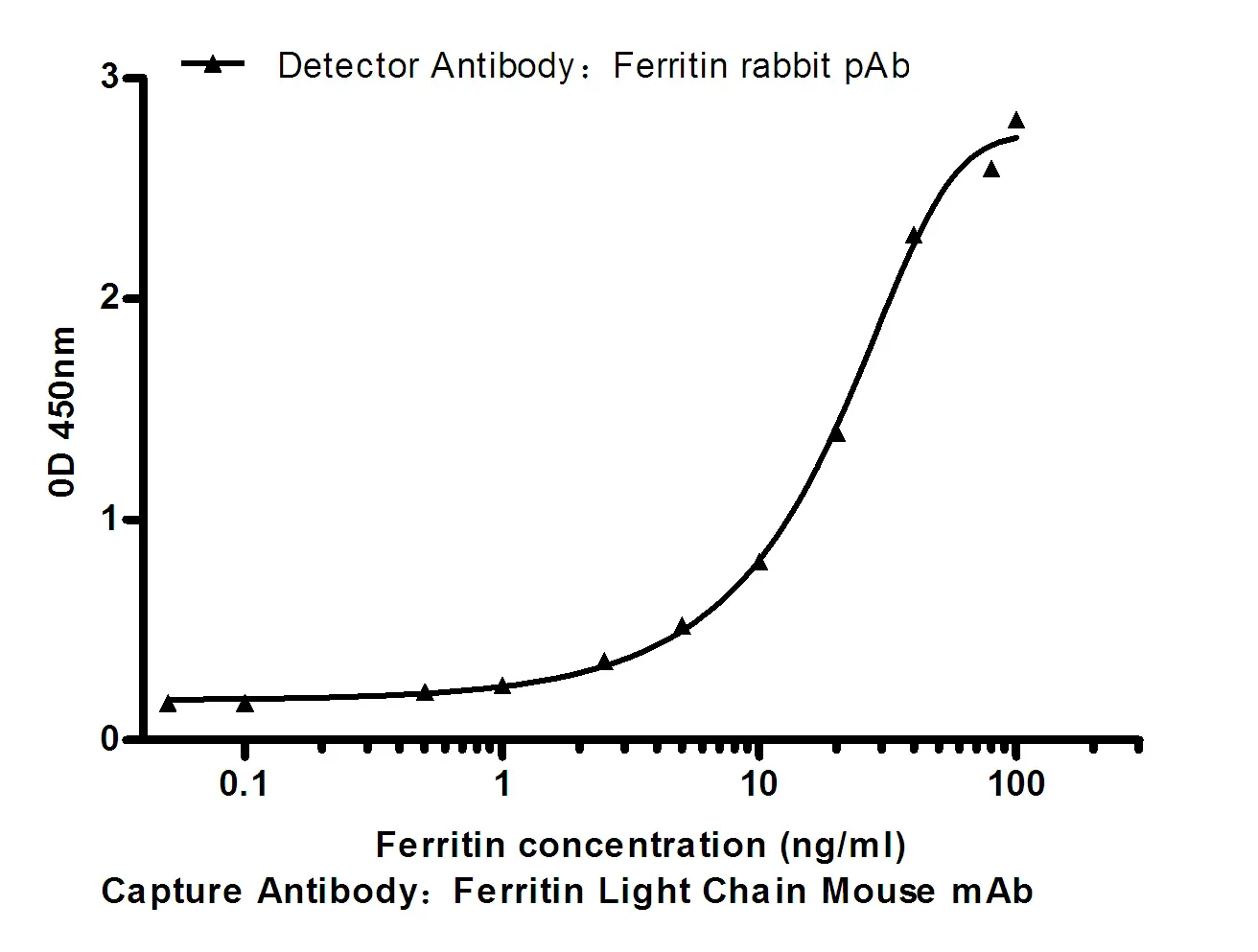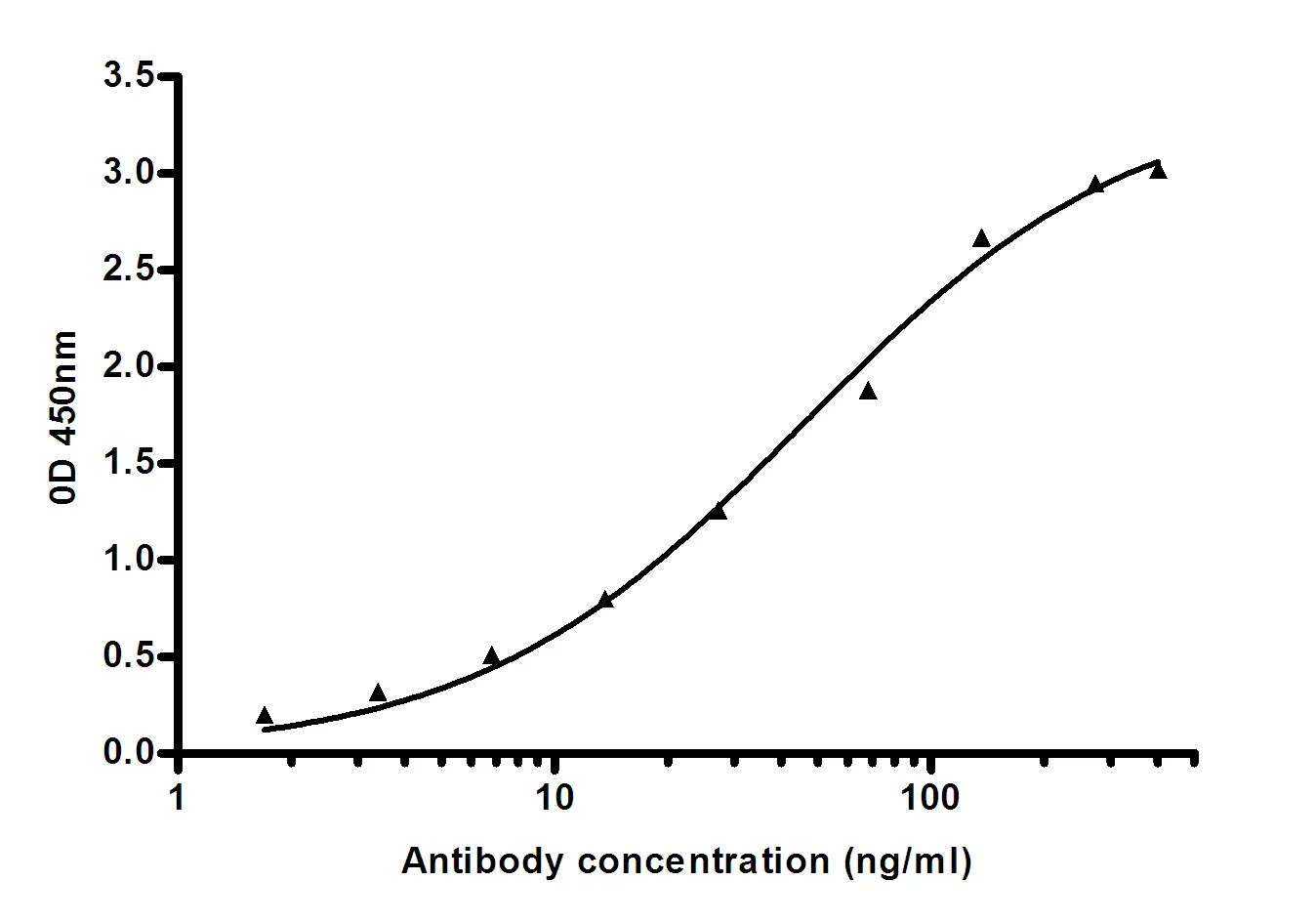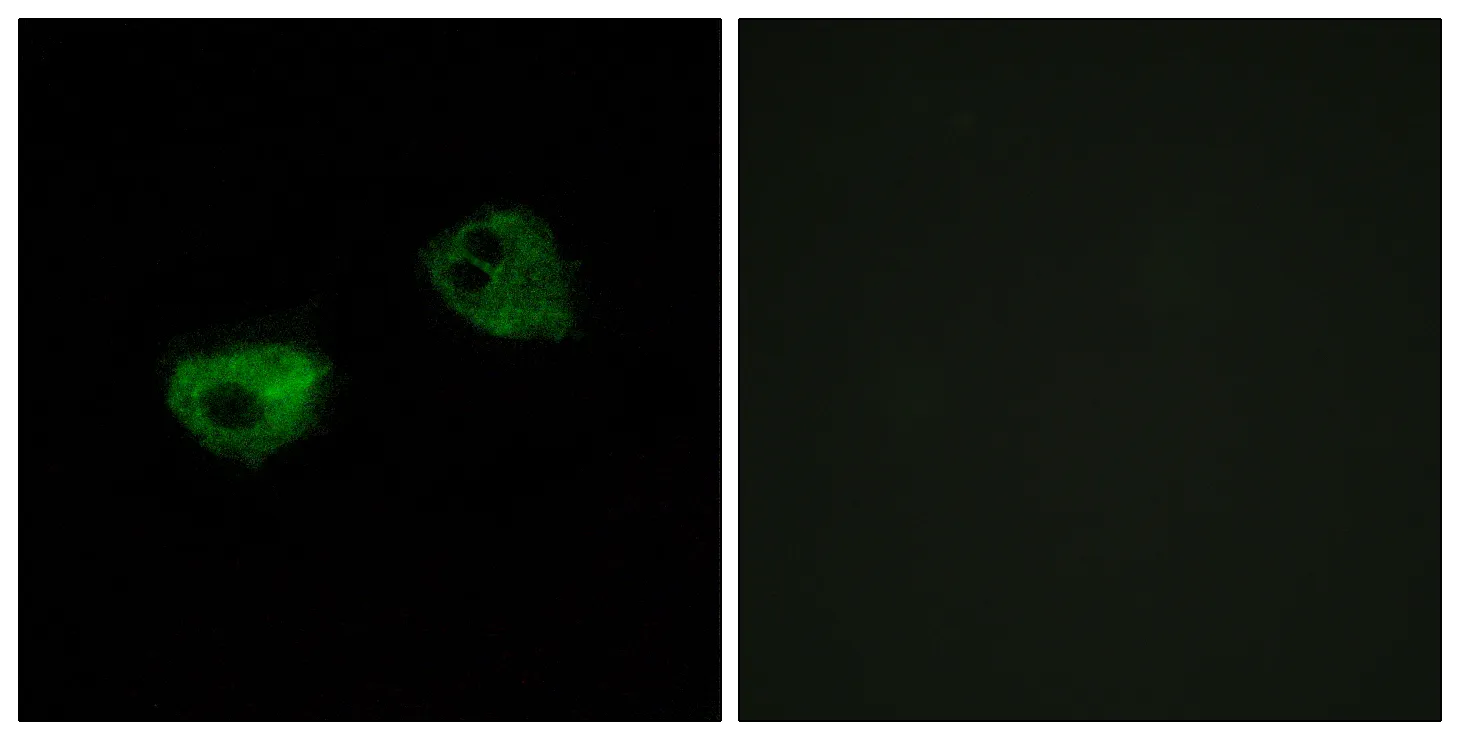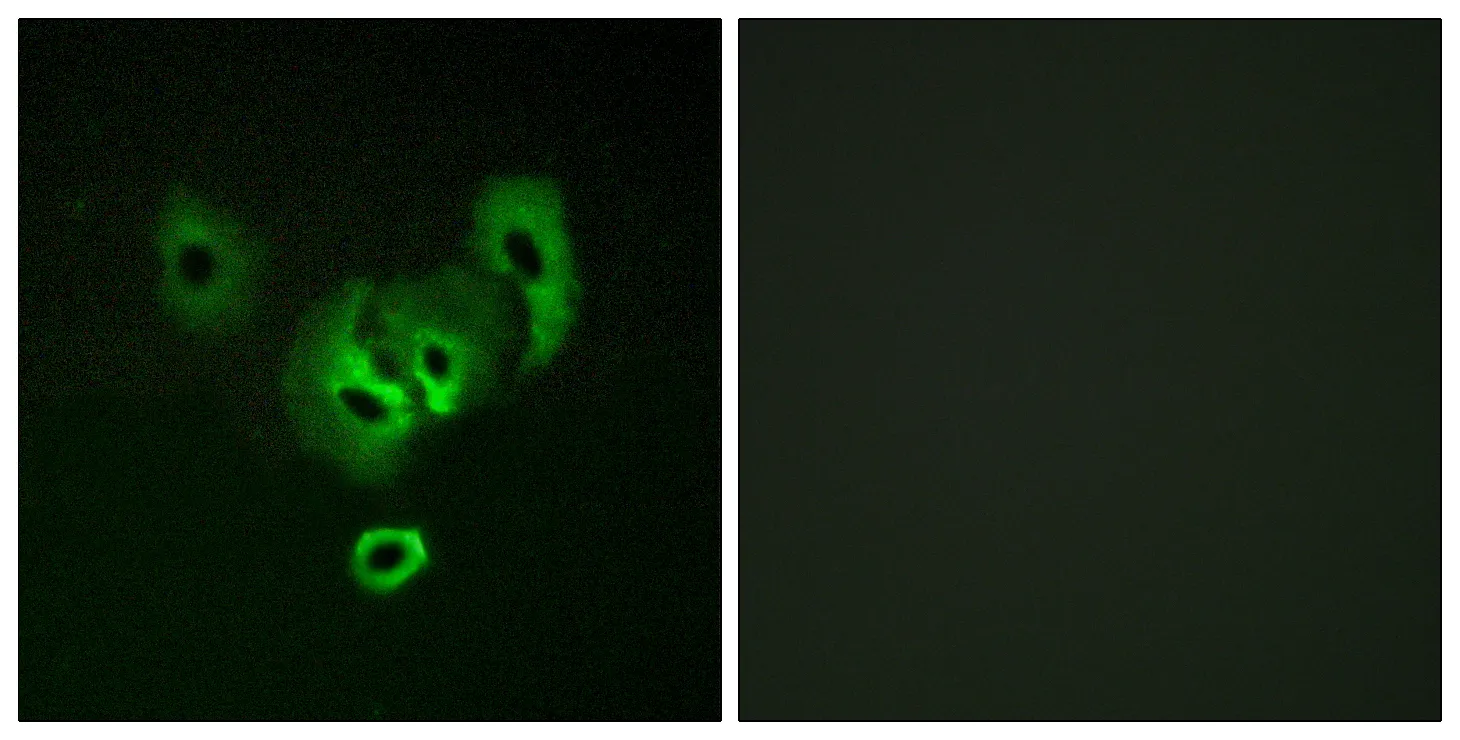


Summary
Performance
Immunogen
Application
Background
The protein encoded by this gene is a homeobox protein that is similar to the Drosophila 'sine oculis' gene product. This gene is found in a cluster of related genes on chromosome 14 and is thought to be involved in limb development. Defects in this gene are a cause of autosomal dominant deafness type 23 (DFNA23) and branchiootic syndrome type 3 (BOS3). [provided by RefSeq, Jul 2008],disease:Defects in SIX1 are the cause of autosomal dominant deafness type 23 (DFNA23) [MIM:605192].,disease:Defects in SIX1 are the cause of branchiootic syndrome type 3 (BOS3) [MIM:608389]. Urinary tract malformations constitute the most frequent cause of chronic renal failure in the first two decades of life. Branchio-oto-renal syndrome (BOR) is an autosomal dominant developmental disorder of kidney and urinary tract malformations with hearing loss. The major feature of BOR is hearing loss (93% of patients), which can be conductive, sensorineural, or both and varies in age of onset.,function:May be involved in limb tendon and ligament development.,similarity:Belongs to the SIX/Sine oculis homeobox family.,similarity:Contains 1 homeobox DNA-binding domain.,tissue specificity:Specifically expressed in skeletal muscle.,
Research Area
Epigenetics and Nuclear Signaling; Transcription; Cancer susceptibility; Proto-oncogenes; Domain Families; Developmental Families; Cell cycle; Cell Differentiation