UTP14A Rabbit Polyclonal Antibody($99/20μL)

UTP14A Rabbit Polyclonal Antibody($99/20μL)

Cat: APRab19693
Size:20μL Price:$99
Size:50μL Price:$118
Size:100μL Price:$220

Size:200μL Price:$380
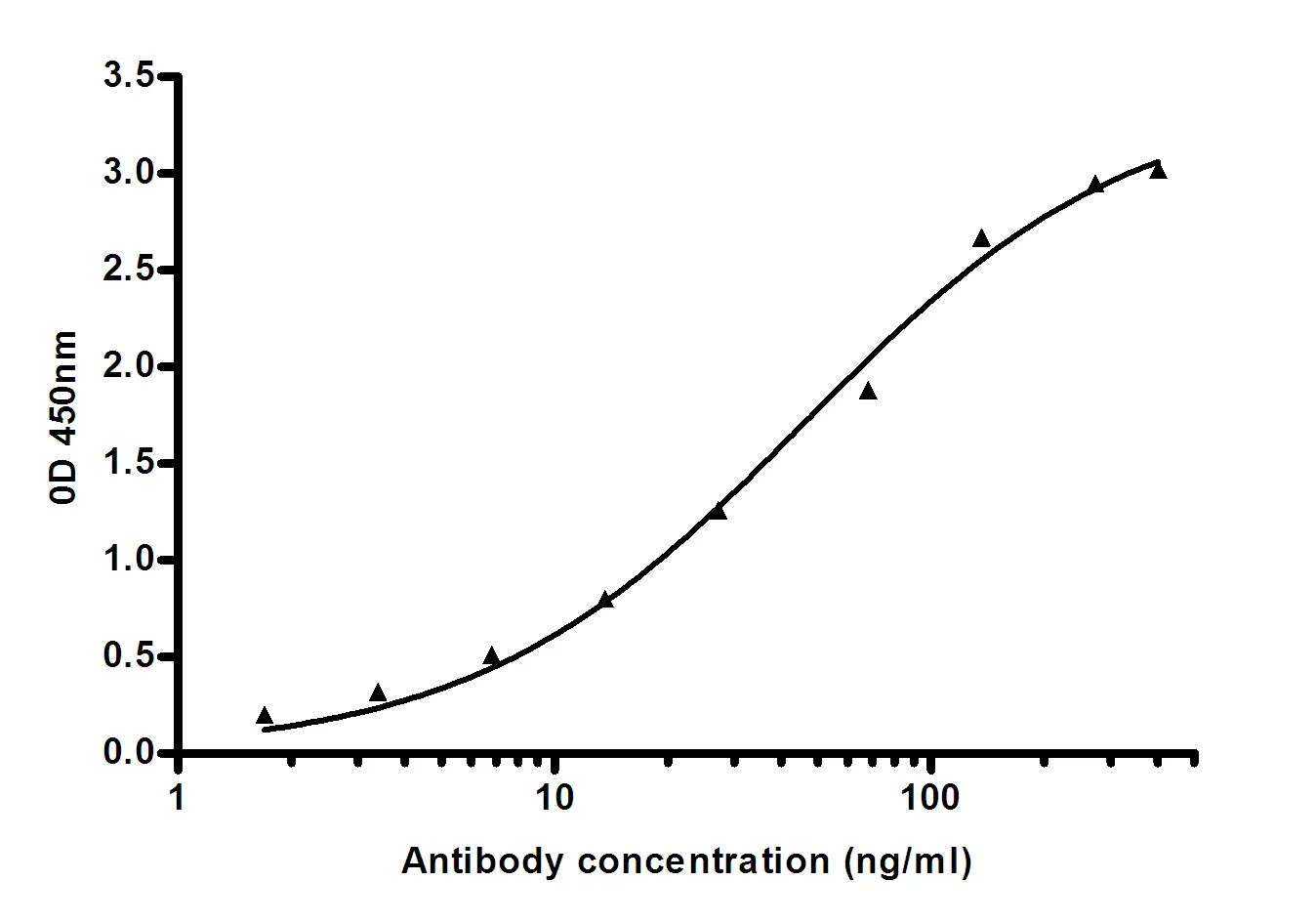
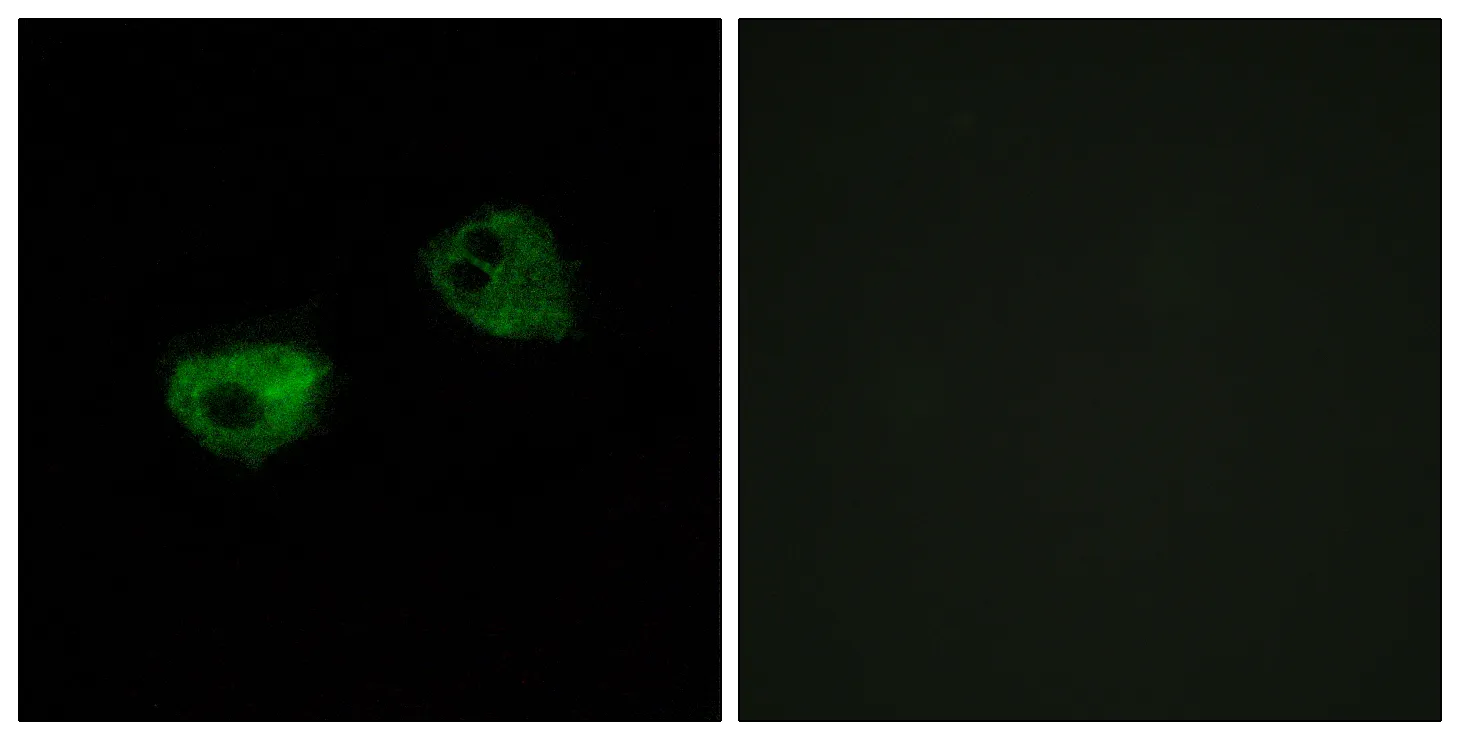
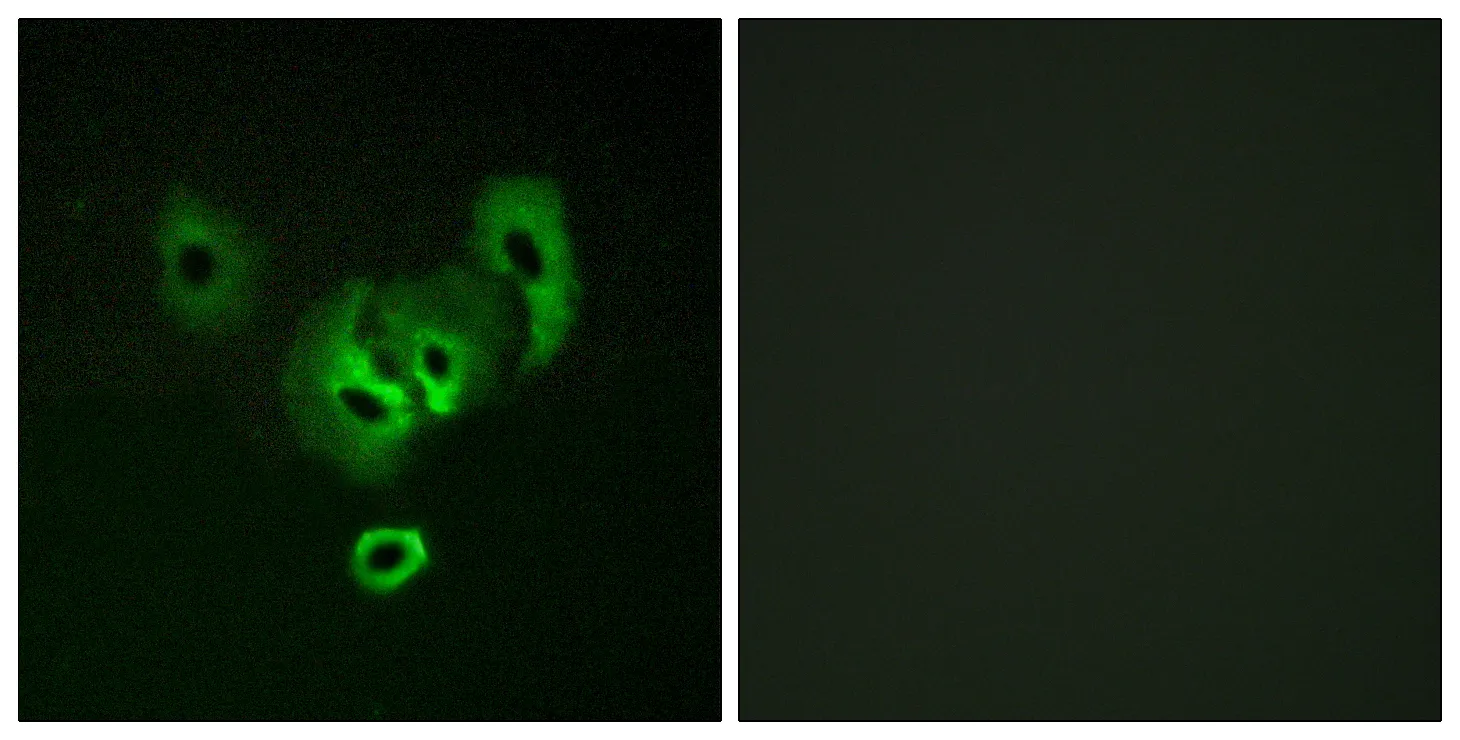
Application:WB,IHC,ICC/IF,ELISA

Reactivity:Human,Mouse
Conjugate:Unconjugated
Optional conjugates: Biotin, FITC (free of charge).
See other 26 conjugates.

Gene Name:UTP14A Category: Polyclonal Antibodies Tags:

Summary

Production Name

UTP14A Rabbit Polyclonal Antibody

Description

Rabbit polyclonal Antibody

Host

Rabbit

Application

WB,IHC,ICC/IF,ELISA

Reactivity

Human,Mouse


Performance

Conjugation

Unconjugated

Modification

Unmodified

Isotype

IgG

Clonality

Polyclonal

Form

Liquid

Storage

Store at 4°C short term. Aliquot and store at -20°C long term. Avoid freeze/thaw cycles.

Buffer

Liquid in PBS containing 50% glycerol, 0.5% protective protein and 0.02% New type preservative N.

Purification

Affinity purification


Immunogen

Gene Name

UTP14A

Alternative Names

UTP14A; SDCCAG16; U3 small nucleolar RNA-associated protein 14 homolog A; Antigen NY-CO-16; Serologically defined colon cancer antigen 16

Gene ID

10813

SwissProt ID

Q9BVJ6


Application

Dilution Ratio

WB 1:500-1:2000,IHC 1:100-1:300,ICC/IF 1:200-1:1000,ELISA 1:10000-1:20000

Molecular Weight

85kDa


Background

This gene encodes a member of the uridine triphosphate 14 family. As an essential component of a large ribonucleoprotein complex bound to the U3 small nucleolar RNA, the encoded protein is involved in ribosome biogenesis and 18S rRNA synthesis. An autosomal retrotransposed copy of this X-linked gene exists on chromosome 13. Alternative splicing results in multiple transcript variants.[provided by RefSeq, Oct 2009],function:May be required for ribosome biogenesis.,miscellaneous:The human genome also contains the UTP14C gene, an autosomal retrotransposed copy of this X-linked gene. Evolution of autosomal retrogenes from X-linked progenitors compensates for X-chromosome silencing during male meiosis.,PTM:Phosphorylated upon DNA damage, probably by ATM or ATR.,similarity:Belongs to the UTP14 family.,tissue specificity:Ubiquitously expressed.,


Research Area
   💬 WhatsApp