Summary
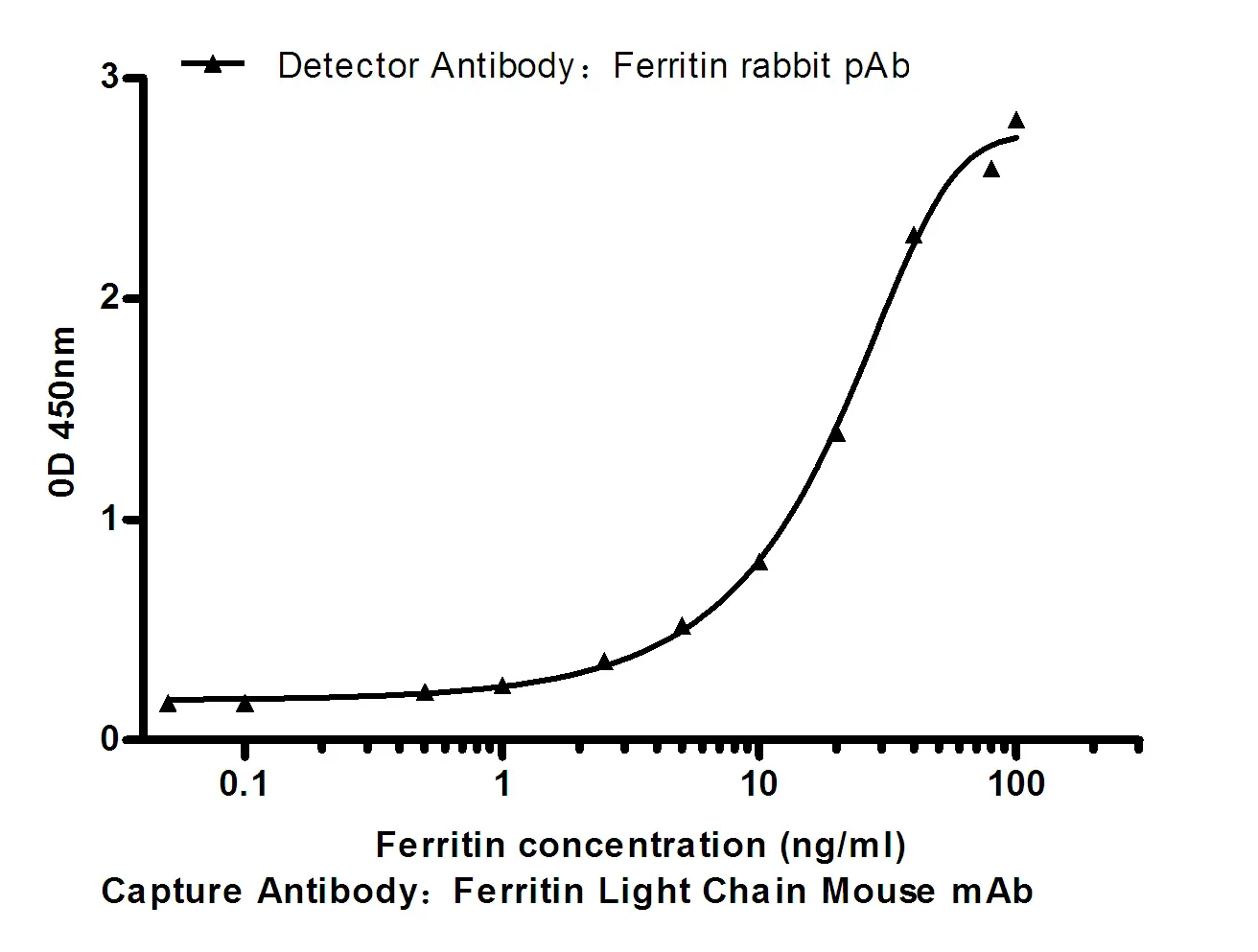
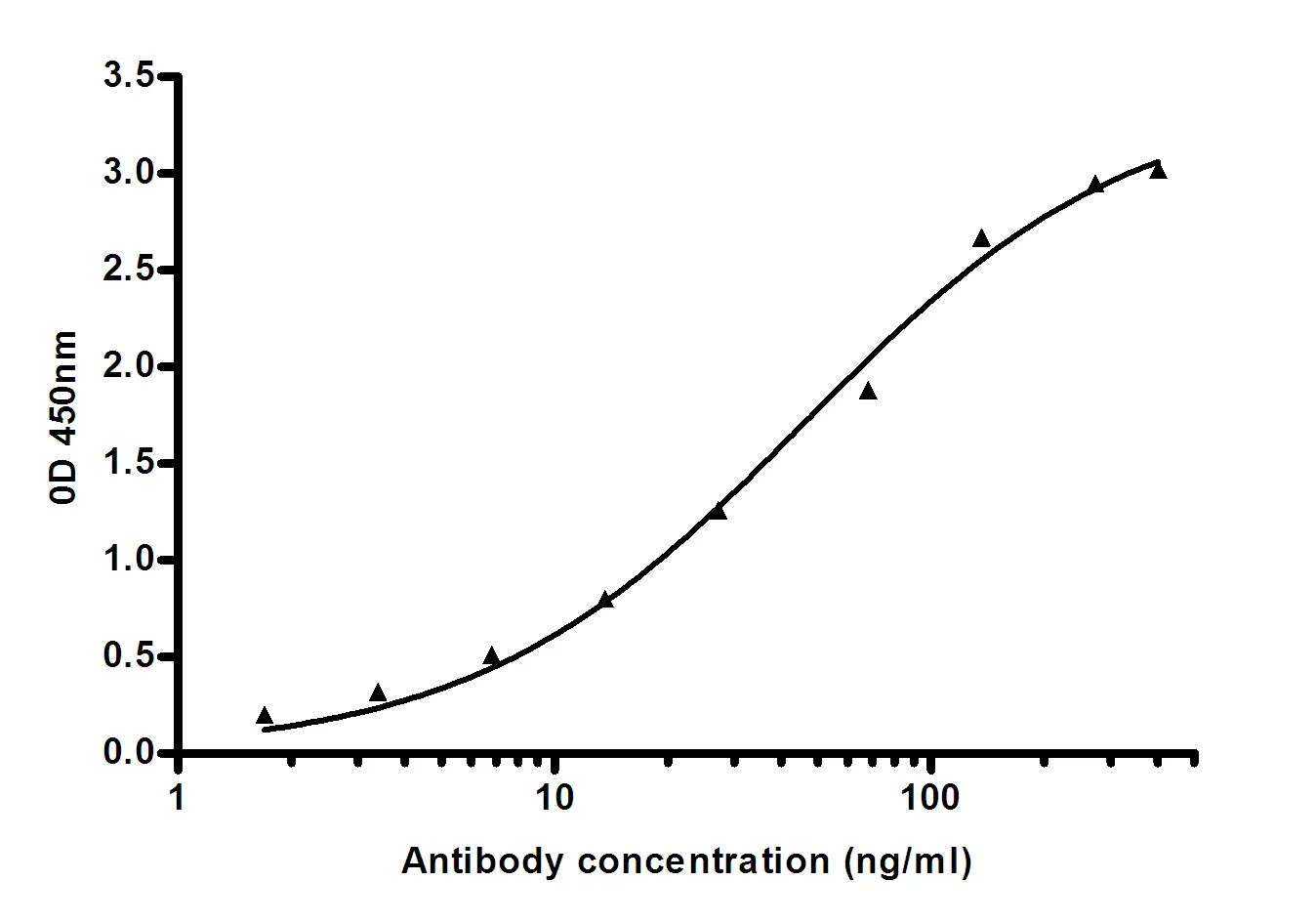
Performance
Immunogen
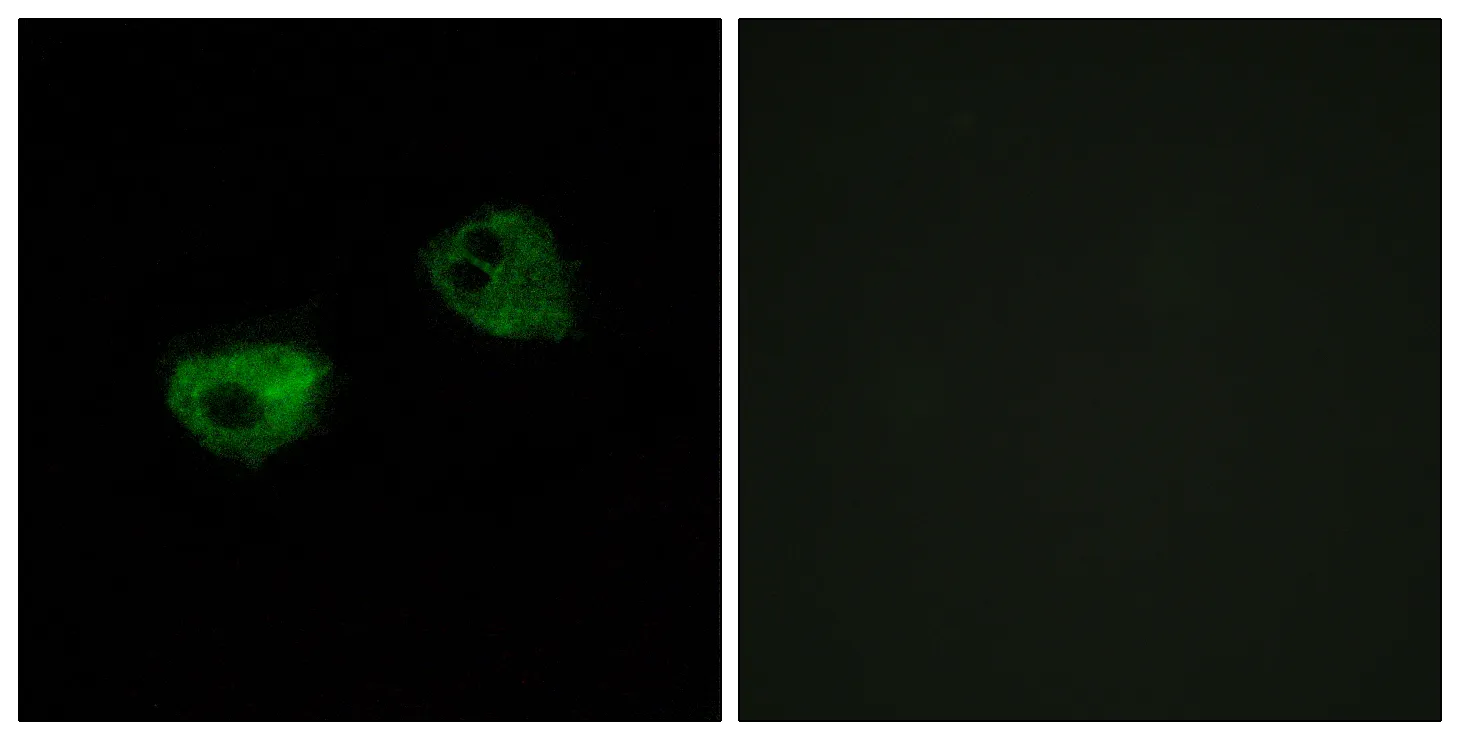
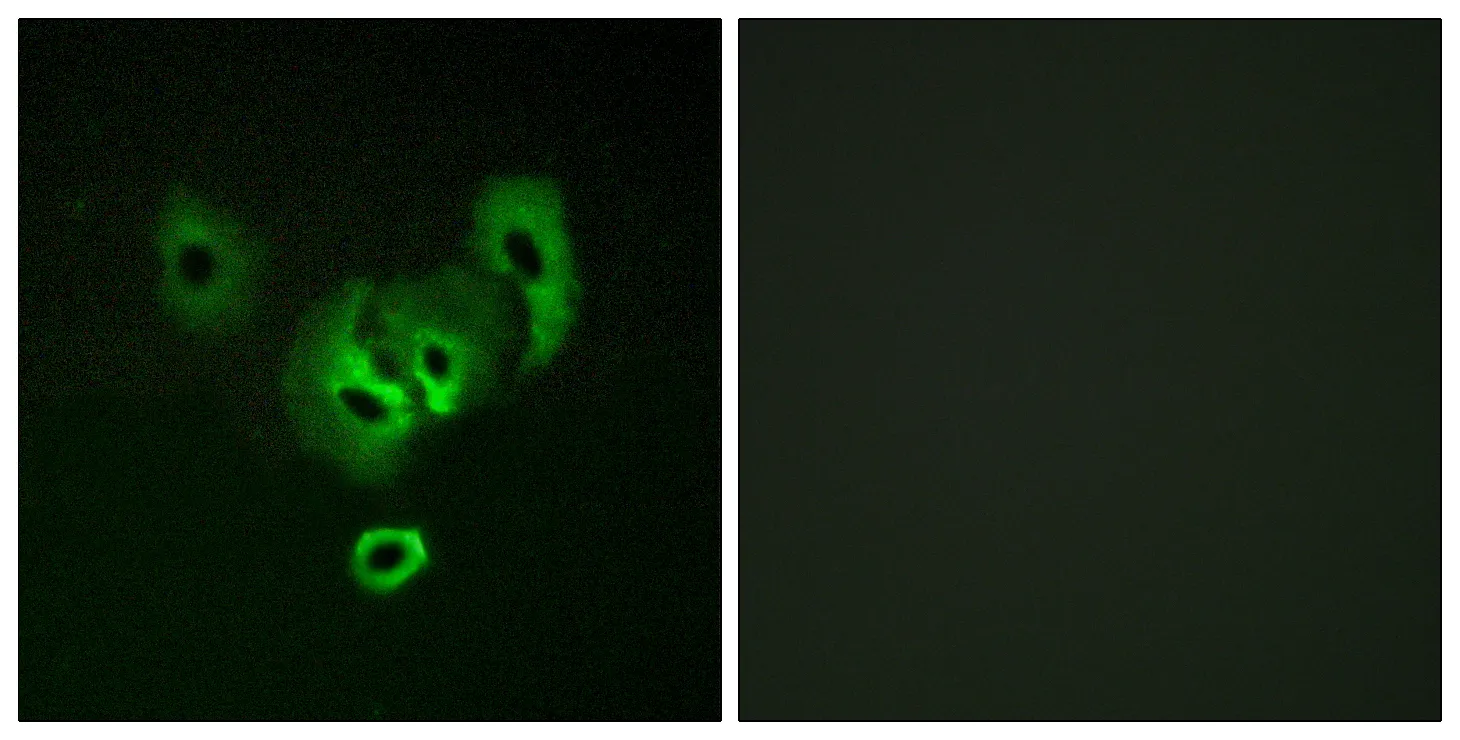
Application
Background
Synaptobrevins/VAMPs, syntaxins, and the 25-kD synaptosomal-associated protein SNAP25 are the main components of a protein complex involved in the docking and/or fusion of synaptic vesicles with the presynaptic membrane. The protein encoded by this gene is a member of the vesicle-associated membrane protein (VAMP)/synaptobrevin family. This protein may play a role in trans-Golgi network-to-endosome transport. [provided by RefSeq, Jul 2008],function:Involved in the pathway that functions to remove an inhibitor (probably synaptotagmin-4) of calcium-triggered exocytosis during the maturation of secretory granules. May be a marker for this sorting pathway that is critical for remodeling the secretory response of granule.,similarity:Belongs to the synaptobrevin family.,similarity:Contains 1 v-SNARE coiled-coil homology domain.,subcellular location:Associated with trans Golgi network (TGN) and newly formed immature secretory granules (ISG). Not found on the mature secretory organelles.,subunit:Identified in a complex containing STX6, STX13, VAMP4 and VTI1A.,
Research Area
SNARE interactions in vesicular transport;