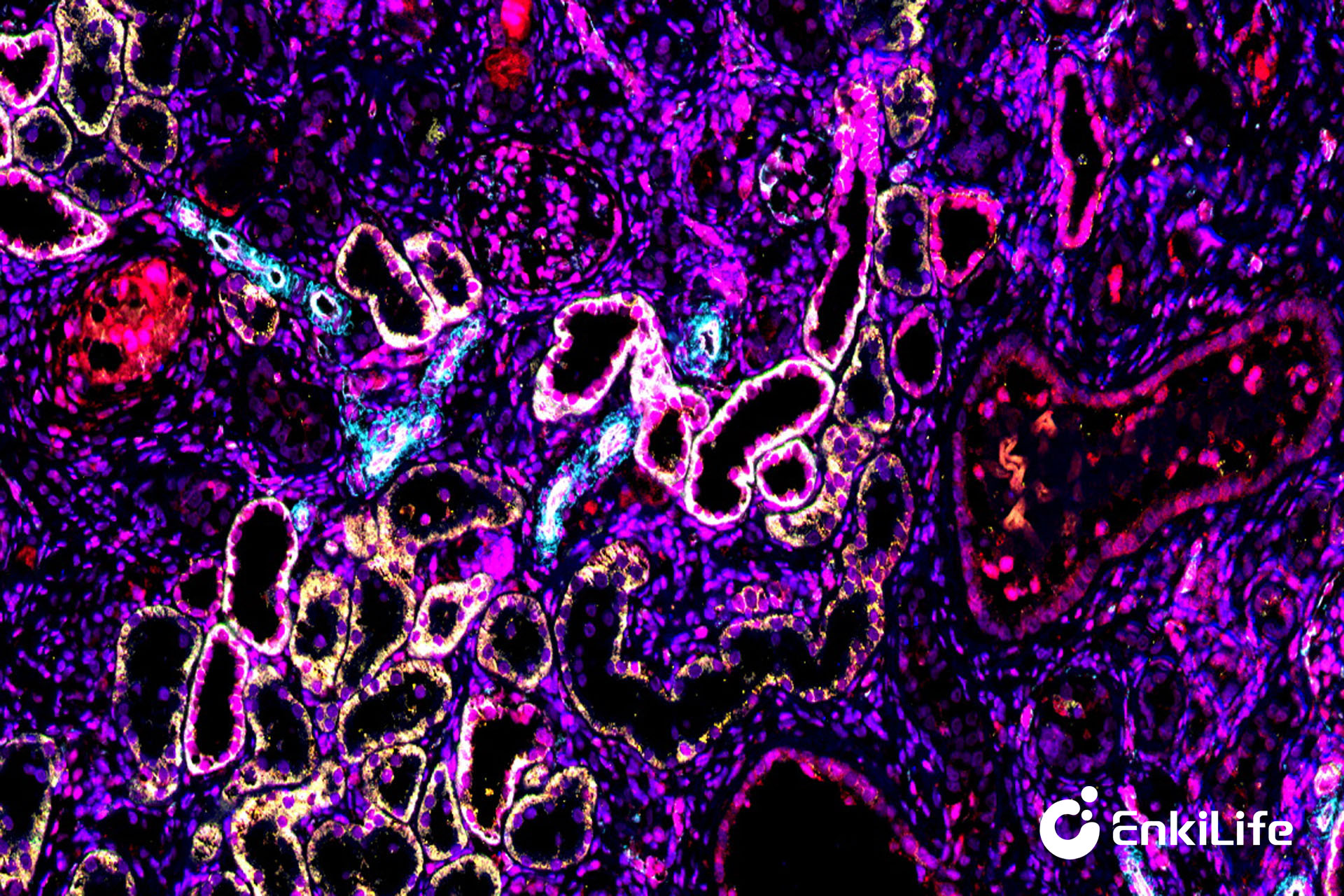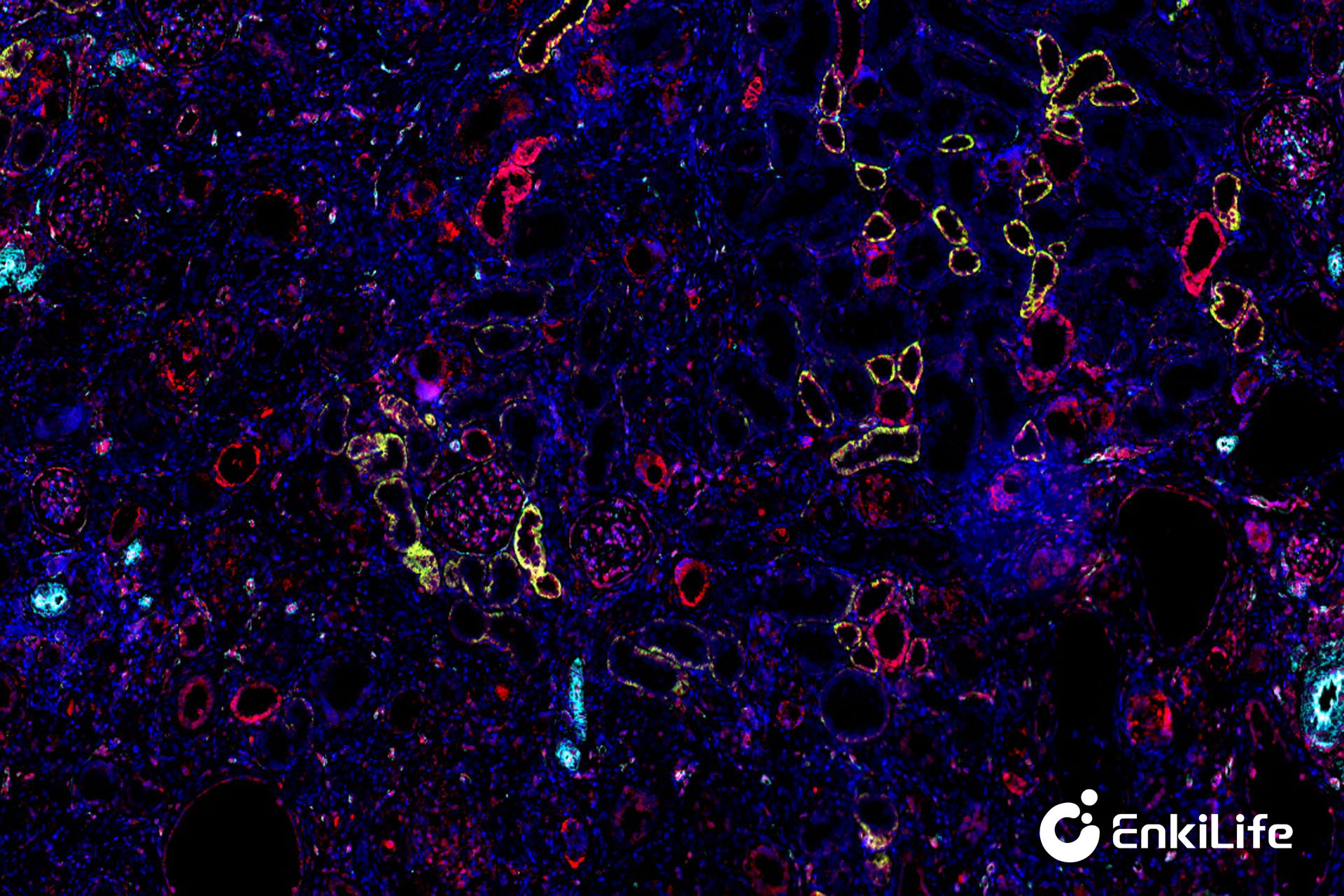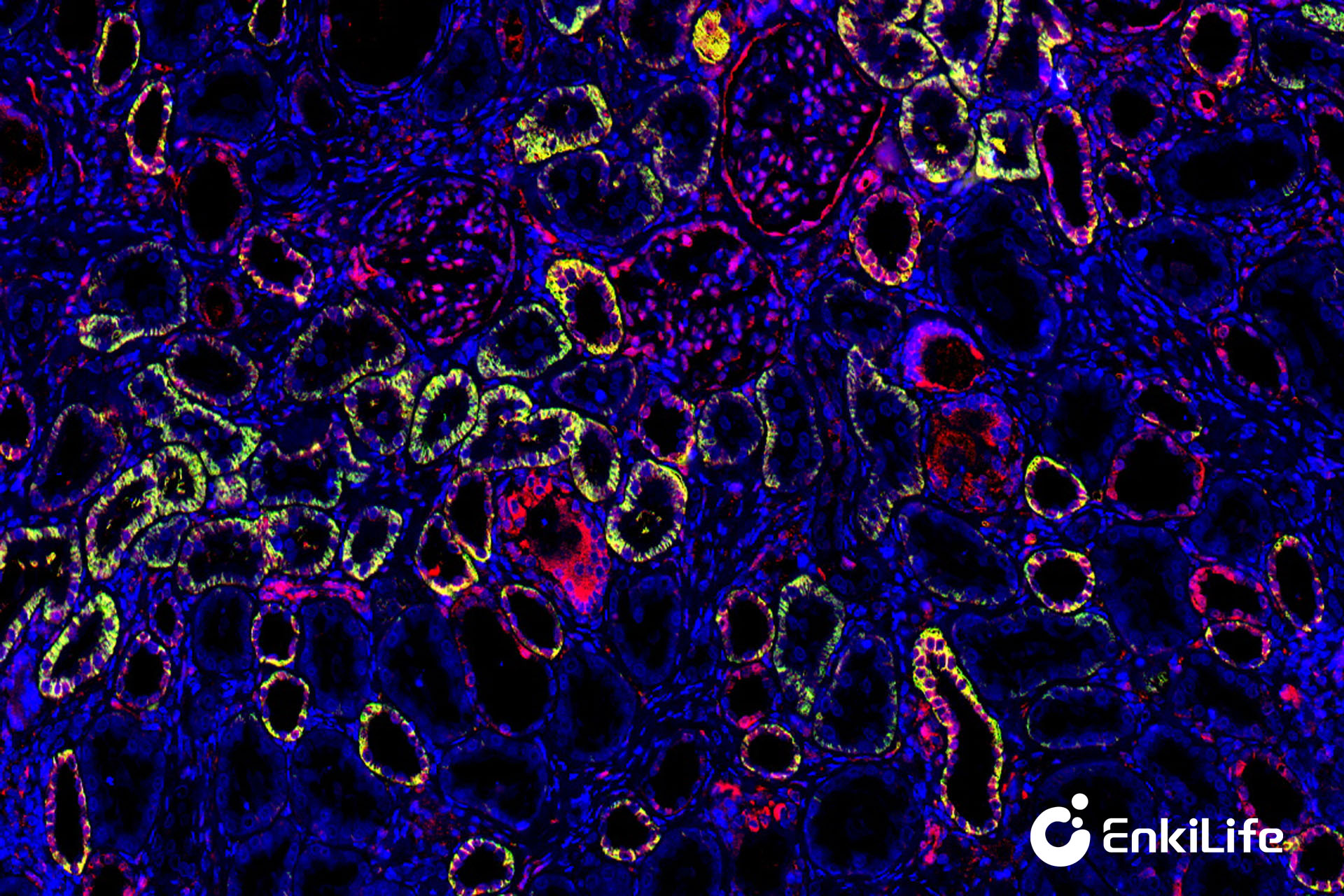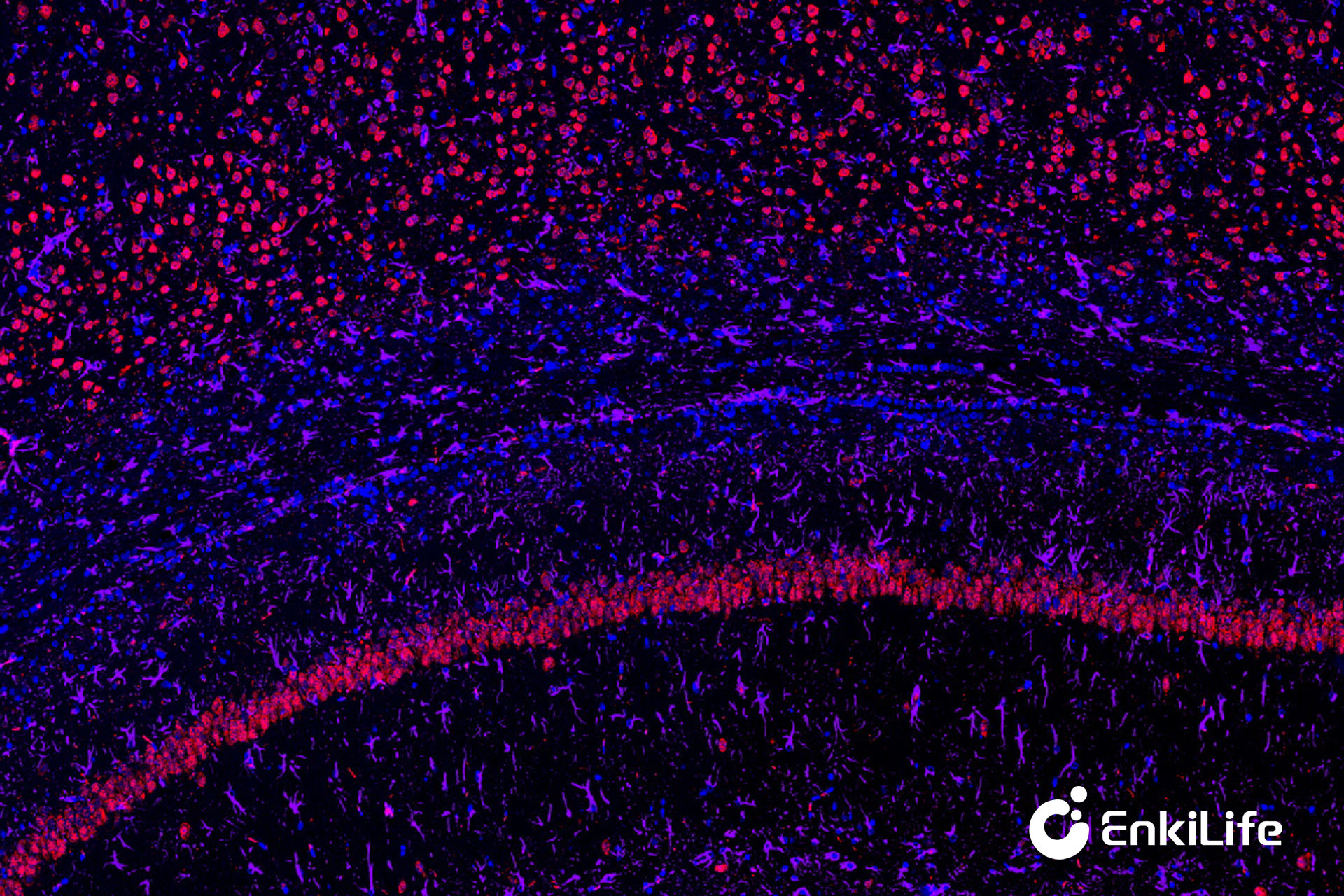
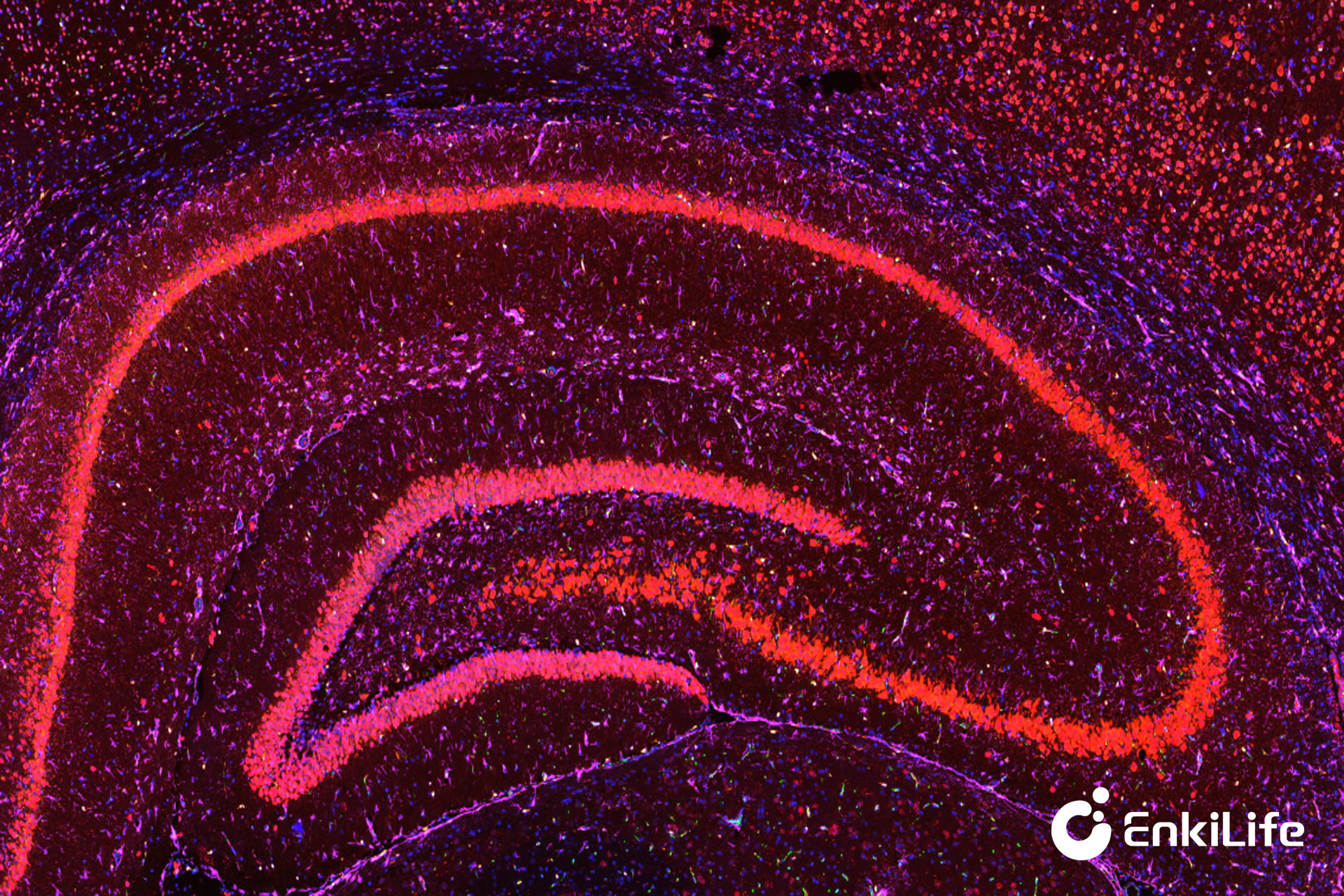
What Exactly is "Spatial Information" that Reviewers are Increasingly Focused On? — Re-understanding Multiplex Fluorescence Immunohistochemistry
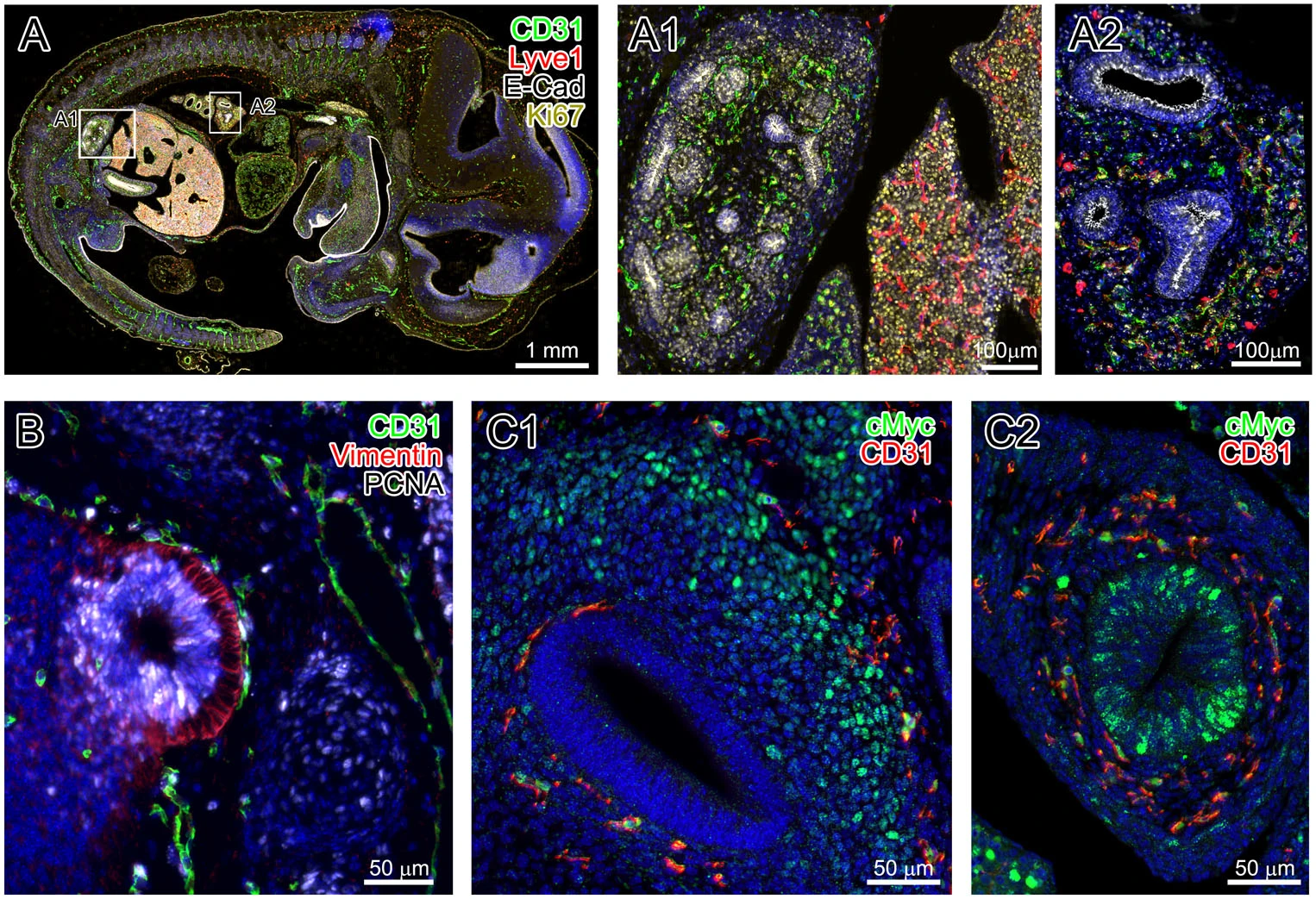
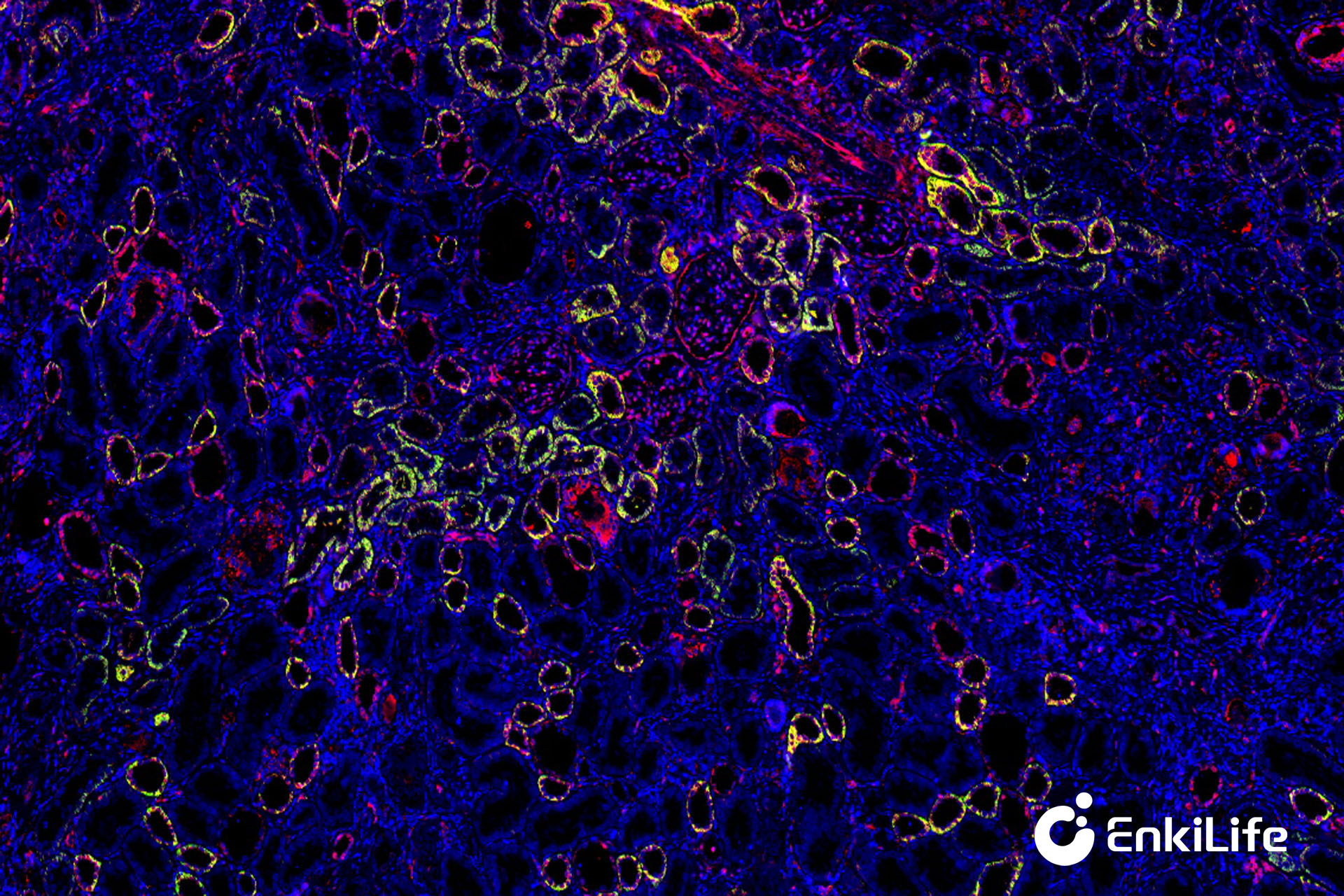
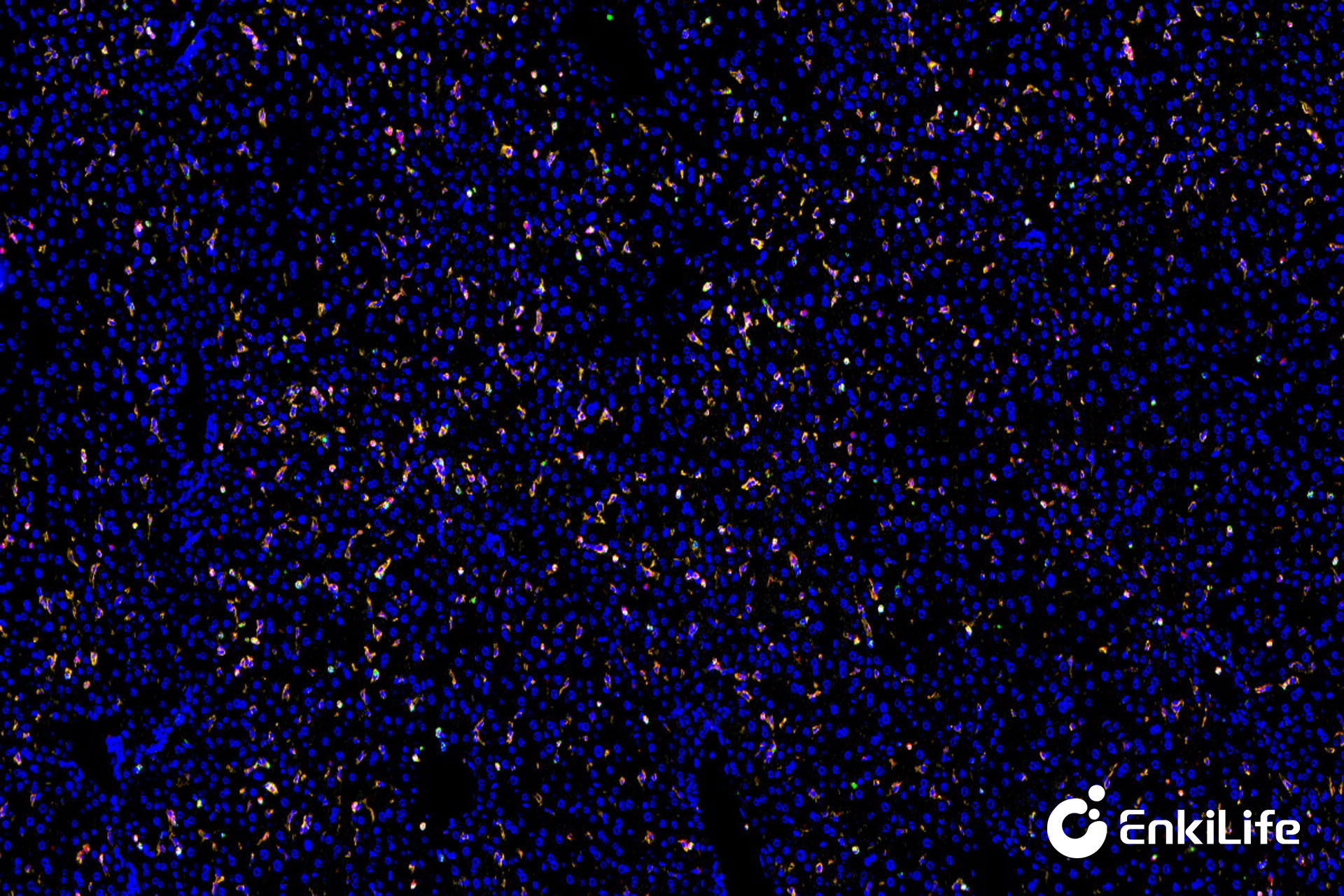
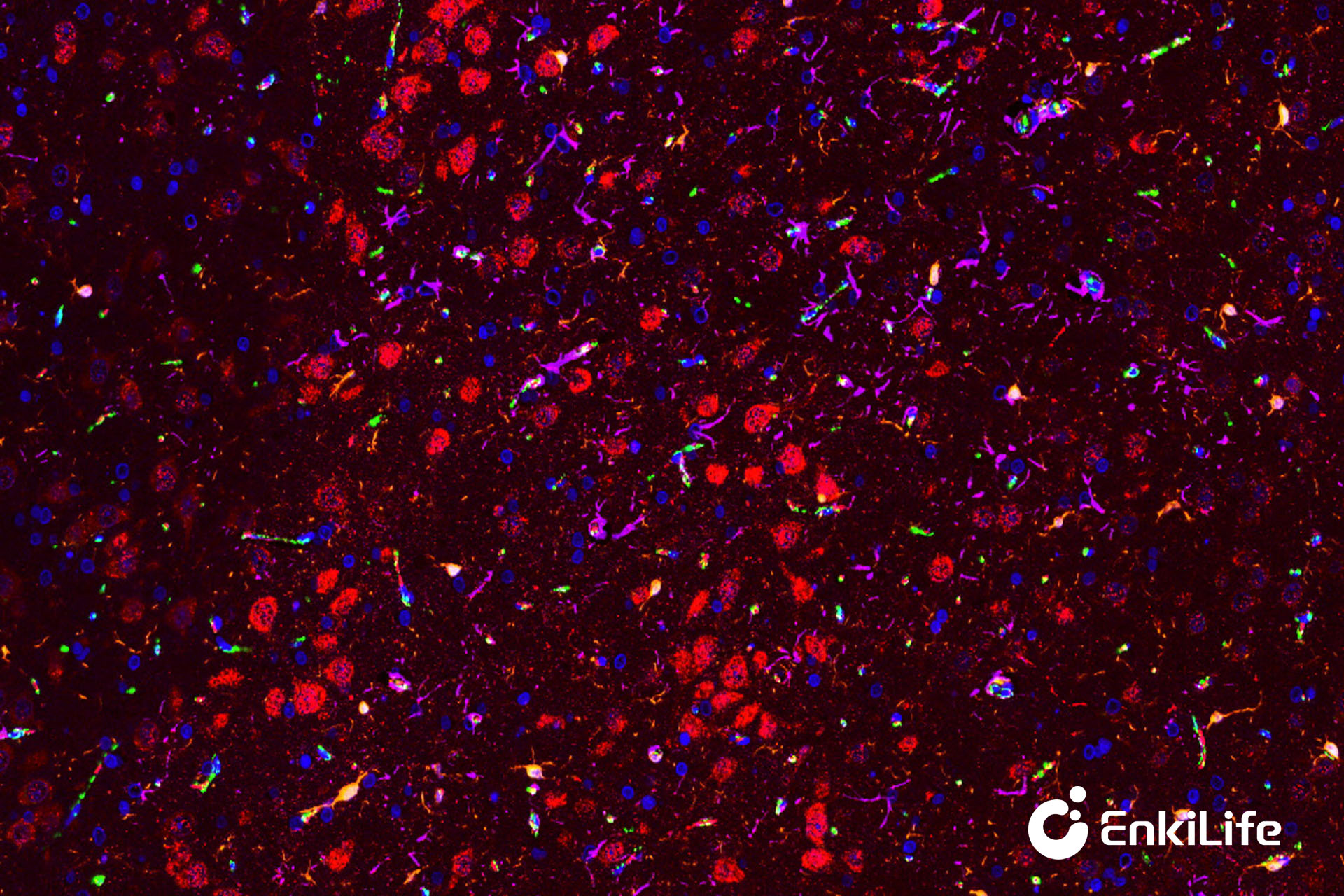
In recent years, across research fields such as tumor immunology, infection and inflammation, and neuroscience, an increasing number of reviewer comments have begun to feature a common keyword — "insufficient spatial information". Many researchers are puzzled: they have completed Western blot, qPCR, and even single-cell sequencing, yet are still asked to supplement spatial-level evidence. The core issue lies in an important transformation that modern life sciences are undergoing: the research focus is no longer just "whether something is expressed" or "how much is expressed", but "where it is expressed" and "who it coexists with". This cognitive leap from molecules to structures has gradually made spatial information a key dimension in the paper evaluation system, and TSA multiplex immunofluorescence technology has emerged as an important tool connecting molecular and tissue structures in this context.