FAQs about Plate Washing in ELISA Experiments
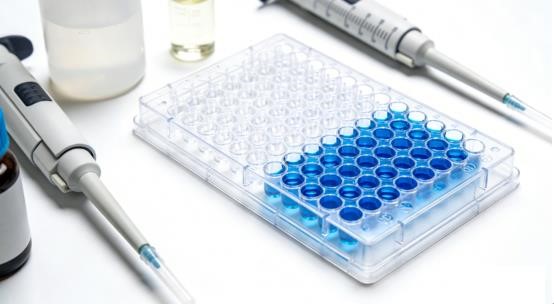
In Enzyme-Linked Immunosorbent Assay (ELISA), plate washing is a core critical step throughout the experiment. Its operational standardization directly affects the sensitivity, specificity, and accuracy of detection results, and is also an important link to avoid experimental errors and reduce false positive/negative results. Manual plate washing has become a widely used plate washing method in scientific research and clinical detection due to its flexible operation and adaptation to various laboratory scenarios. However, in actual operation, laboratory personnel often encounter problems such as high background, cross-contamination between wells, and abnormal color development due to improper control of operational details.