Cholesterol Metabolism: Biosynthesis, Uptake, and Homeostatic Regulation
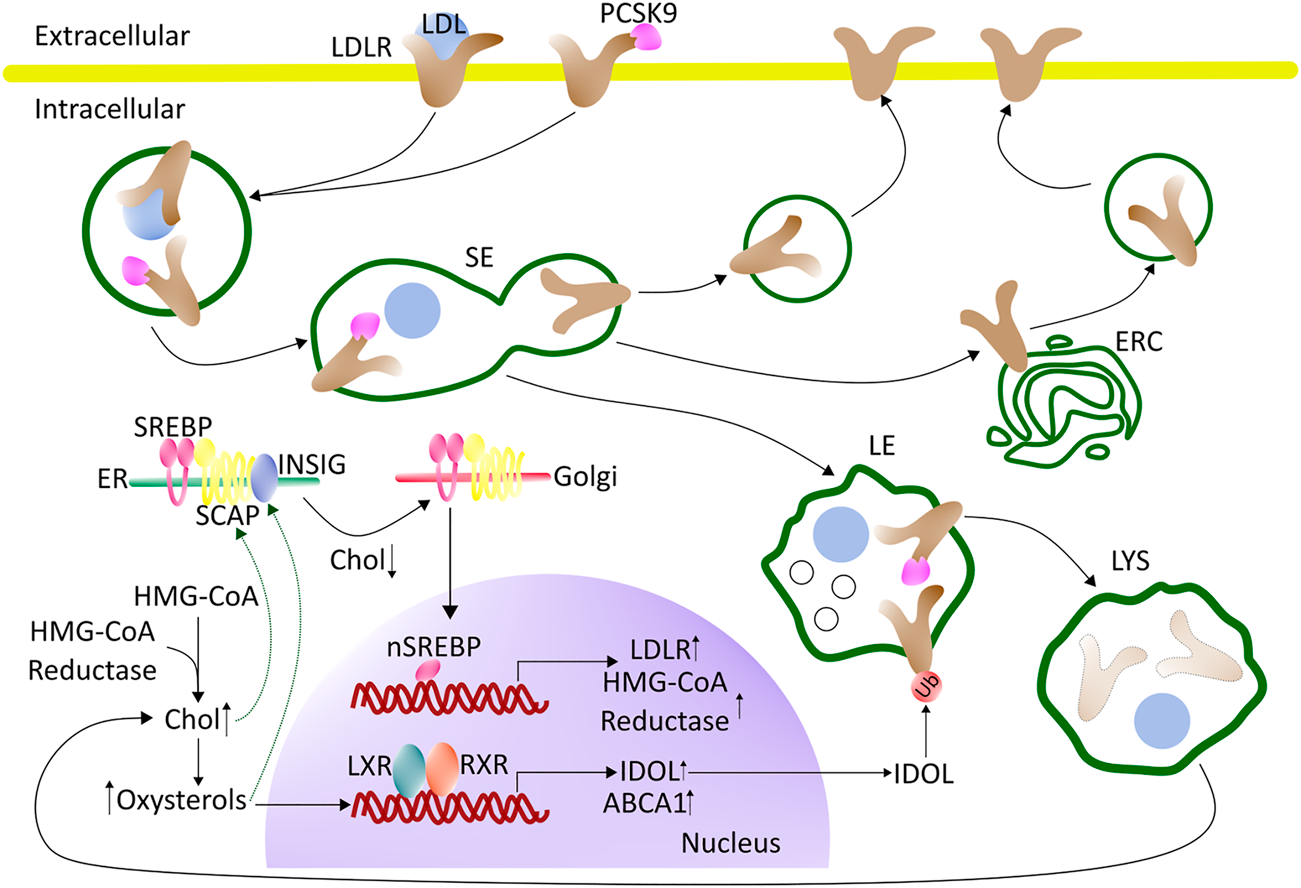
Cholesterol is an essential component of mammalian cell membranes and a precursor for numerous bioactive molecules. Cells maintain cholesterol homeostasis through de novo synthesis, lipoprotein uptake, esterification and storage, efflux, and metabolic conversion. Drawing on published research, this article summarizes the mevalonate pathway, low-density lipoprotein receptor (LDLR)-mediated endocytosis, SREBP2-dependent feedback regulation, and key proteins involved in cholesterol metabolism.