
HepG2 human liver cancer cells are a cell line derived from a 15-year-old white male hepatocellular carcinoma patient, with epithelioid morphology and adherent growth characteristics. These cells exhibit tightly connected small island like structures that proliferate in a sheet-like manner when cultured in vitro, and have a high proliferation rate. The HepG2 cell line is widely used in liver cancer research, drug metabolism, and toxicity assessment, and is an important tool for studying liver function and diseases.
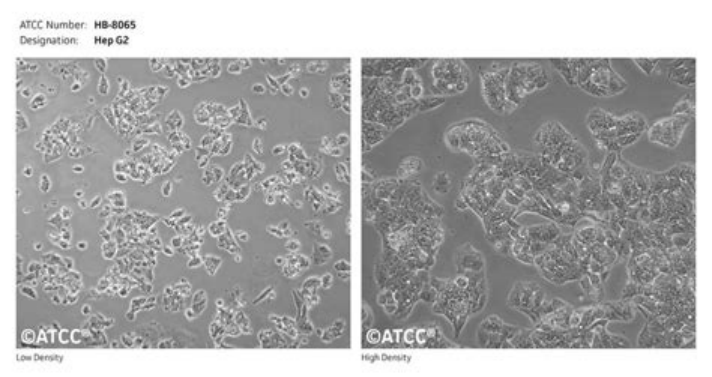
HepG2 cells express various liver specific proteins and receptors, such as alpha fetoprotein, albumin, alpha-2-macroglobulin, insulin receptors, and IGF II receptors. In addition, they also express 3-hydroxy-3-formyl CoA reductase and hepatic triglyceride lipase activity [2,3].
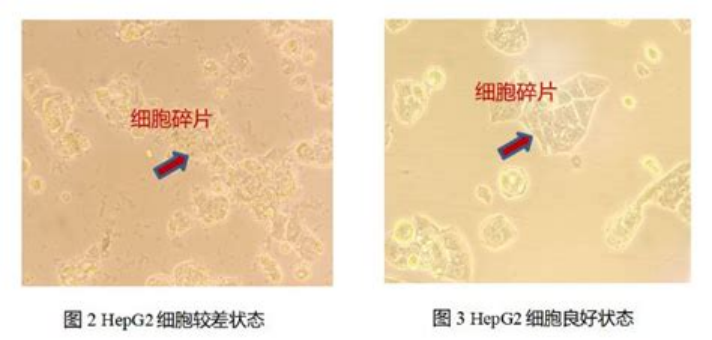
HepG2 cells require specific conditions during the cultivation process, such as using a culture medium containing 10% fetal bovine serum, and high requirements for the pH value and serum quality of the culture medium [3]. These cells are typically cultured in an environment of 37 ℃, 95% air, and 5% carbon dioxide.
Although HepG2 cells have many advantages, such as infinite proliferation, stable phenotype, and ease of manipulation, their metabolic function expression may be lower, and therefore may not be as good as primary liver cells in some metabolic studies [1]. However, due to its low cost, ease of handling, and accessibility, HepG2 cells remain an indispensable model in liver cancer research [1].
In summary, the HepG2 cell line plays an important role in liver cancer research, and its unique biological characteristics and wide range of applications make it an important tool for liver cancer research.
What is the origin and historical background of HepG2 cell line?
The origin and historical background of the HepG2 cell line can be traced back to 1975, when it was obtained from a liver tumor biopsy of a 15-year-old white Argentine boy. These tumor tissues were initially described as hepatocellular carcinoma (HCC), but later research found that they are actually a type of hepatoblastoma (HB) [12]. This misclassification led to confusion for 30 years, which was not corrected until Lopez Terrada et al. investigated the properties of HepG2 [12].
The HepG2 cell line is widely used in scientific research due to its unique functional characteristics, including the synthesis and secretion of plasma proteins, cholesterol and triglyceride metabolism, lipoprotein metabolism and transport, bile acid synthesis, and glycogen synthesis [15]. In addition, it has been used in fields such as drug metabolism, human toxicology, cancer research, liver disease, gene regulation mechanisms, and biomarker discovery [14].
Although the HepG2 cell line has many advantages such as almost infinite lifespan, stable phenotype, high availability, and ease of operation, it also has some drawbacks. For example, the expression of drug metabolizing enzymes and transporters is limited, and the expression abundance of most drug metabolizing CYP genes is low. After long-term cultivation, the protein expression levels of this cell line may vary, which may affect the reproducibility of experimental data [15].
What are the specific application cases of HepG2 cells in drug metabolism and toxicity assessment?
Specific application cases of HepG2 cells in drug metabolism and toxicity assessment include the following aspects:
1. Drug metabolism research:
HepG2 cells with enhanced expression of oCYP enzyme: By using adenovirus transduction technology, HepG2 cells can express specific cytochrome P450 (CYP) enzymes such as CYP2C9, CYP3A4, etc., which can enhance their ability to study drug metabolism. For example, in a study, HepG2 cells with enhanced CYP enzyme expression were used to evaluate changes in drug metabolites and predict drug interactions [18].
Research on drug metabolism pathways: HepG2 cells were used to study specific metabolic pathways, such as the metabolism of ethylenediamine. By controlling the oxidation of methionine in the cell line, the roles of primary and secondary metabolic enzymes in HepG2 cells can be inferred [17].
2. Toxicity assessment:
Drug induced liver injury (DILI): By using HepG2 cells to express single or multiple CYP enzymes, combined with high-throughput screening (HCS) strategy, metabolic dependent drug toxicity can be evaluated and susceptible metabolic phenotypes can be identified. For example, studies have shown that when HepG2 cells express high levels of CYP enzymes, their sensitivity to biologically activated drugs increases [20].
Hepatotoxicity testing of conventional sedatives and opioid drugs: HepG2/C3A cell line, a highly functional HepG2 clone derived cell line, can be used to test the hepatotoxicity of conventional sedatives and opioid drugs. These cell lines are capable of synthesizing most plasma proteins and have high physiological reactivity and metabolic markers, making them effective tools for predicting human liver toxicity [21].
Prediction of drug-induced liver injury: By treating five hepatotoxic drugs in WT-HepG2 cells and CYPS-UGT1A1 KI-HepG2 cells, it was found that the latter was more sensitive to drug-induced liver toxicity, thus verifying its application value in predicting drug-induced liver injury [18].
3. Other applications:
Research on the levels of drug metabolizing enzymes and their induction: The effects of different drugs, such as dimethyl sulfoxide, camellia extract, topiramate, etc., on HepG2 cells were studied, as well as their effects on cell survival rate, mitochondrial function, and glucose metabolism [16].
Drug metabolism and toxicity screening: HepG2 cells are widely used for drug metabolism and toxicity screening, especially in the initial screening of candidate drug compounds. For example, by detecting the inhibitory effect of specific compounds on CYP specific substrates and changes in cellular activity, the time-dependent inhibition and toxicity of compounds can be evaluated [19].
In summary, HepG2 cells have broad application prospects in drug metabolism and toxicity assessment due to their stability and ease of operation.
What are the specific differences in metabolic function expression between HepG2 cells and primary liver cells?
The differences in metabolic function expression between HepG2 cells and primary liver cells are mainly reflected in the following aspects:
1. Expression of drug metabolizing enzymes:
OCYP enzyme: The expression levels of enzymes such as CYP3A4 in HepG2 cells are significantly lower than those in primary liver cells, and these enzymes play a key role in drug metabolism [12]. For example, the expression of CYP3A4 in HepG2 cells is only 100-400 times that of liver cells [12].
OUGT family enzymes: The expression of UGT family enzymes (such as UGT1A1, UGT1A4, UGT1A6, UGT2B7, UGT2B15, and GSTM1) in HepG2 cells is either very low or completely absent, and these enzymes play a key role in metabolizing various anticancer agents [12].
OSULT enzyme: There was no significant difference in the concentration of SULT1A1 and SULT2A1 in liver cells and HepG2 cells, but the level of SULT2A1 decreased in 50% of HCC cases [12].
2. Expression of transporter proteins:
The level of BSEP protein in HepG2 cells is only 1/100 of that in liver cells [12].
OMRP transporter: MRP4 was not detected in HepG2 cells, while the levels of MRP3 and MRP6 were only 4-20 times higher than in liver cells [12].
3. Gene expression and metabolic pathways:
Gene expression differences: Many gene expression changes related to drug and foreign body metabolism in HepG2 cells may affect the accuracy and correlation of drug metabolism analysis [22]. For example, the expression levels of HSD17B6 and HSD17B13 genes in liver cell lines are lower than those in primary liver cells [22].
Lipid metabolism: Elevated levels of acetic acid, creatine, isoleucine, leucine, and phenylalanine in the HepG2 cell line indicate differences in lipid metabolism [12].
4. Cellular energy metabolism:
HepG2 cells differ from primary liver cells in terms of cellular energy metabolism, for example, HepG2 cells significantly reduce cholesterol secretion [23].
5. Other metabolic functions:
OHepG2 cells retain and amplify systemic changes related to endogenous and exogenous substance metabolism, which are similar to those observed in hepatoblastoma and hepatocellular carcinoma cells [12].
How to optimize the culture conditions of HepG2 cells to enhance their metabolic function expression?
To optimize the culture conditions of HepG2 cells and enhance their metabolic function expression, the following points can be considered:
1. Selection of culture medium and adjustment of composition:
It is common practice to use DMEM or RPMI-1640 medium containing 10% fetal bovine serum (FBS) and 1% penicillin streptomycin [26,29,31]. To further optimize metabolic function, it is possible to consider adding specific metabolic regulators such as glutamine and G418 [27].
2. Gas environment and temperature control:
Cells should be cultured in a moist environment at 37 ° C and 5% CO2 [26,31]. In addition, the control of hypoxia pretreatment and reoxygenation stages also has a significant impact on metabolic function, which can be achieved through modular incubators [27].
3. Three dimensional cultivation conditions:
Three dimensional culture conditions, such as using CVM chambers to culture at liquid-solid, liquid-liquid, and liquid gas interfaces, can significantly improve the liver function performance of HepG2 cells, including albumin secretion, urea synthesis, and CYP3A4 activity levels [34]. In addition, the optimization of the proportion of mixed hydrogels (such as PC4/Cultrex) also contributes to cell proliferation and differentiation [30].
4. Metabolite balance and measurement:
During the cultivation process, regularly measuring the concentration of extracellular metabolites such as glucose, lactate, amino acids, etc. can help understand the metabolic status of cells and perform quantitative analysis through methods such as high-throughput liquid chromatography [28].
5. Gene modification and drug treatment:
Gene modification of HepG2 cells, such as knocking out or inserting specific genes, can enhance their metabolic function. For example, HepG2 cells expressing TRET1 sucrose transporter and AfrLEA2 gene showed better performance in metabolic experiments [27]. In addition, drug treatment, such as the use of drugs like liraglutide, can significantly improve cellular metabolic function [24].
6. Cell density and passage conditions:
Passage culture is a routine procedure when the cell density reaches 80% -90%. In addition, adjusting the inoculation density and culture time, such as an inoculation density of 7.5x10 ^ 3 cells/well and a culture time of 7-8 days, can obtain high-quality multidirectional differentiated cells (MCTS), thereby improving the metabolic function of cells [25].
What are the limitations of HepG2 cell line in liver cancer research, and how can these limitations be overcome?
The HepG2 cell line has a wide range of applications in liver cancer research, but its limitations cannot be ignored. The following are the main limitations of HepG2 cell line in liver cancer research and their overcoming methods:
limitation
Compared with normal liver cells, HepG2 cell lines have lower expression levels of key metabolic enzymes in the liver and usually have lower metabolic capacity [32]. This limits the ability of HepG2 cell line to predict the metabolism and elimination of hepatotoxic compounds.
There are significant differences between HepG2 cell lines and normal liver cells, such as changes in the P450 gene. In addition, CTNNB1 gene mutations in HepG2 cell lines are associated with a high incidence of liver cancer, which are not common in normal liver cells [12].
Even samples from the same cell line show significant differences, which may be due to cross infection and mycoplasma infection [12]. This heterogeneity limits its predictive value as a cancer model.
The HepG2 cell line has insufficient expression of key proteins involved in substance metabolism, and lacks absorption transporters and first phase enzymes [12]. This indicates that caution should be exercised when using this cell line to predict the metabolism and elimination of foreign substances in liver cells.
HepG2 cells are morphologically similar to normal liver cells, but their mitochondria and endoplasmic reticulum are poorly developed, reduced in number, and structurally abnormal [12]. These structural differences may affect the function and metabolic activity of cells.
overcoming methods
To overcome the problem of low metabolic capacity in HepG2 cell line, other liver cancer cell lines such as HepaRG can be considered, which expresses more phase II metabolic enzymes and higher membrane transporter activity [32].
Establishing a three-dimensional spherical cell culture system, this method transforms cells into spherical shapes, creating a system that is closer to the physiological system. The metabolic activity of the 3D spherical HepG2 model, including cytochromes, is higher than that of two-dimensional cells and closer to normal liver cells [12].
By using gene editing techniques such as CRISPR-Cas9 to modify HepG2 cells, the expression levels of key metabolic enzymes are increased, making them more suitable as liver cell models [12].
Combining multiple liver cancer cell lines for research to reduce bias caused by a single cell line. For example, combining the research results of HepG2 and other liver cancer cell lines (such as Huh7) can provide more comprehensive data support [33].
On the basis of in vitro experiments, further validate the effectiveness of the compound in an in vivo model. For example, testing the efficacy of candidate drugs in a mouse liver cancer model to ensure the reliability of in vitro experimental results [33].
References
1. Advances in the study of metabolism of psychoactive substances based on mass spectrometry. Zhang Ganteng et al. [2023-01-31]
2. Human hepatocellular carcinoma cell Hep G2 [HEPG2]. Chinese Academy of Sciences Committee for the Preservation of Typical Culture Collection.
3. Human hepatocellular carcinoma Hep G2 [HEPG2] cell specification. Chinese Academy of Sciences Committee for the Preservation of Typical Culture Collection.
4. Study on antagonistic effect of berberine combined with fluorouracil on human hepatocellular carcinoma cell HepG2. CAI Jingbin et al.
5. Angiotensin II affects the proliferative capacity of HepG2 cells through AT1/Raf/ERK1/2 signaling pathway [J]. Chinese Journ,2018,26 (8): 601-606. [2018-08-20]
6. Study on the in vitro and in vivo anti-liver cancer effects of gemcitabine. Sun Jiayue et al. [2014-12-31]
7. Effect of total ginsenosides on HepG2 liver cancer tumor-bearing mice. Feng Duo et al. [2023-12-31]
8. Study on the apoptosis of human hepatocellular carcinoma cell line HepG2 induced by kineptine. Si Weike et al. [2001-06-30]
9. Veratramine suppresses human HepG2 liver cancer cell growth in vitro and in vivo by inducing autophagic cell death. [PMID: 32468056]
10. CpG oligodeoxynucleotides enhance chemosensitivity of 5-fluorouracil in HepG2 human hepatoma cells via downregulation of the antiapoptotic factors survivin and livin.
[PMID: 24161202]
11. In vitro siRNA-GAS5 interferes with the biological behavior of HepG2 hepatocellular carcinoma cells. Huang Haifeng et al. [2018-08-21]
12. The Curious Case of the HepG2 Cell Line: 40 Years of Expertise. [PMID: 34884942]
13. Estudio del metabolismo lipídico de ratas con trasplante renal y de células de hepatoma humano -HEPG2- bajo el tratamiento con distintos inmunodepresores.
14. Haplotype-resolved and integrated genome analysis of the cancer cell line HepG2. [PMID: 30864654]
15. Application of in vitro models in the study of metabolism of Traditional Chinese medicine. Wang Sha et al. [2020-01-26]
16. Pre-Clinical Assessment of the Potential Intrinsic Hepatotoxicity of Candidate Drugs. Jacob John van Tonder et al.
17. New insights into ethionamide metabolism: influence of oxidized methionine on its degradation path. [PMID: 28762043]
18. Generation of HepG2 Cells with High Expression of Multiple Drug-Metabolizing Enzymes for Drug Discovery Research Using a PITCh System. [PMID: 35626714]
19. Establishment of a novel hepatocyte model that expresses four cytochrome P450 genes stably via mammalian-derived artificial chromosome for pharmacokinetics and toxicity studies. [PMID: 29065189]
20. Customised in vitro model to detect human metabolism‑dependent idiosyncratic drug‑induced liver injury. [PMID: 28762043]
21. In Vitro Hepatotoxicity of Routinely Used Opioids and Sedative Drugs. [PMID: 38666919]
22. Comparative Transcriptomic Analysis of Three Common Liver Cell Lines. [PMID: 37240140]
23. Cholesterol-secreting and statin-responsive hepatocytes from human ES and iPS cells to model hepatic involvement in cardiovascular health. [PMID: 23874411]
24. A stem cell expressing GLP-1 and FGF21 and its use. China National Intellectual Property Administration, etc. [2023-01-05]
25. Pharmacokinetic and pharmacodynamic evaluation based on 3D multicellular tumor sphere model. Ao Luyao et al. [2020-12-31]
26. Mechanisms of 4-hydroxy-2-nonenal induced pro- and anti-apoptotic signaling. [PMID: 20565132]
27. Metabolic Preconditioning of Mammalian Cells: Approaches for Increasing Biostability after Desiccation.
28. Metabolic Flux Distribution during Defatting of Steatotic Human Hepatoma (HepG2) Cells. [PMID: 26742084]
29. Extracellular Citrate Treatment Induces HIF1α Degradation and Inhibits the Growth of Low-Glycolytic Hepatocellular Carcinoma under Hypoxia. [PMID: 35884416]
30. Bioinspired Sandcastle Worm-Derived Peptide-Based Hybrid Hydrogel for Promoting the Formation of Liver Spheroids. [PMID: 35323262]
31. Emodin, an Emerging Mycotoxin, Induces Endoplasmic Reticulum Stress-Related Hepatotoxicity through IRE1α-XBP1 Axis in HepG2 Cells. [PMID: 37505724]
32. Research status and progress of in vitro models of hepatotoxicity of exogenous compounds. Cao Xin et al. [2021-09-14]
33. Cellular Genome-Scale Metabolic Modeling Identifies New Potential Drug Targets Against Hepatocellular Carcinoma. [PMID: 36508280]
34 .Development of an oxygenation culture method for activating the liver-specific functions of HepG2 cells utilizing a collagen vitrigel membrane chamber. [ PMID: 26660096]