Biochemical Conjugation Labeling Technology and Its Comprehensive Applications in Immunology
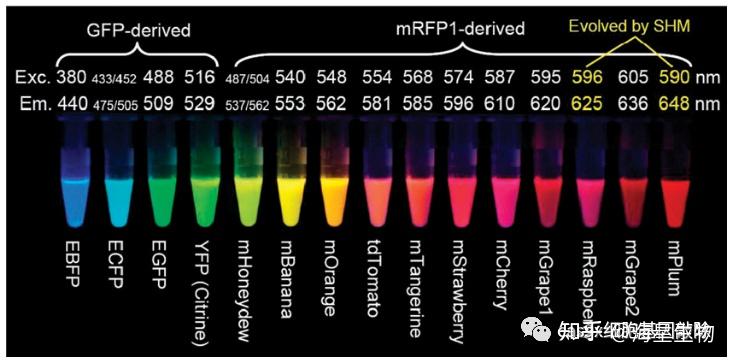
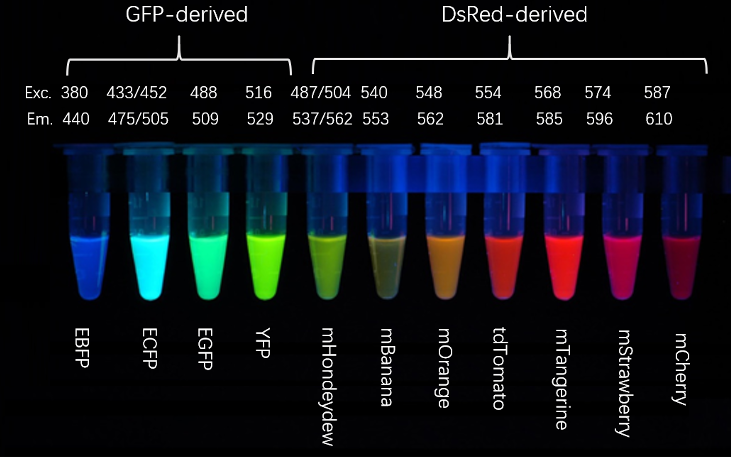
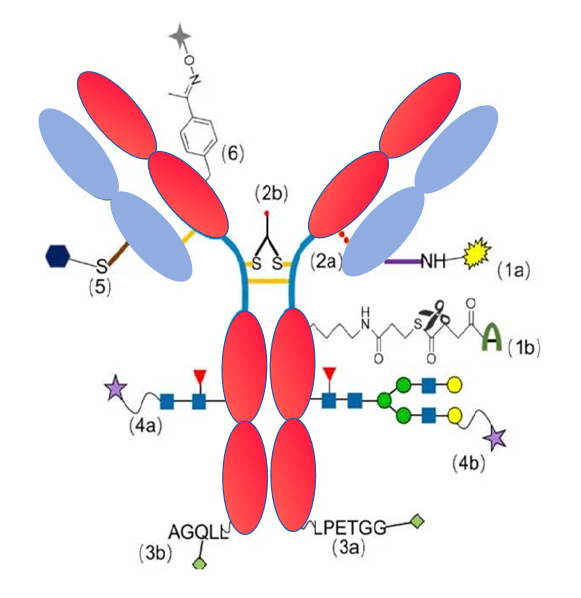
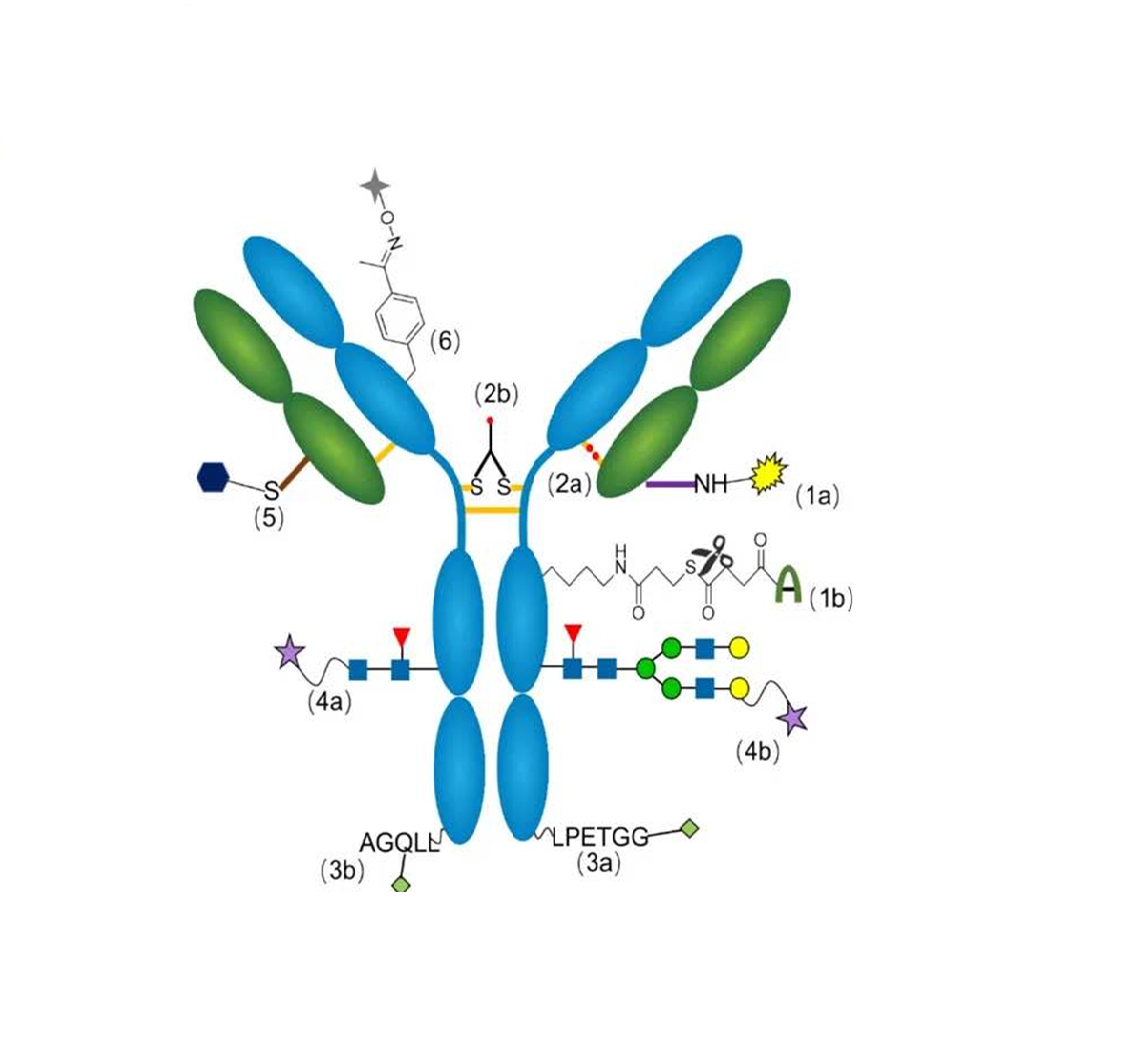
The essence of biochemical conjugation labeling lies in utilizing the specific affinity between biomolecules along with chemical conjugation reactions to covalently or non-covalently combine effector molecules with recognition capabilities with labels possessing detection, modification, and regulatory functions. Antibodies, functional proteins, peptides, nucleic acids, and small bioactive molecules serve as core effector carriers, playing a crucial role in target recognition and specific binding; various fluorescent agents, enzymes, and biofunctional modification materials serve as labels, responsible for signal output, performance optimization, and functional enhancement.