
Introduction to Pichia pastoris Recombinant Protein Expression System
Pichia pastoris, a methylotrophic yeast, has emerged as a highly efficient and widely used eukaryotic host for the production of recombinant proteins. This system combines the advantages of eukaryotic post-translational modifications with the rapid growth and scalability of yeast-based expression systems, making it particularly suitable for the production of complex proteins that require glycosylation and other modifications for proper folding and functionality.
Key Features of Pichia pastoris Expression System
Strong and Inducible Promoters
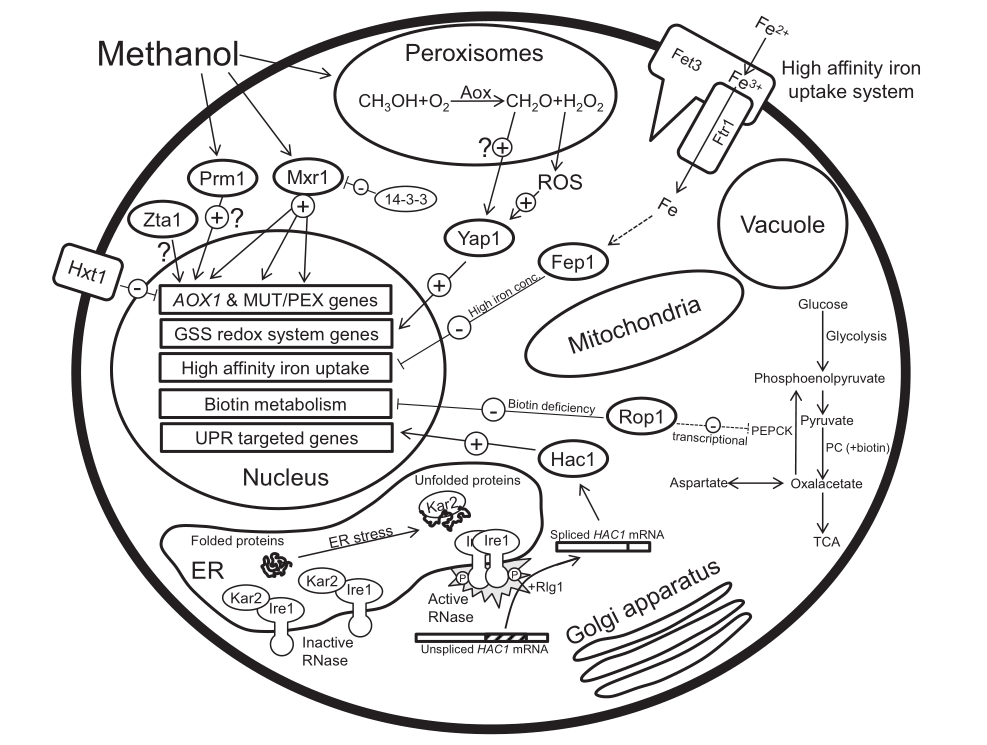
Pichia pastoris is renowned for its robust promoters, particularly the AOX1 promoter. This promoter is tightly regulated and highly inducible by methanol, allowing for precise control over gene expression. The AOX1 promoter enables high-level expression of recombinant proteins, especially when methanol is used as the carbon source during the induction phase.
This inducible system minimizes the metabolic burden on the yeast cells during the growth phase, ensuring optimal cell health and protein yield.
Enhanced Gene Copy Number
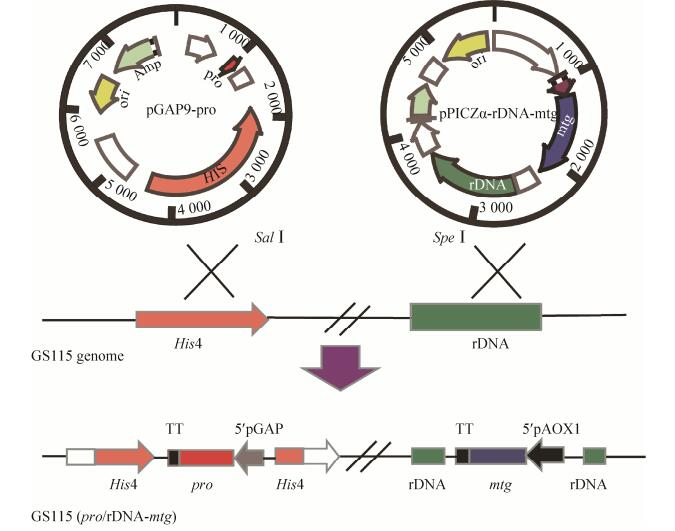
To further boost protein production levels, multiple gene copies can be integrated into the P. pastoris genome. This strategy increases the transcriptional activity and overall protein yield, making it possible to produce large quantities of recombinant proteins.
The integration of multiple gene copies is often achieved through targeted integration into specific genomic loci, ensuring stable and consistent expression.
Post-Translational Modifications
Pichia pastoris is capable of performing various post-translational modifications (PTMs) that are essential for protein functionality. These modifications include phosphorylation, acetylation, and disulfide bond formation.
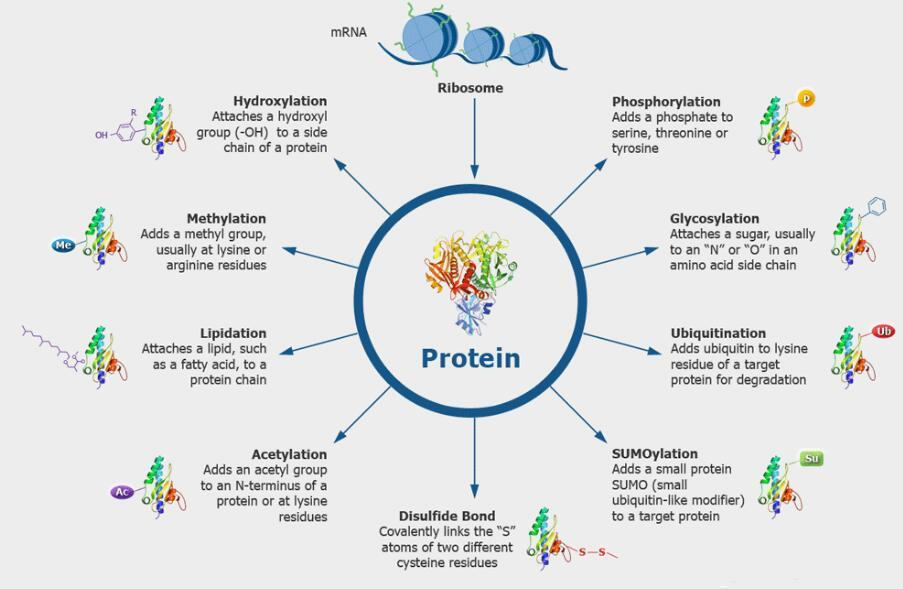
One of the most critical PTMs is glycosylation. P. pastoris naturally performs N-linked glycosylation, which is important for protein stability and function. However, the glycosylation patterns in P. pastoris differ from those in human cells, which can sometimes affect the functionality of the recombinant proteins.
Optimized Secretion Pathways
The P. pastoris expression system can be engineered to secrete recombinant proteins into the culture medium. This is achieved by incorporating signal peptides, such as the α-factor signal peptide from Saccharomyces cerevisiae, into the recombinant protein construct.
Secretion of the protein into the medium simplifies downstream purification processes, reducing the complexity and cost associated with protein recovery.
Engineered Yeast Strains
Advances in genetic engineering have led to the development of P. pastoris strains that are specifically optimized for protein expression. These strains have improved protein folding machinery, reduced proteolytic degradation, and enhanced glycosylation patterns.
For example, certain strains have been engineered to express human glycosylation enzymes, allowing for more accurate humanized glycosylation patterns. This is particularly important for proteins intended for medical and therapeutic applications, as it ensures that the glycosylation modification patterns closely resemble those of naturally expressed human proteins.
Fermentation Condition Optimization
Pichia pastoris has a unique ability to efficiently utilize methanol as a carbon source, which is a key feature of its expression system. The fermentation conditions, including the concentration of methanol and other nutrients, can be finely tuned to maximize protein yield.
Advanced bioreactor systems and fed-batch fermentation strategies are often employed to optimize growth and protein production, making P. pastoris a highly scalable system for industrial applications.
Challenges and Future Directions
Despite its many advantages, the P. pastoris expression system also faces some challenges. One of the main issues is hyperglycosylation, where the recombinant proteins may be over-glycosylated, potentially affecting their functionality. Additionally, while P. pastoris can perform many PTMs, it still lacks the full range of complex mammalian PTMs that are required for some highly specialized proteins.
To address these challenges, ongoing research is focused on further humanizing the glycosylation pathways in P. pastoris. This involves genetically engineering the yeast to express additional human glycosylation enzymes and modifying the native glycosylation pathways to produce more human-like glycosylation patterns.
The Pichia pastoris recombinant protein expression system is a powerful tool for producing complex eukaryotic proteins. Its combination of strong promoters, optimized secretion pathways, and the ability to perform essential PTMs make it a versatile and scalable platform. With continued advancements in genetic engineering and fermentation technology, P. pastoris is poised to play an even more significant role in the production of recombinant proteins for medical, industrial, and research applications.
References
1. Thomas Vogl and Anton Glieder. Regulation of Pichia pastoris promoters and its consequences for protein production. New Biotechnology, Volume 30,Number 4, May 2013. http://dx.doi.org/10.1016/j.nbt.2012.11.010
2. Krainer et al. Recombinant protein expression in Pichia pastoris strains with an engineered methanol utilization pathway. Microbial Cell Factories 2012, 11:22. http://www.microbialcellfactories.com/content/11/1/22
3. L. M. Damasceno et al. Protein secretion in Pichia pastoris and advances in protein production. Appl Microbiol Biotechnol (2012) 93:31–39. DOI 10.1007/s00253-011-3654-z
4. Geffen Y, Anand S, Akiyama Y, et al. Pan-cancer analysis of post-translational modifications reveals shared patterns of protein regulation. Cell. 2023;S0092-8674(23)00781-X. doi:10.1016/j.cell.2023.07.013
 | Dylan Z Dylan Z is a protein & antibody expert at EnkiLife, proficient in protein expression systems and antibody preparation techniques. He strives for excellence in technology and is committed to developing stable and user-friendly products for users. |