
Stem Cell Receptor | ELISA
1
Basic Concept of Stem Cells
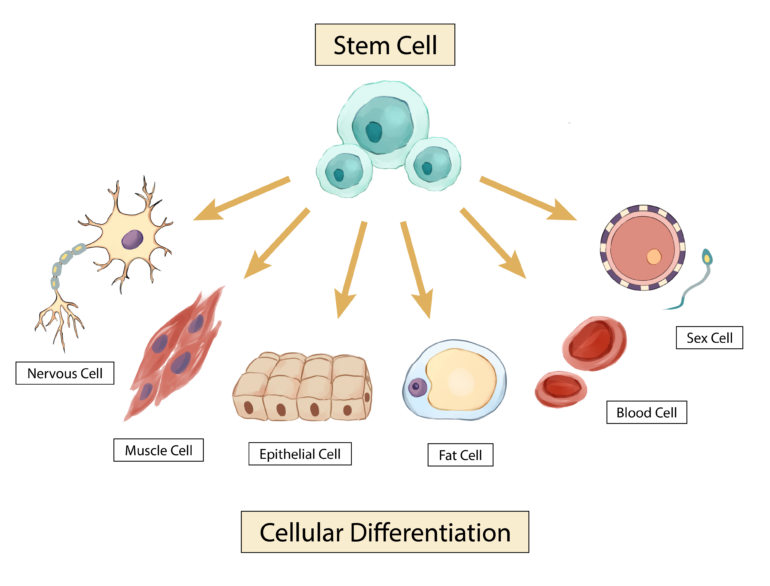
Stem cells represent a special cell population featuring self-renewal capacity, robust proliferative activity and multidirectional differentiation potential. Based on developmental origins, they are categorized into embryonic stem cells (ESCs) and adult stem cells (ASCs). Embryonic stem cells possess totipotency and unlimited proliferative capacity, capable of generating all somatic cell subtypes; this group includes embryonic stem cells and embryonic germ stem cells. Adult stem cell subtypes cover neural stem cells, hematopoietic stem cells, bone marrow mesenchymal stem cells and epidermal stem cells, among others.
Adult stem cells maintain self-renewal capacity and can differentiate into specialized tissue cells, defined as multipotent cell populations localized inside human tissues. In accordance with differentiation potency, stem cells are further divided into three tiers: totipotent stem cells, pluripotent stem cells and multipotent stem cells.
2
Definition and Application of Stem Cell Receptors
Stem cell receptors are specialized membrane proteins located on stem cell surfaces, which can selectively bind or anchor diverse extracellular signaling molecules. Distinct stem cell subtypes carry unique receptor profiles, making these surface proteins reliable biomarkers for distinguishing stem cell lineages and their subpopulations. This section summarizes representative receptor markers expressed on various stem cell groups.
3
Hematopoietic Stem Cell Surface Receptor Marker
The most widely recognized surface biomarkers for hematopoietic stem cells (HSCs) include CD34, CD133 and Sca-1. CD34 has remained a core research target since its initial discovery within a minor subset of human bone marrow cells. Cell fractions enriched via CD34 positive sorting extracted from bone marrow and peripheral blood exhibit the strongest hematopoietic regenerative activity, establishing CD34 as the canonical marker for HSCs.
CD133 is a 120 kDa glycosylated transmembrane protein containing five membrane-spanning segments, initially identified via the AC133 monoclonal antibody that targets the CD34-positive subpopulation of human hematopoietic stem cells. CD133 works synergistically with CD34 to optimize HSC isolation and ex vivo expansion protocols. Sca-1 is an 18 kDa phosphatidylinositol-anchored glycoprotein belonging to the Ly-6 antigen superfamily; Sca-1 positive hematopoietic stem cells can be isolated from adult bone marrow, fetal liver, peripheral blood and splenic tissue of mature laboratory animals.
CD133 is a 120 kDa glycosylated transmembrane protein containing five membrane-spanning segments, initially identified via the AC133 monoclonal antibody that targets the CD34-positive subpopulation of human hematopoietic stem cells. CD133 works synergistically with CD34 to optimize HSC isolation and ex vivo expansion protocols. Sca-1 is an 18 kDa phosphatidylinositol-anchored glycoprotein belonging to the Ly-6 antigen superfamily; Sca-1 positive hematopoietic stem cells can be isolated from adult bone marrow, fetal liver, peripheral blood and splenic tissue of mature laboratory animals.
4
Embryonic Stem Cell Surface Receptor Markers
Oct-4 and SSEA family proteins serve as standard biomarkers to identify embryonic stem cell populations. Oct-4 belongs to the POU transcription factor family, originally characterized as a DNA-binding factor that triggers target gene transcription by interacting with cis-regulatory elements. This factor is exclusively expressed in totipotent embryonic stem cells and germline cells, acting as a master transcriptional controller that maintains the pluripotent state of stem cell lines.
SSEA antigens were first discovered through three monoclonal antibodies that recognize glycolipid epitopes on cell membranes. SSEA-1 localizes on the surface of mouse pre-implantation embryos and teratoma stem cells, yet disappears once cells complete differentiation. SSEA-3 and SSEA-4 are biosynthesized during oogenesis and persist on the membrane surface of oocytes, fertilized zygotes and early blastomere cells.
SSEA antigens were first discovered through three monoclonal antibodies that recognize glycolipid epitopes on cell membranes. SSEA-1 localizes on the surface of mouse pre-implantation embryos and teratoma stem cells, yet disappears once cells complete differentiation. SSEA-3 and SSEA-4 are biosynthesized during oogenesis and persist on the membrane surface of oocytes, fertilized zygotes and early blastomere cells.
5
Common Research Targets of Stem Cell Receptors
Below lists widely studied receptor targets closely correlated with stem cell biological characteristics:
ADGRG1 C3AR1 CCR3 CCR5 CSF2RA CSF3R CXCR3 CXCR4 EphA2 ERBB2 ERBB3 F11R FGFR4 FLT3 FLT4 FZD9 GPR19 IGF1R IL2RA IL3RA IL6R IL7R KDR KIT NGFR PDGFRA PDGFRB PTPRC ROR1 SIRPA SIRPB1 TEK TFRC TLR1 TLR2 TLR4
Key note: Surface receptor markers enable accurate identification, isolation and in vitro culture of distinct stem cell subgroups.