FAQs for ELISA Pipetting & Incubation
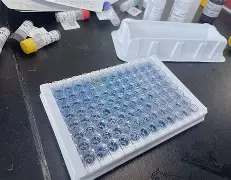
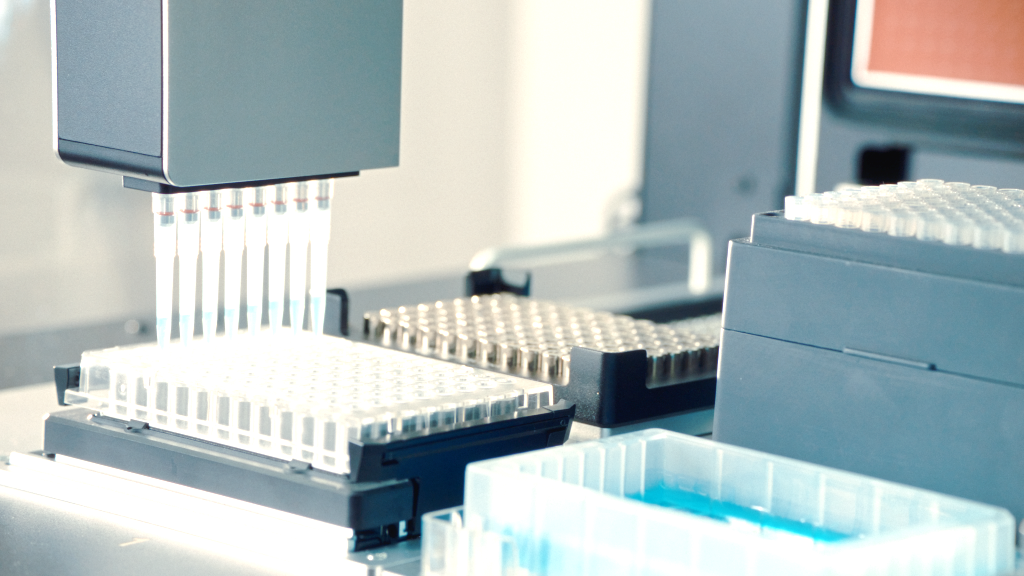
ELISA is the most commonly used quantitative detection technique in biological experiments and clinical testing. The accuracy and reproducibility of experimental results highly depend on standardized sample addition procedures and controlled incubation conditions. Most issues in ELISA experiments, such as false positives, false negatives, numerical deviations, and large inter-well differences, are not due to reagent quality but result from improper control of three core details: temperature, time, and light protection.