
KD-Validated TARBP2 Recombinant Rabbit Monoclonal Antibody
Size:20μL Price:$118
Size:50μL Price:$218
Size:100μL Price:$318
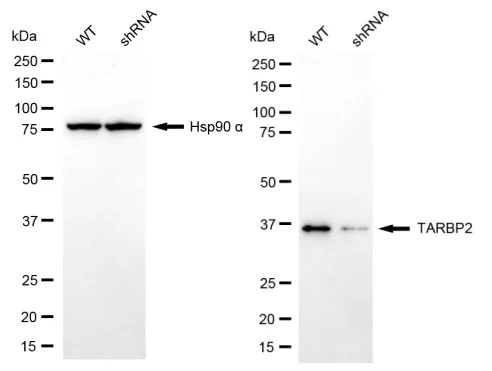
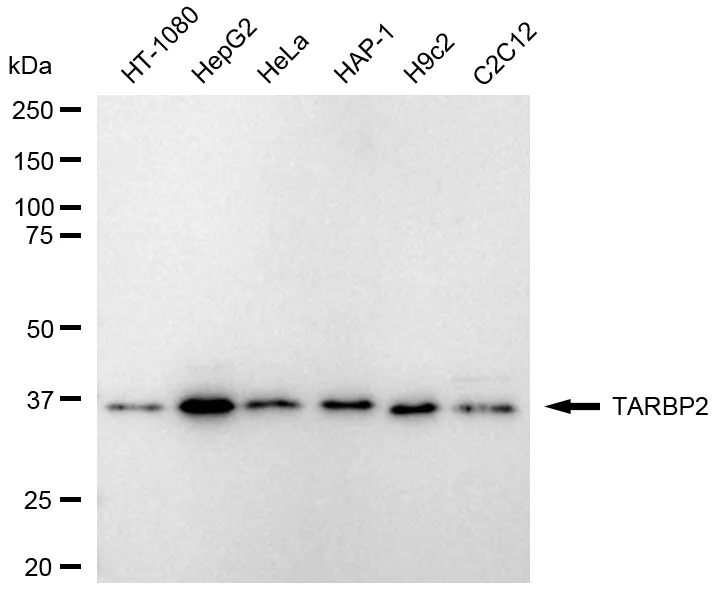
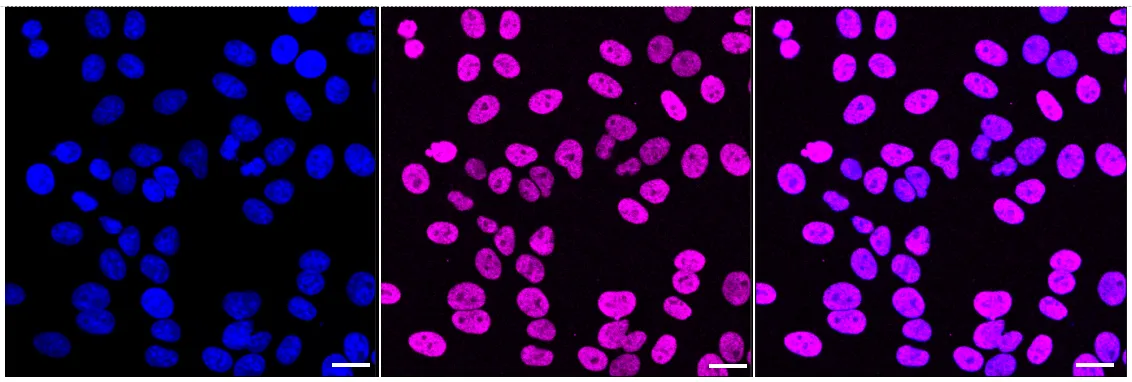
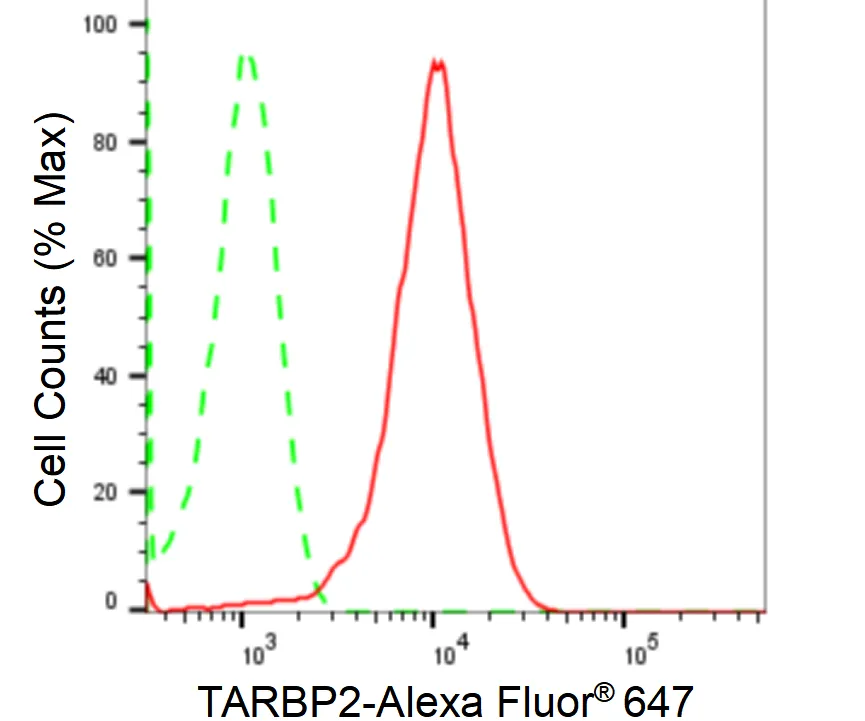
Application:WB,FCM,ICC

Reactivity:Human,Mouse,Rat
Conjugate:Unconjugated
Gene Name:TARBP2
SKU: KVAb00847
Detail

Summary

Production Name

KD-Validated TARBP2 Recombinant Rabbit Monoclonal Antibody

Description

KD-Validated antibody

Host

Rabbit

Application

WB,FCM,ICC

Reactivity

Human,Mouse,Rat


Performance

Conjugation

Unconjugated

Modification

Unmodified

Isotype

Rabbit IgG

Clonality

Rabbit mAb

Form

Liquid

Storage

Store at 4°C short term. Aliquot and store at -20°C long term. Avoid freeze/thaw cycles.

Buffer

Supplied in PBS (pH 7.4) containing 50% glycerol, and 0.02% sodium azide.

Purification

Affinity purification


Immunogen

Gene Name

TARBP2

Alternative Names

TARBP2; TARBP2 Subunit Of RISC Loading Complex; Trbp; TARBP2, RISC Loading Complex RNA Binding Subunit; RISC-Loading Complex Subunit TARBP2; TAR (HIV-1) RNA Binding Protein 2; Trans-Activation Responsive RNA-Binding Protein; Trans-Activation-Responsive RNA-Binding Protein; TAR (HIV) RNA-Binding Protein TRBP1; TAR (HIV) RNA-Binding Protein 2; TAR RNA Binding Protein 2; TAR RNA-Binding Protein 2; TRBP1; TRBP2; LOQS; TRBP

Gene ID

6895

SwissProt ID

Q15633


Application

Dilution Ratio

WB 1:1,000-1:5,000; FC 1:200-1:2,000; ICC 1:100-1:1,000

Molecular Weight

Calculated MW: 39.0kDa


Background

HIV-1, the causative agent of acquired immunodeficiency syndrome (AIDS), contains an RNA genome that produces a chromosomally integrated DNA during the replicative cycle. Activation of HIV-1 gene expression by the transactivator Tat is dependent on an RNA regulatory element (TAR) located downstream of the transcription initiation site. The protein encoded by this gene binds between the bulge and the loop of the HIV-1 TAR RNA regulatory element and activates HIV-1 gene expression in synergy with the viral Tat protein. Alternative splicing results in multiple transcript variants encoding different isoforms. This gene also has a pseudogene. [provided by RefSeq, Jul 2008]


Research Area

Microbiology,Epigenetics and Nuclear Signaling

   💬 WhatsApp