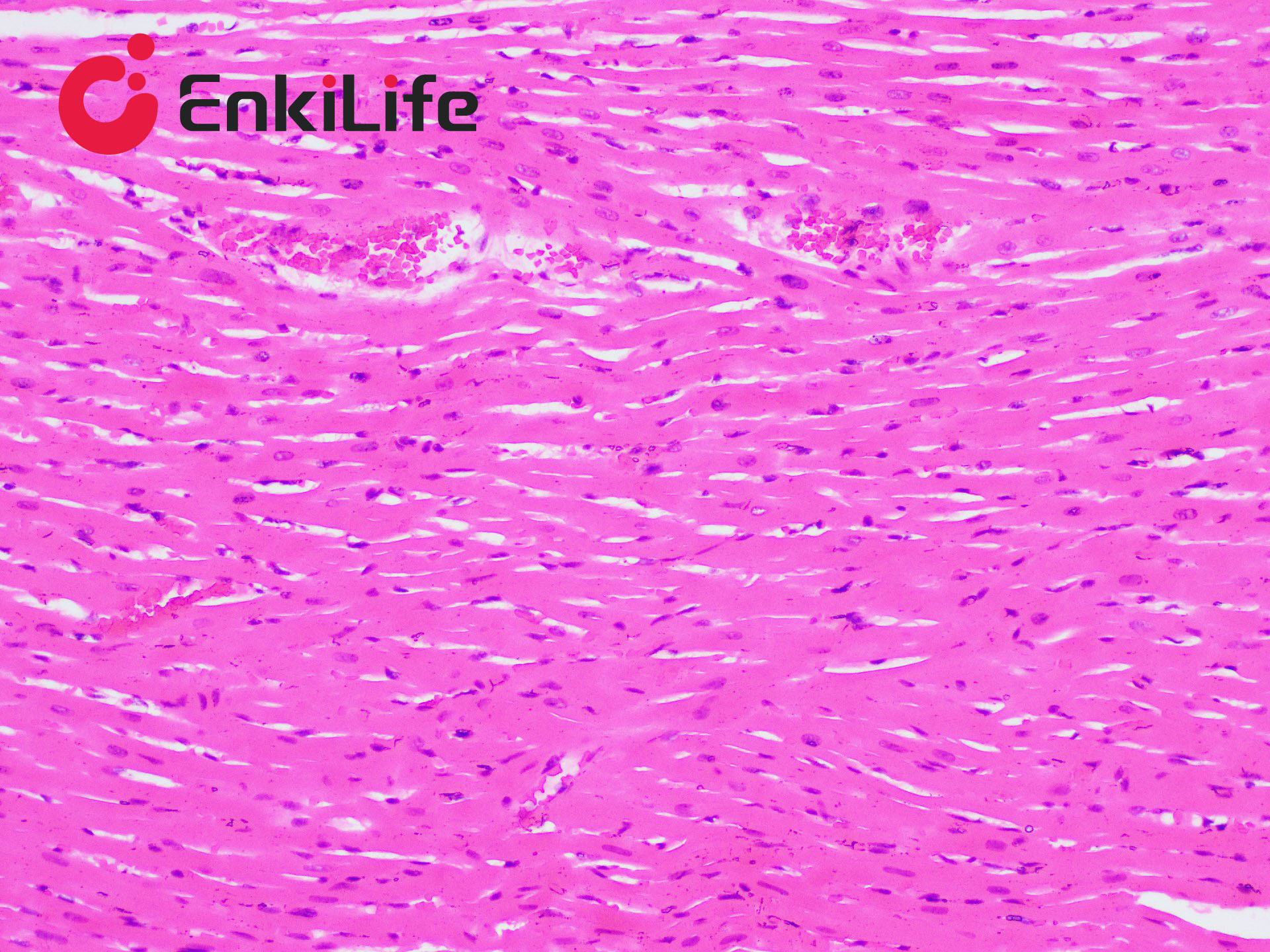
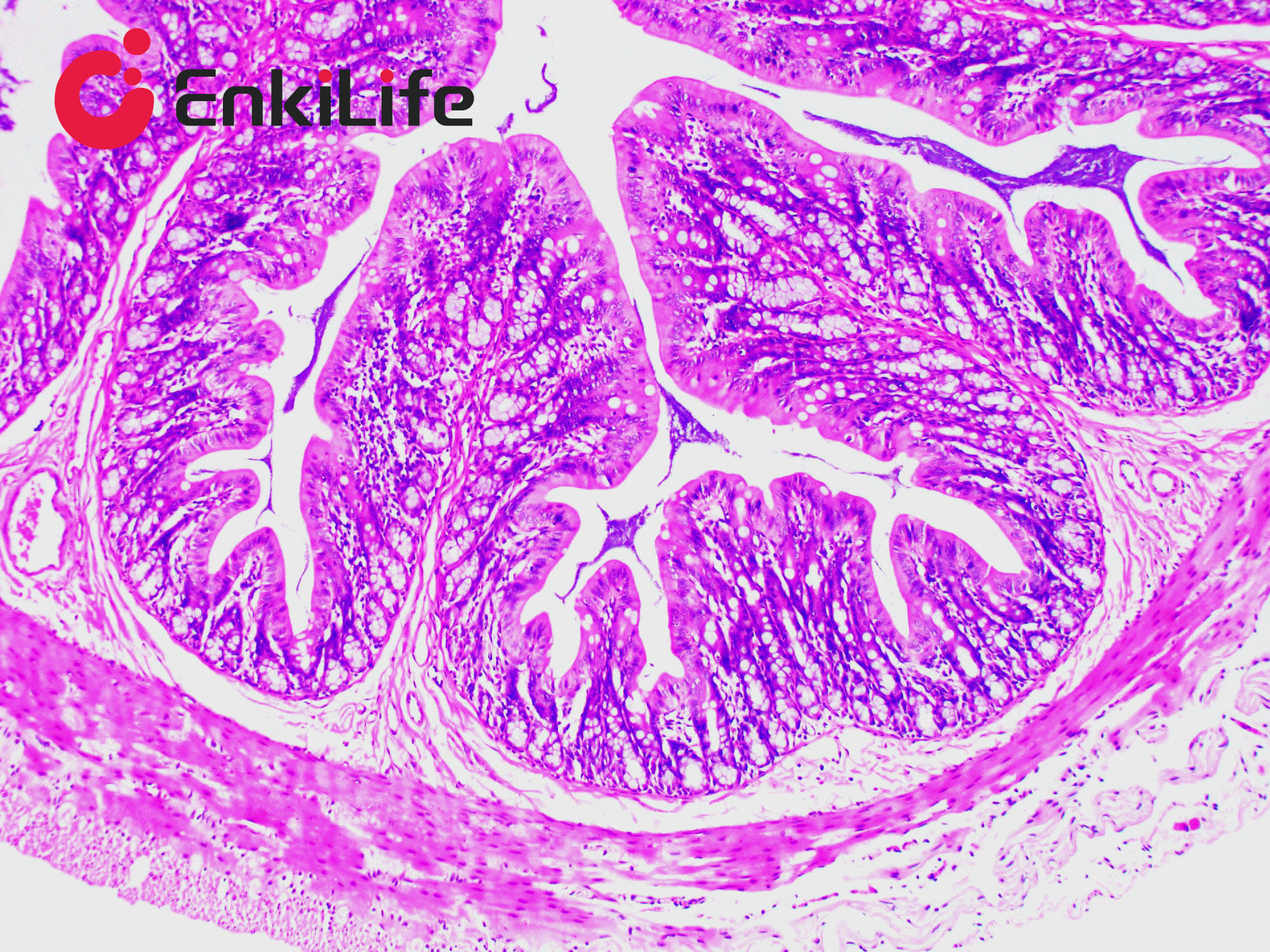
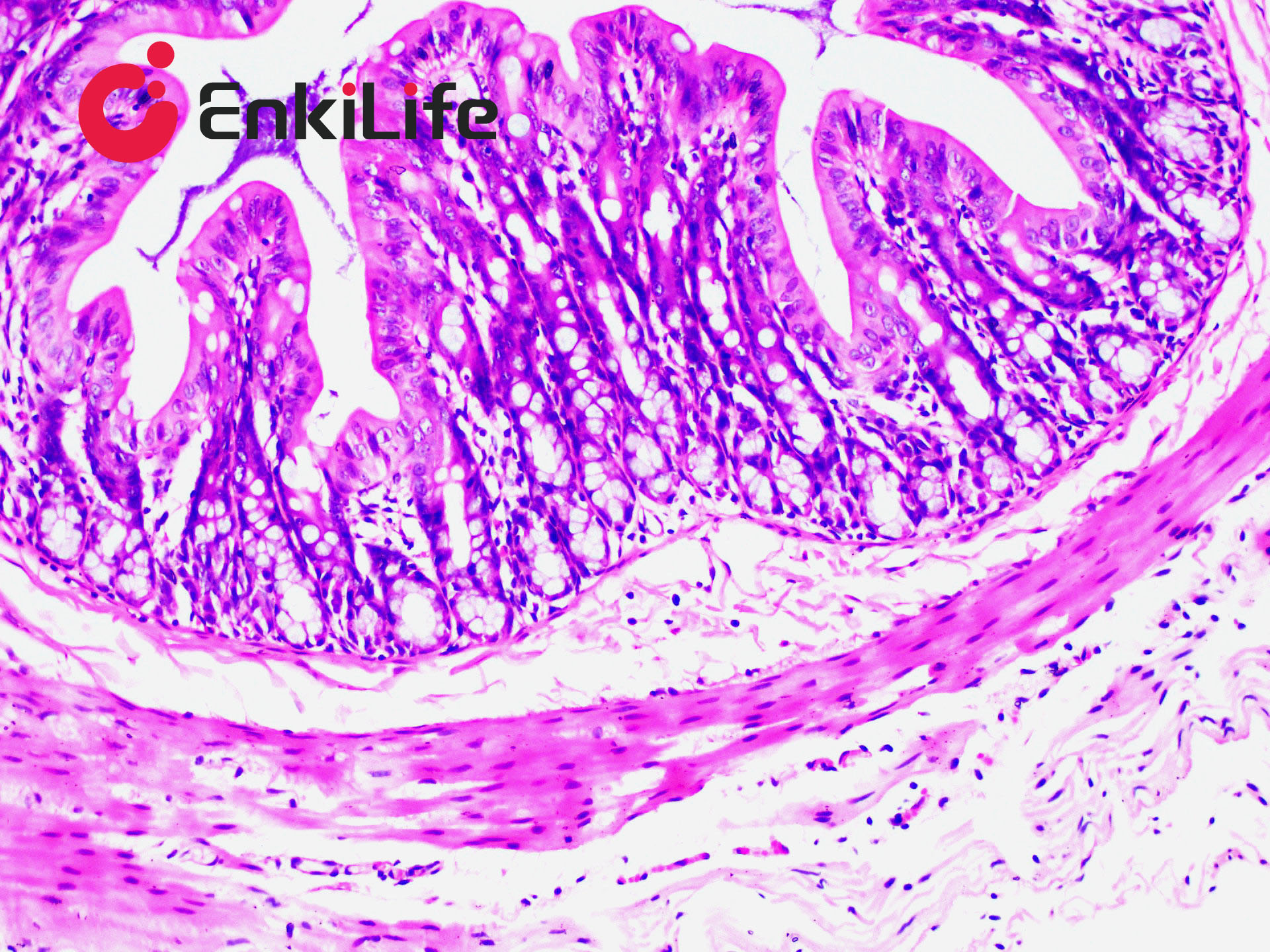
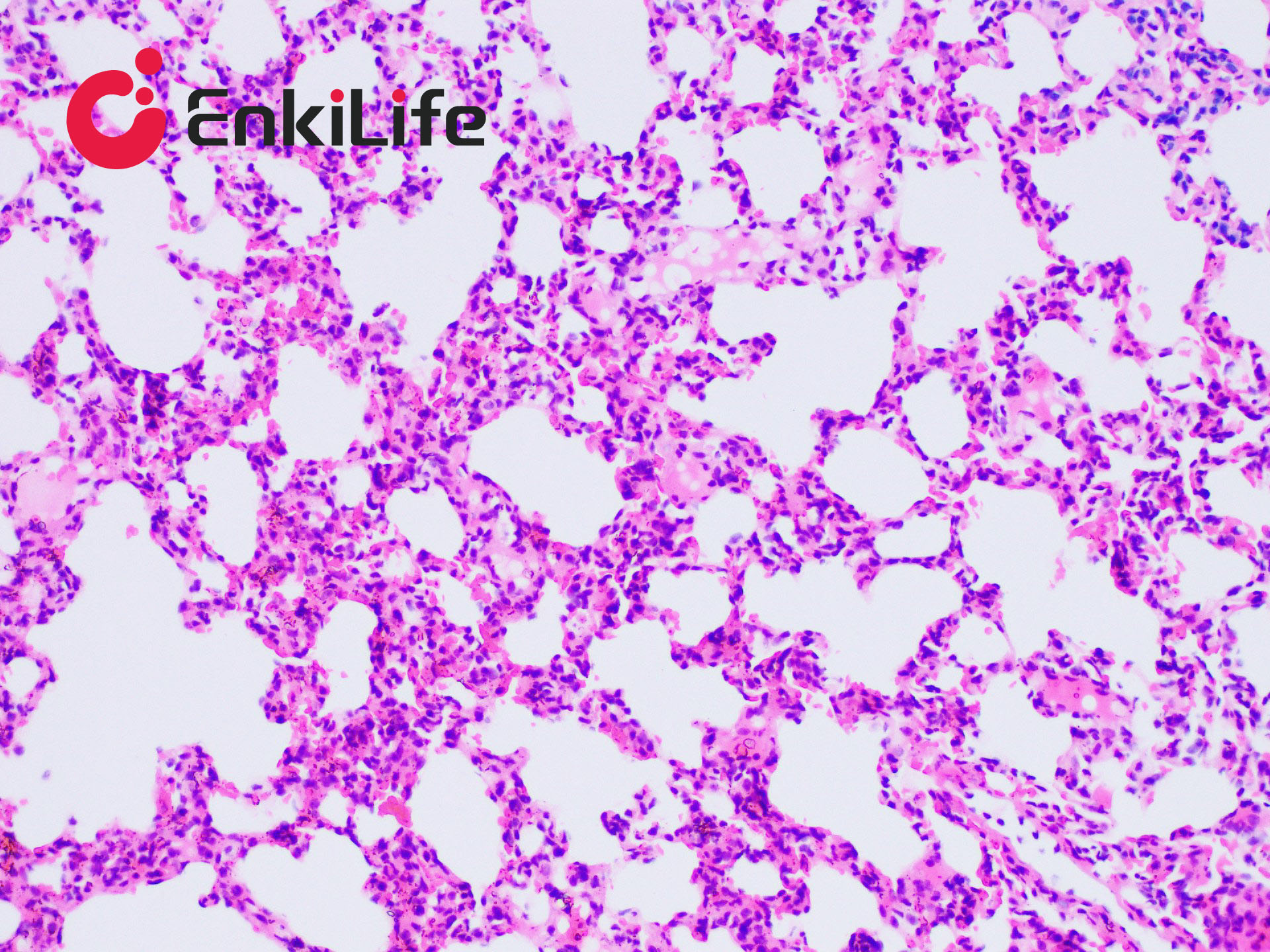
Product Introduction
Muscle fibers are components of muscular tissue composed of muscle cells. Based on morphological and functional characteristics, muscle fibers can be classified into smooth muscle (also known as non-striated muscle), skeletal muscle, and cardiac muscle. There are various staining methods for muscle fibers, such as the ponceau method, aniline blue method, and phosphotungstic acid hematoxylin method. When Mallory originally developed the phosphotungstic acid hematoxylin staining solution, there were several variations of PTAH methods. Around 1900, Mallory combined phosphotungstic acid aqueous solution with hematoxylin stain and found that this method worked well for muscle fiber staining. The widely used method today is Mallory’s phosphotungstic acid hematoxylin staining solution (PTAH natural oxidation method). Hematoxylin can also be chemically oxidized using PTAH, but the resulting solution has a shorter shelf life and its staining capacity tends to decline. Although natural oxidation takes more time, the resulting hematoxylin can be used for over 2 years without significant loss of staining capacity, making it an ideal staining solution. It is suitable for CNS tissue, general histological structures, and tissues fixed with all standard fixatives. Staining time may vary depending on the preparation method, fixative used, and tissue structure being demonstrated.
EnkiLife Mallory PTAH staining solution (chemical oxidation method) is mainly composed of PTAH oxidizer, oxalic acid solution, and Mallory PTAH staining solution. The Mallory PTAH staining solution is chemically oxidized, offering good staining capacity in a short time, but it should not be stored for long periods. It is commonly used to demonstrate the cross-striations of striated muscle and is clinically applied in the diagnosis of rhabdomyosarcoma. The histological morphology of rhabdomyosarcoma is highly variable and difficult to distinguish from undifferentiated mesenchymal tumors. After phosphotungstic acid hematoxylin staining, if blue cross-striations are observed in the cytoplasm of tumor cells, it indicates rhabdomyoid differentiation.
Basic Information
Product name | Mallory's Phosphotungstic Acid-Hematoxylin (PTAH) Staining Kit, Chemical Oxidation Method |
Sizes | 100 mL |
Storage | RT,keep away from light |
Shipping | RT |
Validity | 6 months |
Product Components
Components | 3x 100mL | |
Reagent (A): PTAH oxidant | A1: PTAH Oxidizer A | 50 mL |
A2: PTAH Oxidizer B | 50 mL | |
Before use, mix A1 and A2 in equal parts to prepare PTAH oxidizer. Prepare fresh and use immediately. | ||
Reagent (B): Oxalic Acid Solution | 100 mL | |
Reagent (C): Mallory PTAH Staining Solution (Chemical Oxidation Method) | 100 mL | |
Notes
1. If the blue cross-striations are not clearly visible or appear bright red, it may indicate insufficient oxidation or over-oxidation. Replace or freshly prepare the staining solution as needed.
2. Do not rinse with water after Mallory PTAH staining. When washing with 95% ethanol, proceed quickly, as prolonged water or ethanol washing may remove the stain.
3. Mallory PTAH staining solution is a progressive stain. Do not over-stain. After 24 h of staining, remove the slide and check the staining intensity under a microscope.
4. For safety and health, wear lab coats and disposable gloves during operation.