

Product Introduction
Lipids are a general term for neutral fats, lipoids, and their derivatives. Their common physical property is insolubility in water and solubility in organic solvents (e.g., ethanol, ether). Human fat mainly includes: Storage fat, such as neutral fat, primarily distributed in subcutaneous tissue, kidneys, pancreas, etc.; Structural fat, such as lipoids (phospholipids, glycolipids, cholesterol), mainly found intracellularly. Neutral fat is composed of three fatty acid molecules and one glycerol molecule. It is neutral and serves as one form of energy storage, releasing energy upon oxidation. Traditional neutral fat staining methods include Sudan II, Sudan III, Sudan IV, Sudan Black B, and Oil Red O. Recent studies have shown that the azo dye Oil Red O is more suitable for fat staining. Oil Red O is a strong lipid solvent and lipophilic dye, easily forming small lipid droplets with triglycerides, though its affinity for phospholipids is slightly weaker. The staining mechanism is generally considered a physical dissolution or adsorption process. The dye dissolves in lipids within frozen sections more readily than in the original solvent, thus transferring from the organic solvent into the lipid, resulting in fat staining.
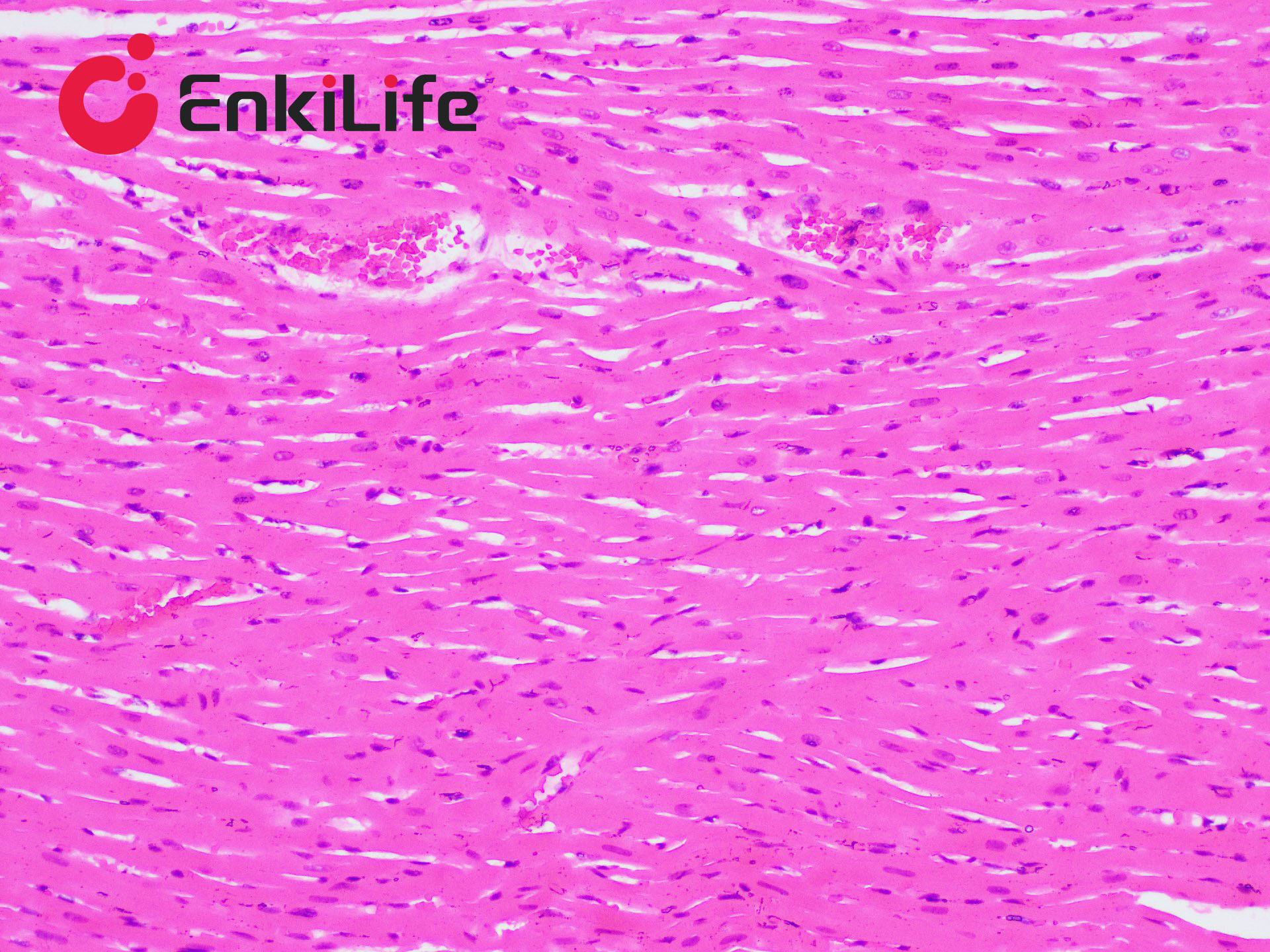
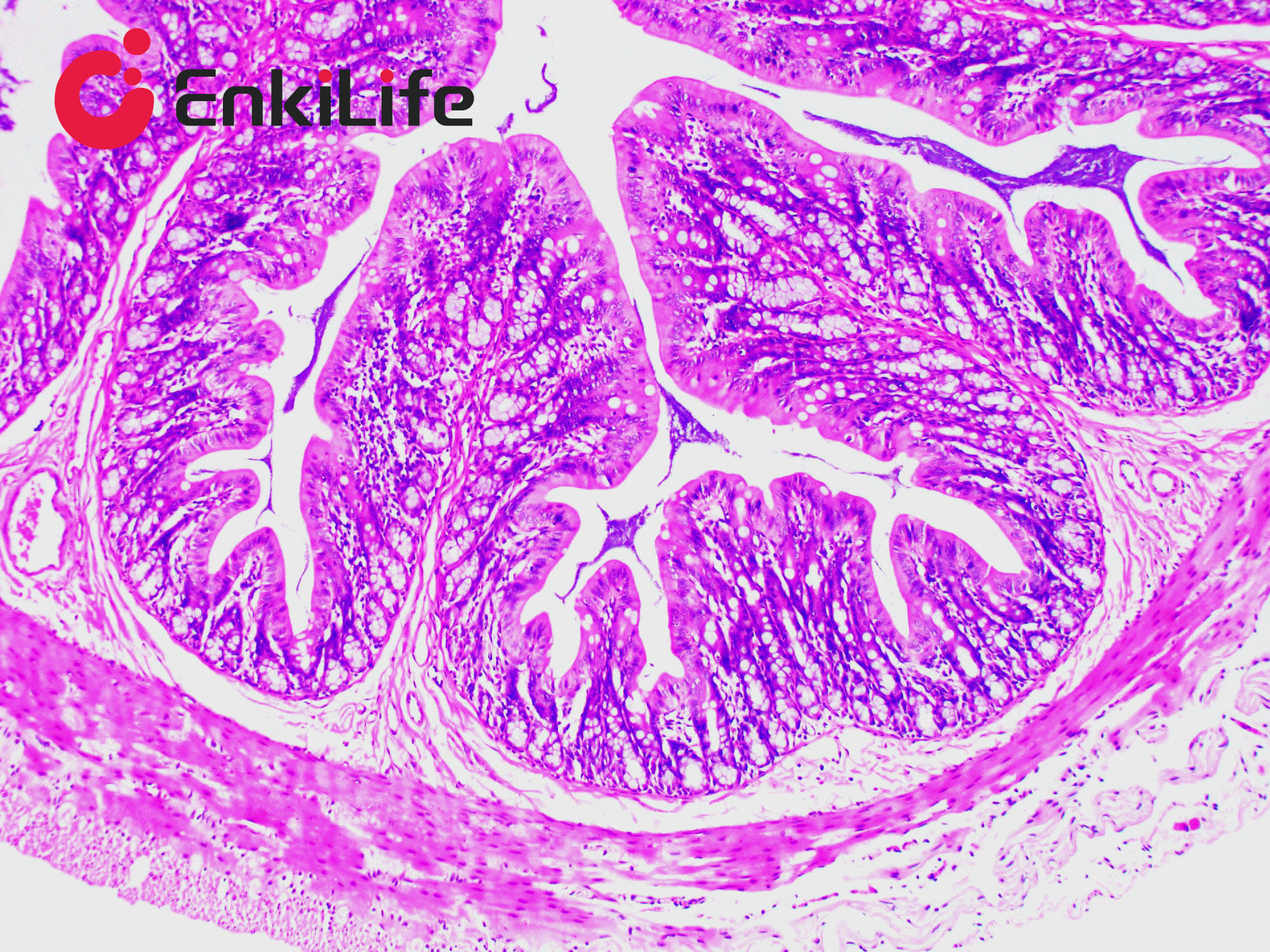
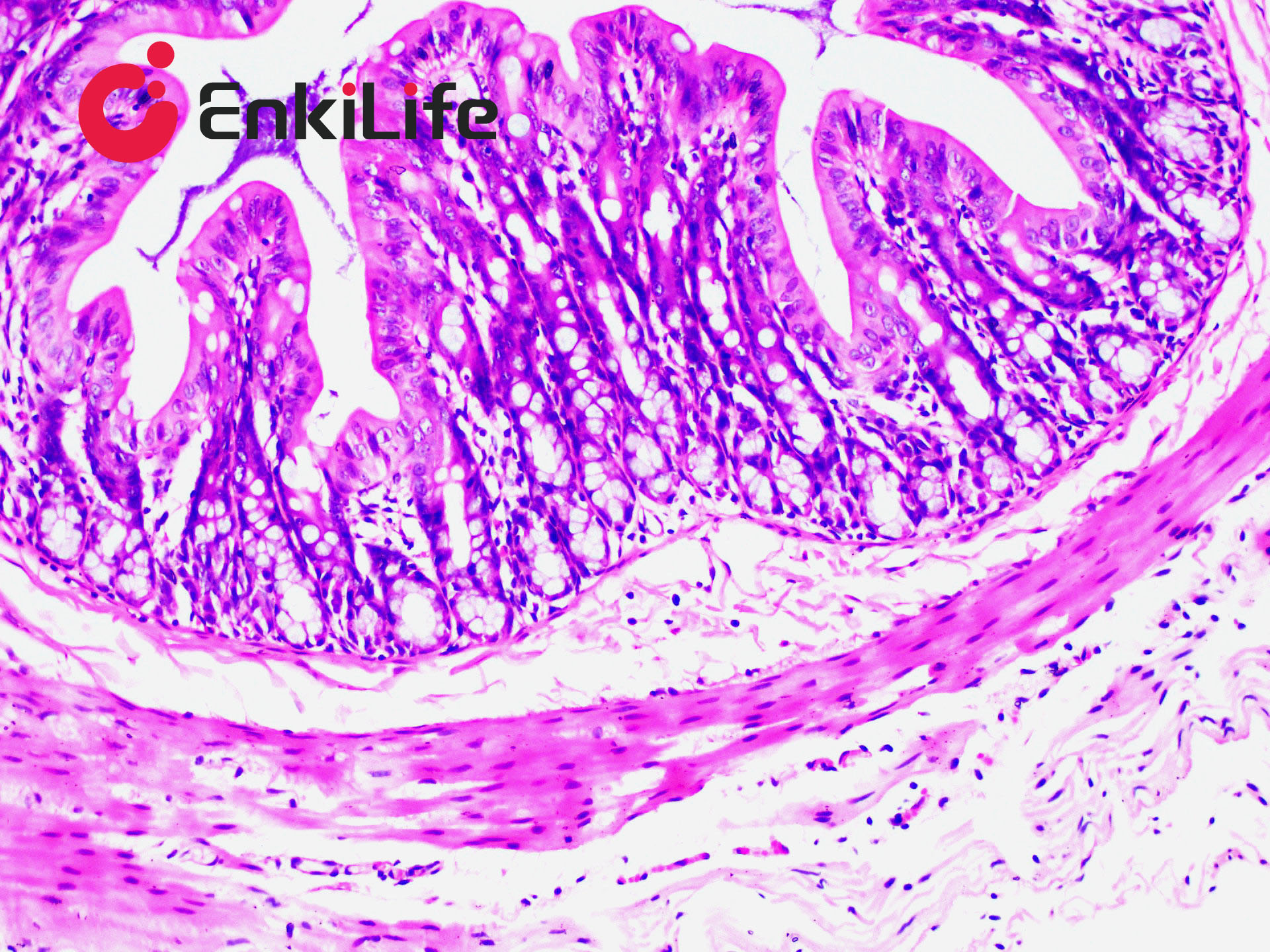
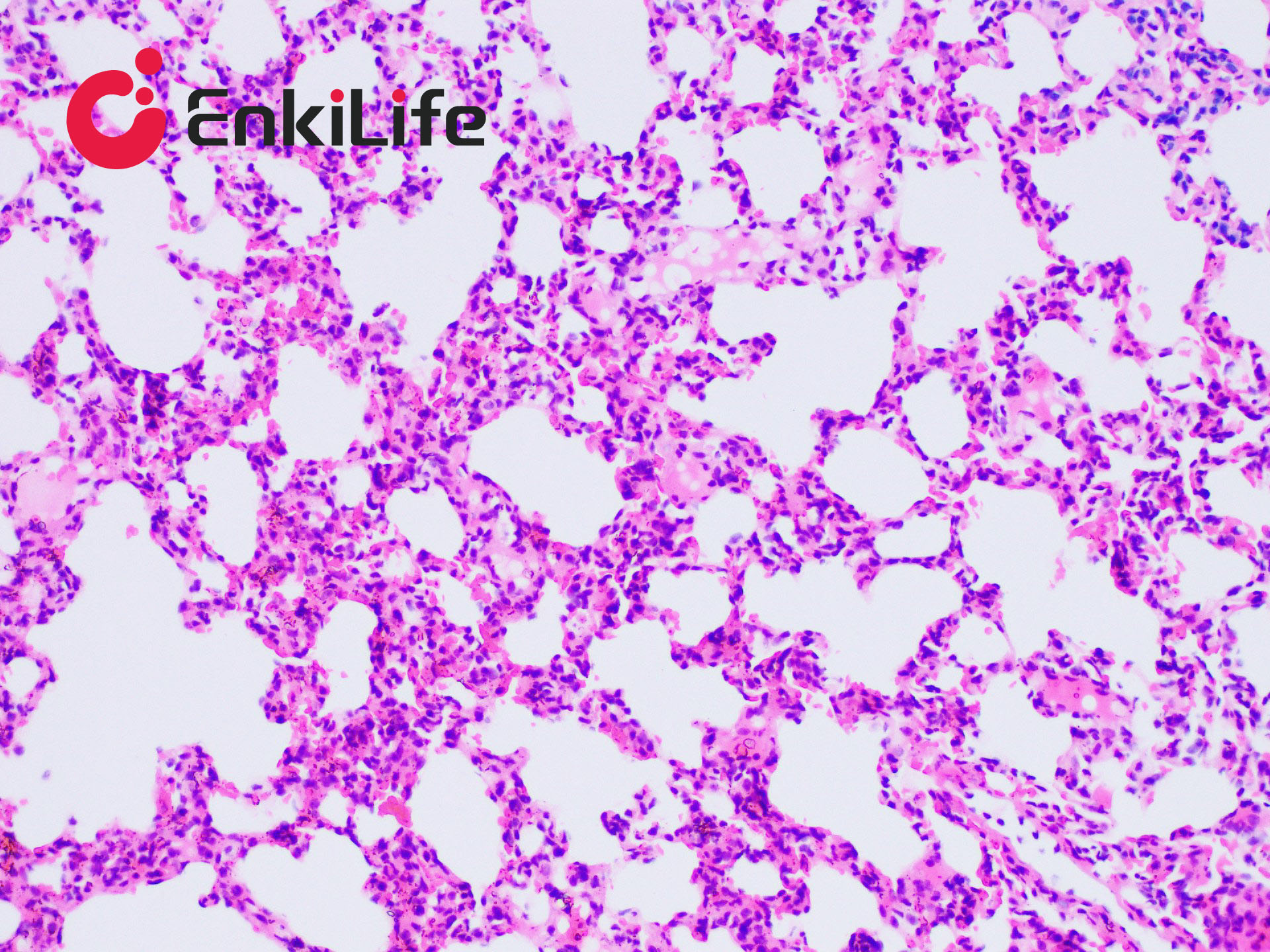
EnkiLife Modified Oil Red O Staining Solution is primarily used to demonstrate fatty degeneration and abnormal lipid deposition in tissues and organs, commonly seen in fatty degeneration of parenchymal organs such as liver, kidney, and heart, where numerous neutral fat droplets appear intracellularly. It is also used for the identification and diagnosis of tumors in adipose tissue and their nature. Positive fat staining appears orange-yellow to red, with exact color depending on lipid concentration.
Basic Information
Product name | Modified Oil Red O Staining Kit |
Sizes | 50 mL, 100 mL |
Storage | 2-8 ℃ |
Shipping | Shipped with ice pack |
Validity | 12 months |
Product Components
Components | 2x 50mL | 2x 100mL | |
Reagent (A): Modified Oil Red O Stain | A1: Oil Red O Stain A | 30 mL | 60 mL |
A2: Oil Red O Stain B | 20 mL | 40 mL | |
Mix A1 and A2 at a 3:2 ratio. Shake well. Let stand 20–40 min or centrifuge at 3000 rpm for 10 min. Use the supernatant. | |||
Reagent (B): Hematoxylin Staining Solution | 50 mL | 100 mL | |
Notes
1. Do not use fixatives containing organic solvents, as lipids are soluble in them. If fixation is needed, use 10% formalin. Do not use paraffin sections; use frozen or celloidin sections only.
2. Frozen sections for fat staining should not be too thin, as very thin sections may result in lipid loss.
3. Oil Red O working solution is unstable and prone to precipitation, which may affect staining. Prepare as needed, let stand 20–40 min or centrifuge at 3000 rpm for 10 min, and use the supernatant.
4. If 60% isopropanol is unavailable, 70% ethanol may be used as an alternative.
5. Do not prolong hematoxylin counterstaining.
6. Staining results are not permanent; observe and photograph as soon as possible.
7. Samples mounted with aqueous medium have limited shelf life. For long-term storage, seal the edges of the coverslip with neutral balsam.
8. Use reagents promptly after opening to maintain optimal performance.