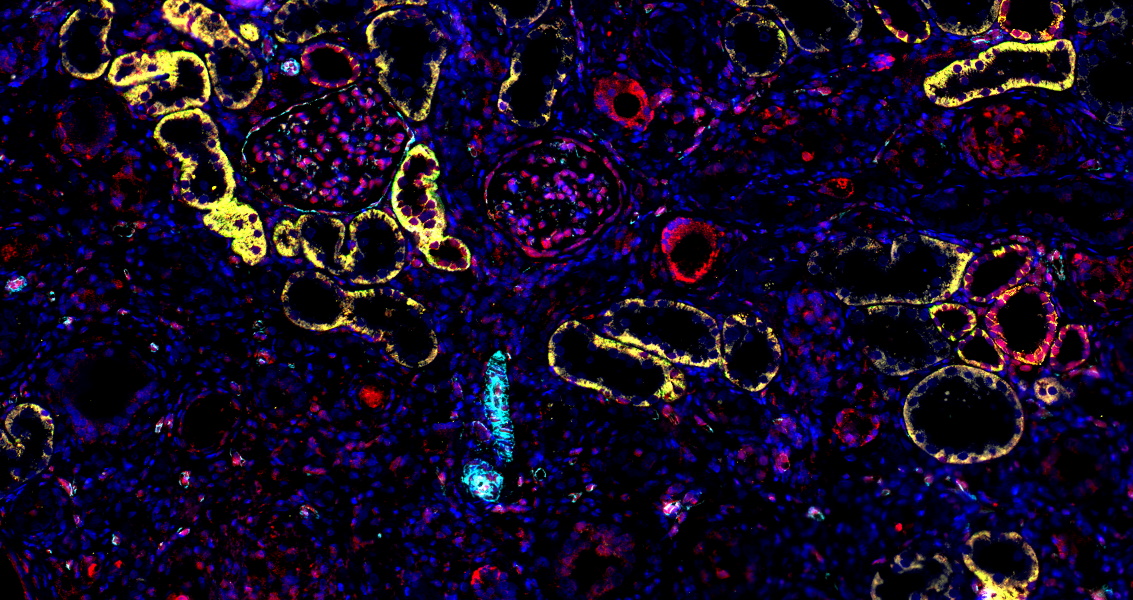
What is the difference between TSA and IF?
Compared with IF, TSA has many advantages in signal strength, resolution, and multi-color selection, and is therefore receiving increasing attention from researchers.
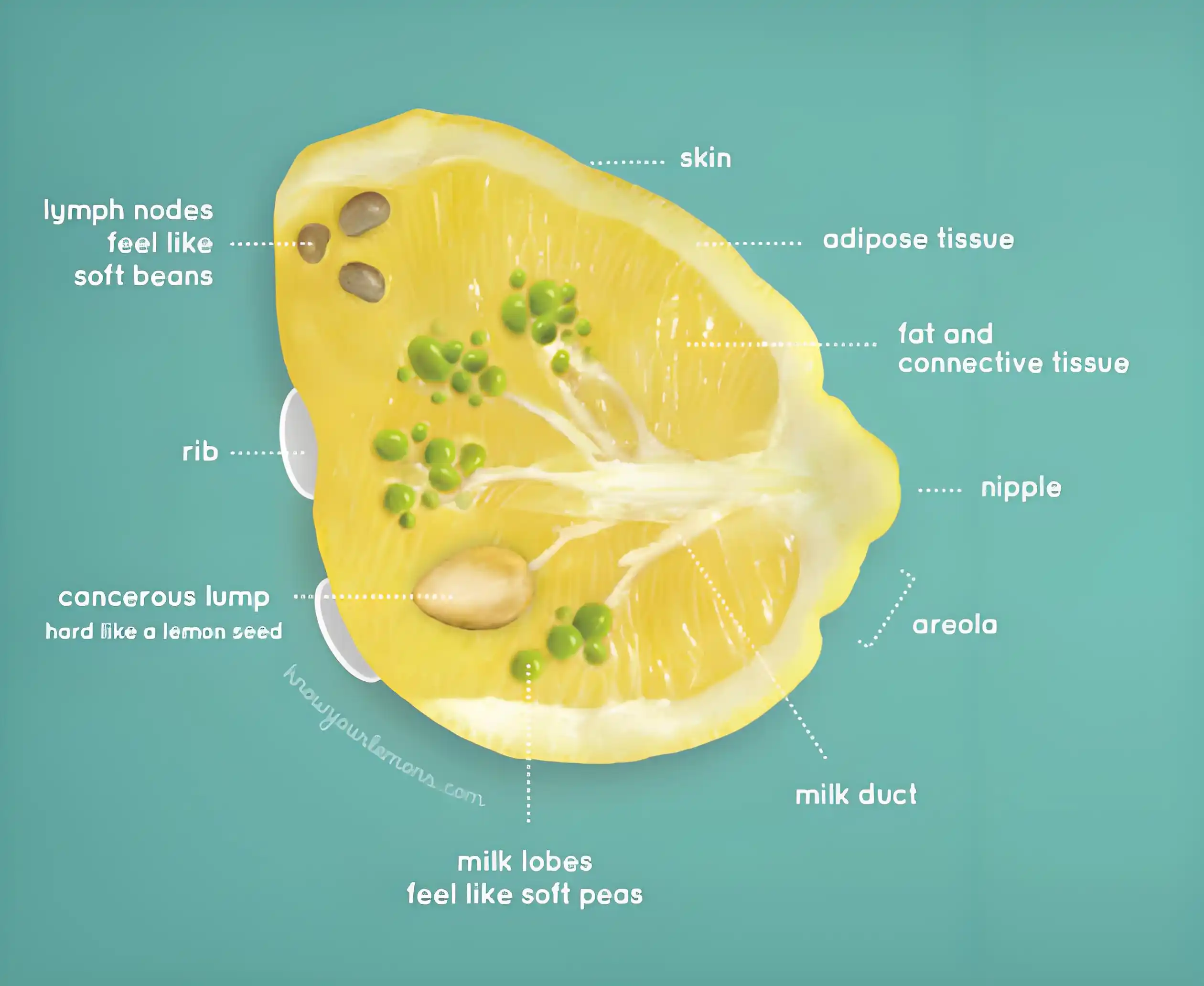
Breast cancer is a malignant tumor that occurs in the epithelial tissue of the breast. The breast is composed of acini, ducts, and connective tissue, and breast cancer mainly originates from the epithelial cells of the breast ducts. Based on cell type and histological characteristics, breast cancer can be divided into several subtypes, with the most common type being invasive ductal carcinoma.
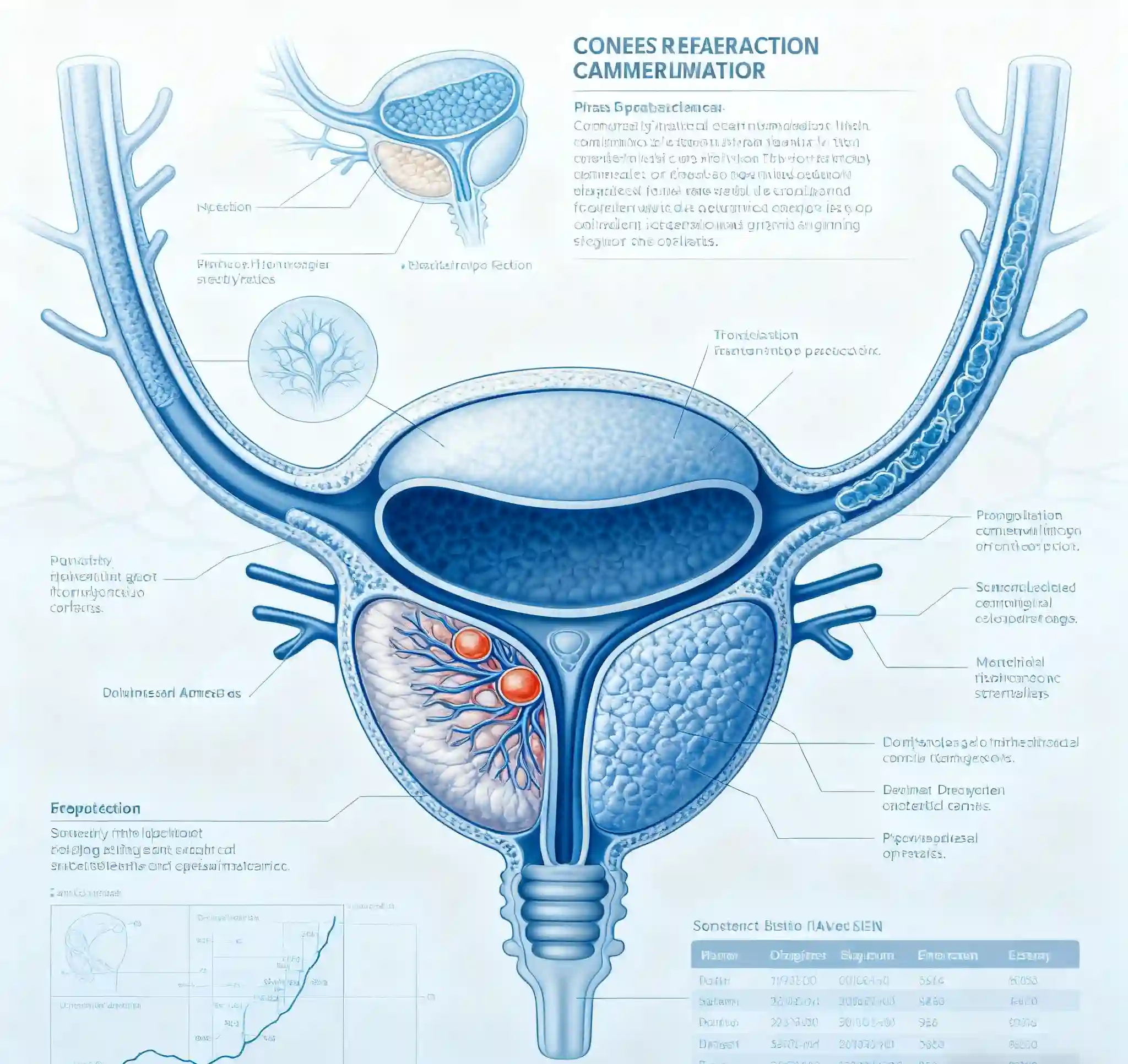
Prostate cancer (PCa) represents the second most diagnosed tumor and the fifth most common cause of cancer death in men globally. This disease ranges from indolent to aggressive tumors that may rapidly progress and metastasize to castration-resistant PCa (CRPC). Age, ethnicity, family history, and genetic defects are major factors that determine the aggressiveness and lethality of PCa. This disease involves the aberrant activation and dysregulation of specific cellular pathways that contribute to its initiation, progression, and therapeutic resistance. Key molecular pathways implicated in prostate cancer include the androgen receptor (AR) pathway, the PI3K/Akt pathway, the MAPK pathway, the Wnt/β-catenin pathway, and the PTEN pathway. These pathways regulate cell proliferation, apoptosis, migration, and invasion, among other critical cellular processes. Understanding the molecular basis of prostate cancer enables the development of targeted therapies that disrupt these pathways and effectively diminish tumor growth and progression.
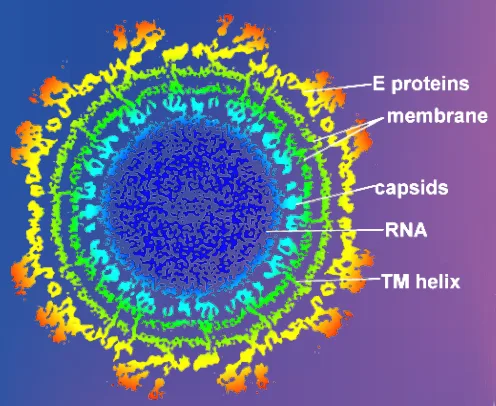
Chikungunya virus (CHIKV) is a mosquito-borne pathogen that primarily causes fever, joint pain, and rash. As global warming expands the range of mosquito vectors, CHIKV continues to spread, posing an increasingly serious threat to public health. To combat CHIKV infection, we have launched highly sensitive and specific antigen- and antibody-based reagents for chikungunya virus, providing comprehensive support for CHIKV vaccine development, antiviral drug discovery, and diagnostic assay development.
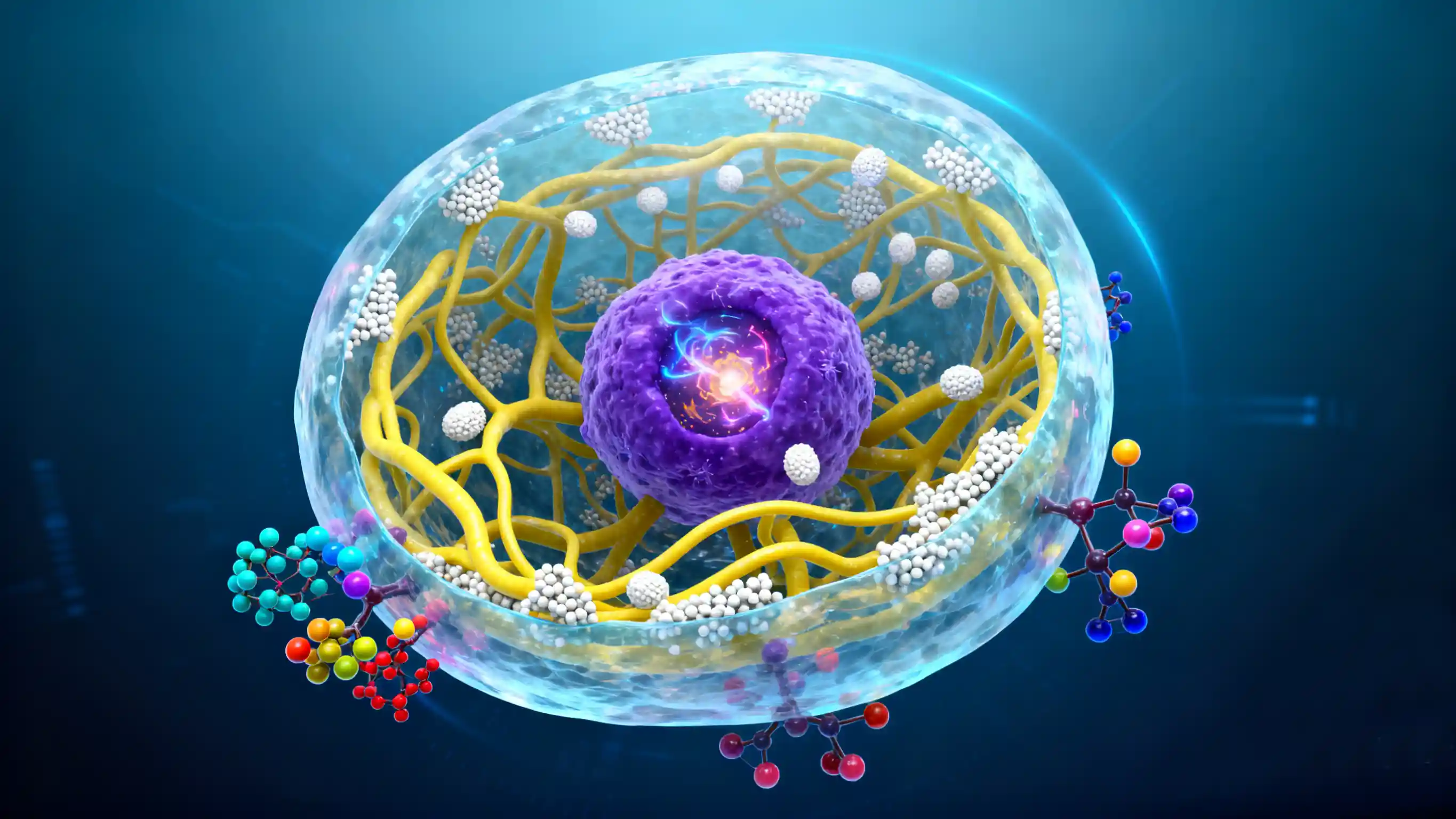
Stem Cells are a group of cells with the ability to self-renew and differentiate into multiple cell types. They can replicate themselves and, under certain conditions, differentiate into various tissue-specific cells to form tissues and organs. Their key characteristics, self-renewal and multi-lineage differentiation, make them highly valuable in regenerative medicine and disease treatment.
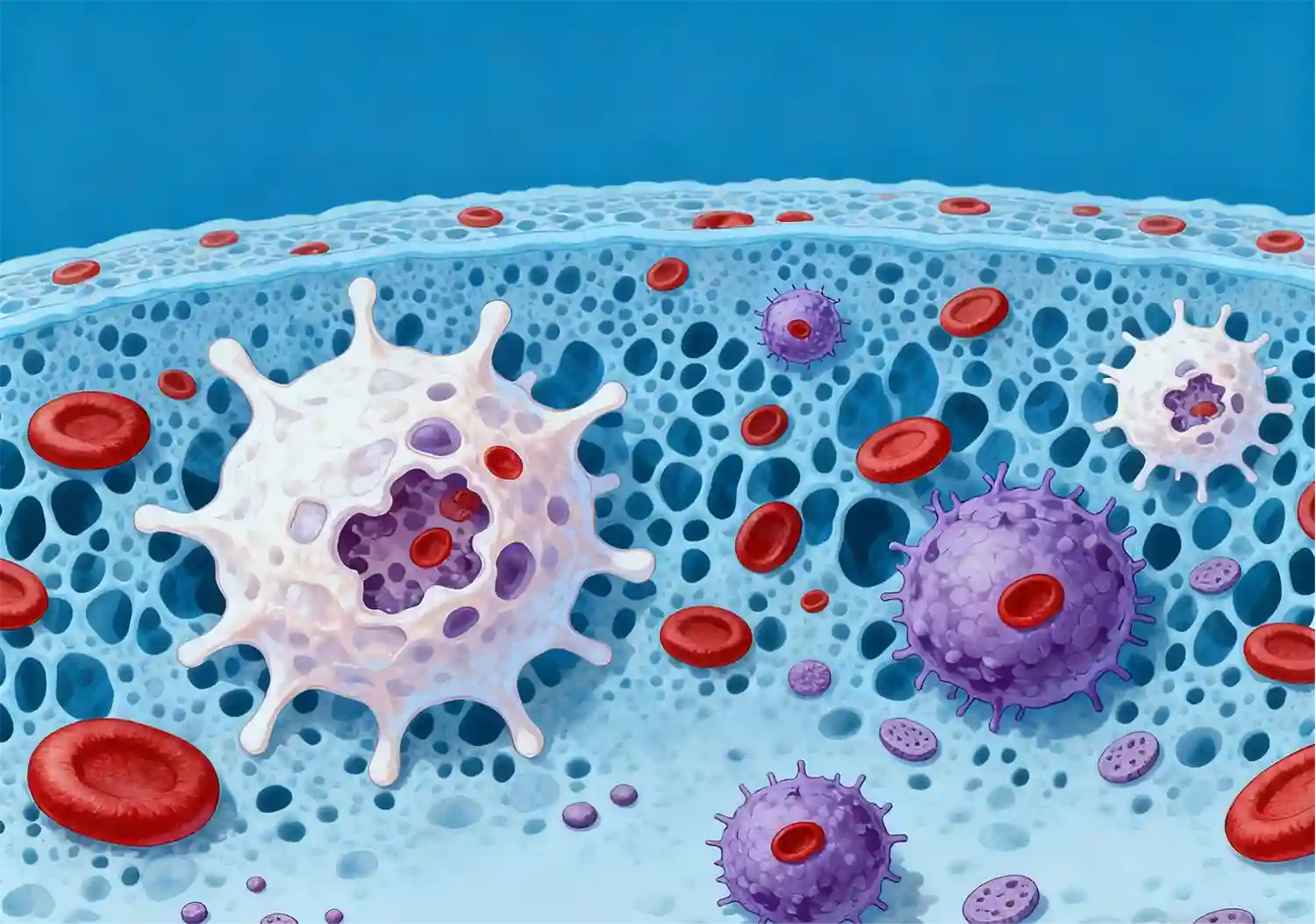
The term leukaemia is derived from the Greek words leukos, meaning white, and haima, meaning blood. It is currently used to classify a broad spectrum of haematopoietic malignancies according to morphology, immunophenotype, cytogenetic and molecular abnormalities, and clinical features—literally referring to the excess of white blood cells seen in patients with these diseases. Clinically, these diseases fall into four broad categories: myeloid or lymphoid lineage, and acute or chronic, which help to dictate treatment. The latter refers to the rapidity of clinical onset and disease progression. Although many specific diagnoses exist, the most commonly studied leukemias are acute myeloid leukaemia (AML), acute lymphoblastic leukaemia/lymphoma (ALL), chronic lymphocytic leukaemia/small lymphocytic lymphoma (CLL/SLL) and chronic myeloid leukaemia (CML).
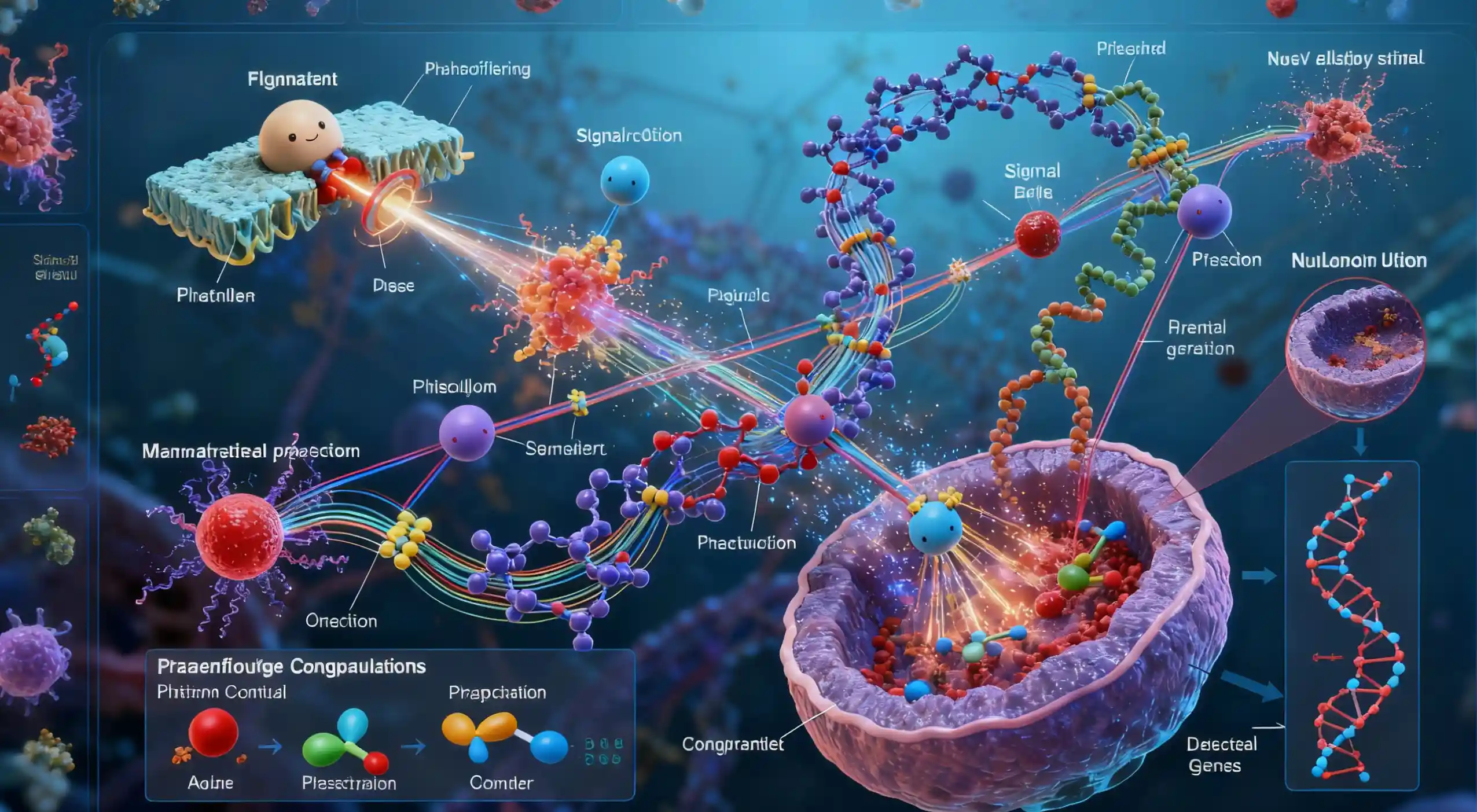
Signal transduction is the process by which cells convert external signals (including chemical, physical, and electrical stimuli) into internal responses, triggering a series of biological reactions. This process is fundamental to cell communication and involves the binding of signaling molecules to receptors, the propagation and amplification of signals within the cell, and the resulting cellular responses.
Microbiology is the scientific study of microorganisms, encompassing their classification, structure, function, ecology, genetics, molecular biology, and biotechnological applications. Microorganisms include bacteria, archaea, fungi, viruses, protozoa, and microscopic algae. They play a crucial role in nature by participating in nutrient cycling, energy transformation, and interacting closely with human health, agriculture, industry, and the environment.