
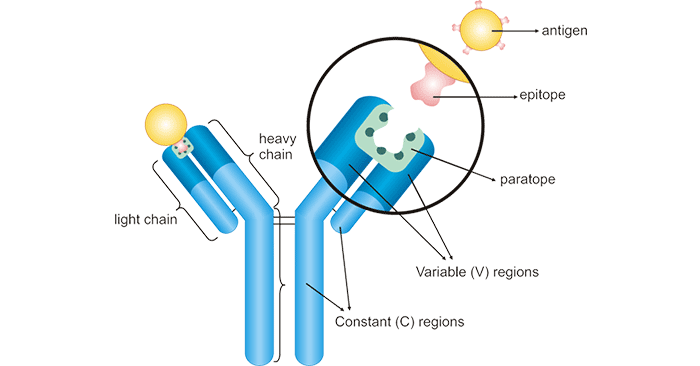
Antibody Cross-reactivity: A Double-edged Sword in Immunology
This manuscript centers on the definition, generating mechanisms, biological functions, practical usage scenarios and optimization approaches of antibody cross-reactivity.

This article systematically elaborates core principles of protein lyophilization, detailed reconstitution workflows and critical operational notes to guide researchers in correctly restoring freeze-dried protein samples.
Pfizer has secured FDA approval for Marstacimab (marketed under the brand name Hympavzi), a monoclonal antibody targeting TFPI. This milestone marks remarkable progress in hemophilia management. As the first TFPI-directed antibody authorized by the FDA, Hympavzi delivers a novel therapeutic choice to lower bleeding episodes in adult and adolescent hemophilia A and B patients aged 12 years and older. Its convenient self-administration route also greatly elevates patients’ quality of life. By binding specifically to the Kunitz-2 domain of TFPI, this drug suppresses TFPI activity, modulates the extrinsic coagulation cascade, and restores the physiological equilibrium between bleeding and clot formation.
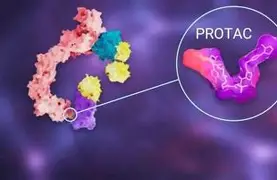
Targeted cancer therapeutics have achieved remarkable advancement in recent years. Conventional druggable targets mainly encompass G-protein coupled receptors, nuclear receptors, ion channels and various enzymes. Nevertheless, roughly 80% of human proteins are still classified as "undruggable", meaning conventional small-molecule inhibitors cannot bind these proteins effectively to generate desired therapeutic effects. Global research groups have invested tremendous efforts to upgrade traditional small-molecule drug design strategies.
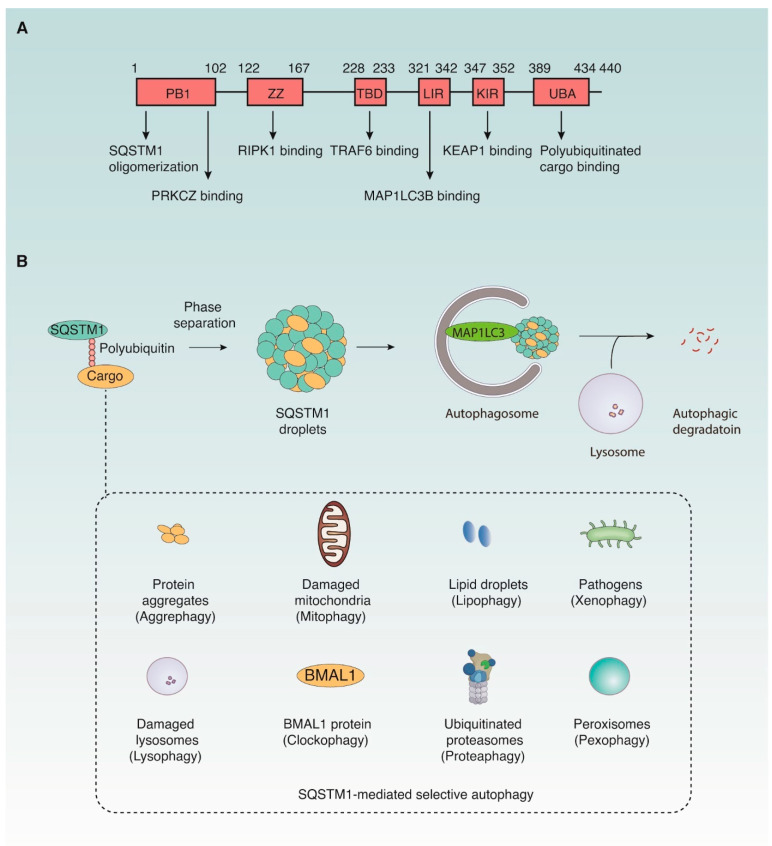
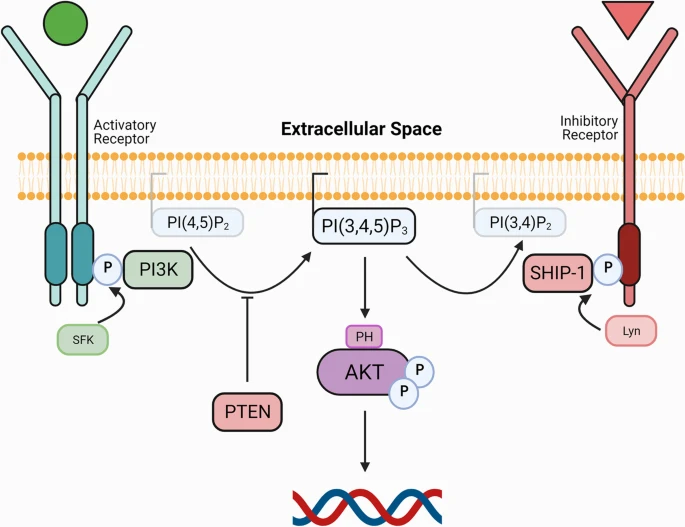
Sequestosome 1 (SQSTM1, p62) is a ubiquitin binding protein involved in cell signaling, oxidative stress, and autophagy. It was first identified as a protein that binds to the SH2 domain of p56Lck (5) and independently found to interact with PKCζ. SQSTM1 was subsequently found to interact with ubiquitin, providing a scaffold for several signaling proteins and triggering degradation of proteins through the proteasome or lysosome. Interaction between SQSTM1 and TRAF6 leads to the K63-linked polyubiquitination of TRAF6 and subsequent activation of the NF-κB pathway.
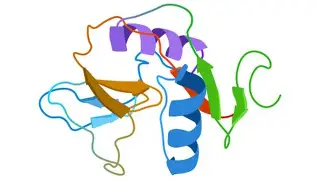
As the earliest surface molecule upregulated upon lymphocyte activation, CD69 serves as a core immune regulatory factor with essential physiological functions. Accumulating research data confirms that CD69 exerts crucial regulatory effects in hematological disorders and autoimmune conditions. Nevertheless, its complete biological functions and detailed immune regulatory mechanisms remain to be further explored and validated. This article systematically elaborates on this key molecular target from multiple dimensions.

Biomedical researchers adopt diverse experimental systems for laboratory investigations, which are broadly classified into in vivo and in vitro models according to experimental locations and complete biological system integrity. Picking a matched experimental scheme is a core decision in life science and medical research, directly determining the clinical transfer value and reliability of acquired experimental data.
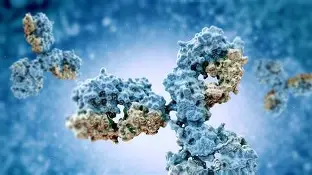
Proteins are fundamental biomolecules that serve as the core carriers of life activities and primary executors of diverse biological functions in living organisms. They participate in nearly all critical physiological processes, including cytoskeleton formation and maintenance, enzymatic biochemical catalysis, intracellular signal transduction, transmembrane molecular transport, as well as the regulation and activation of human immune responses.
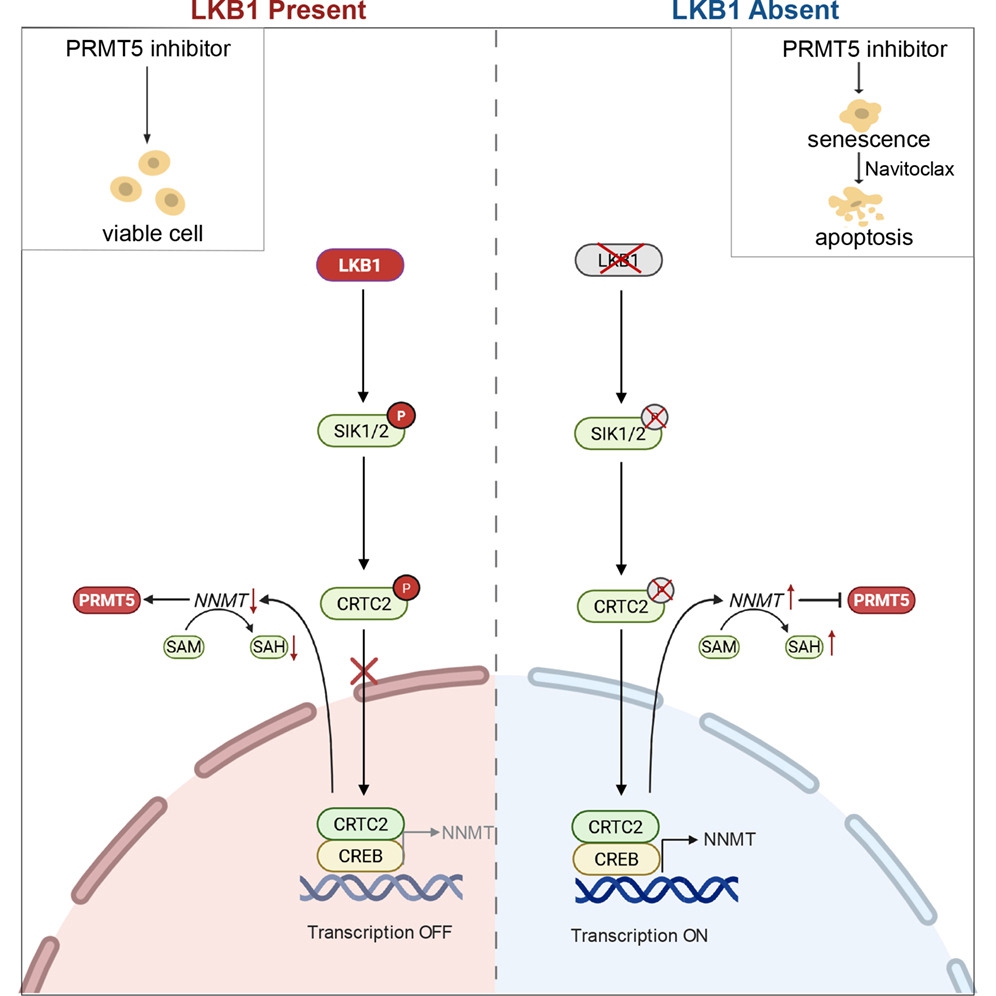
This study establishes for the first time the LKB1‑SIK/CRTC‑NNMT‑SAM/SAH‑PRMT5 regulatory axis. It elucidates the metabolic‑epigenetic basis underlying PRMT5‑inhibitor sensitivity in LKB1‑deficient lung cancer, identifies LKB1/NNMT as novel biomarkers for PRMT5‑targeted therapy, and provides solid pre‑clinical evidence supporting the "PRMT5 inhibitor plus Navitoclax" combination regimen.