Literature Sharing: Multiplex Immunofluorescence for Tumor Tissue Immune Analysis and Cellular Spatial Distribution Research
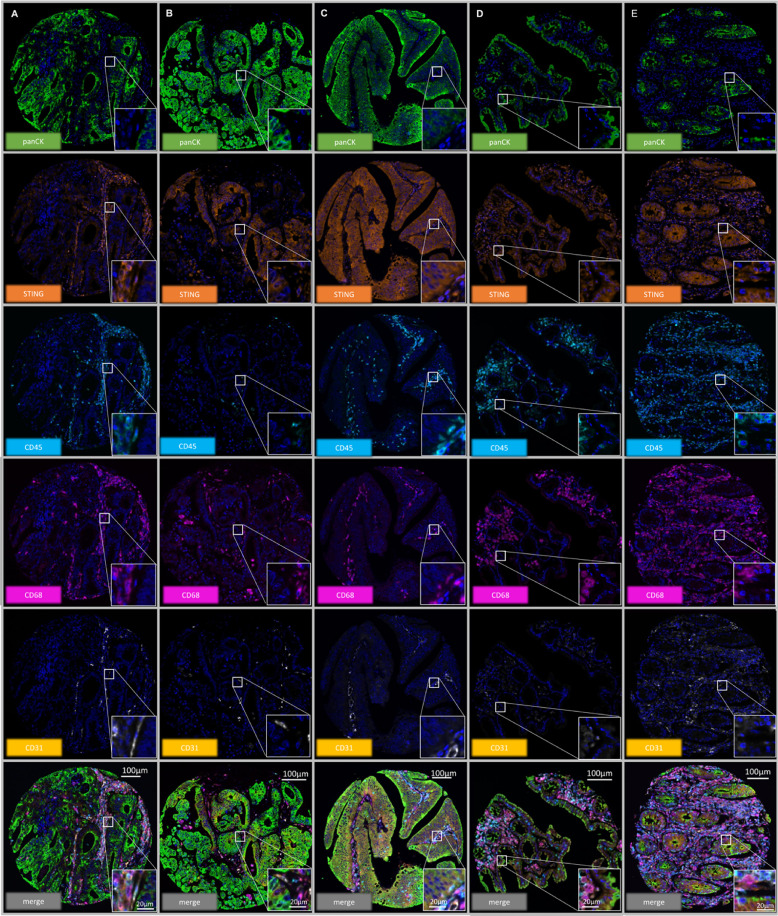
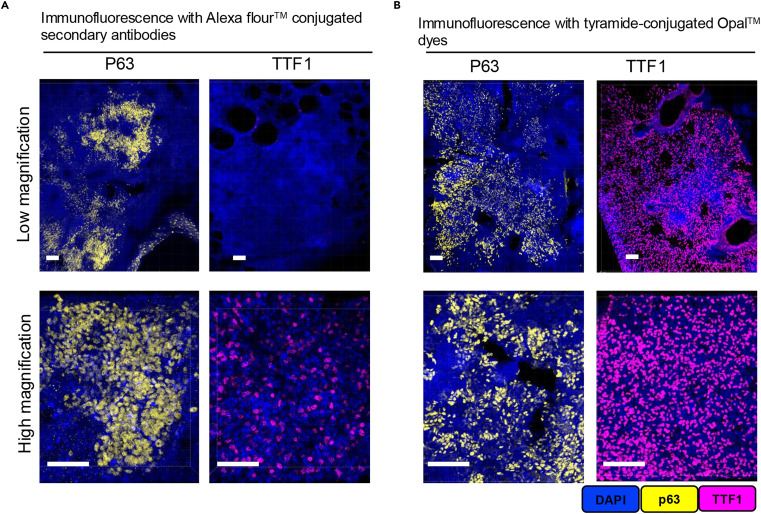
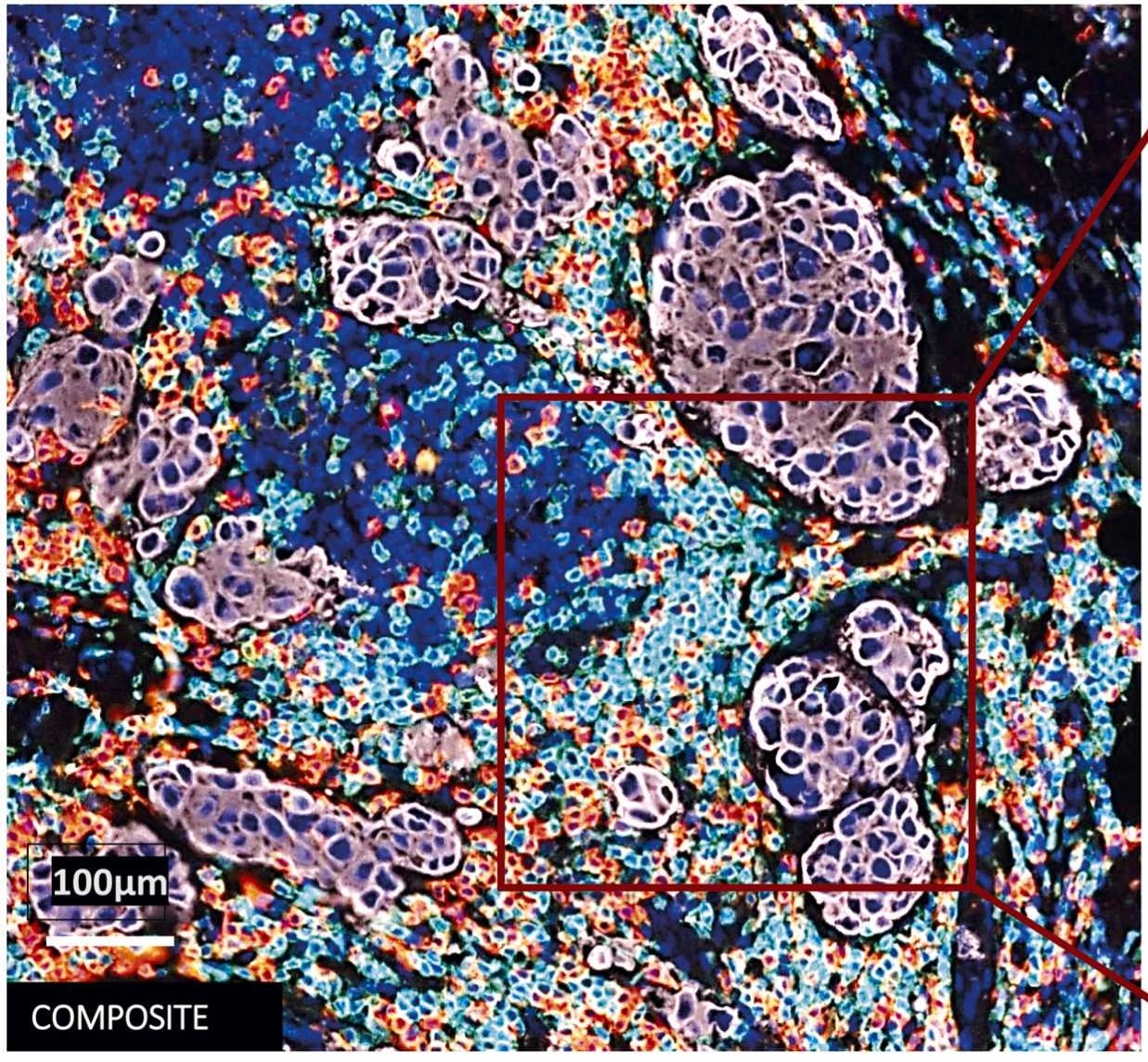
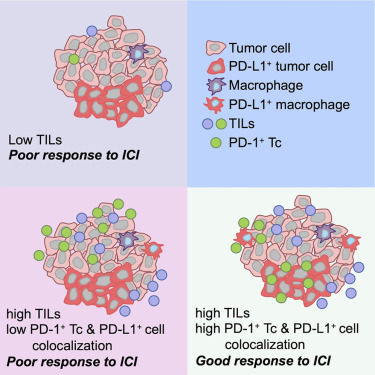
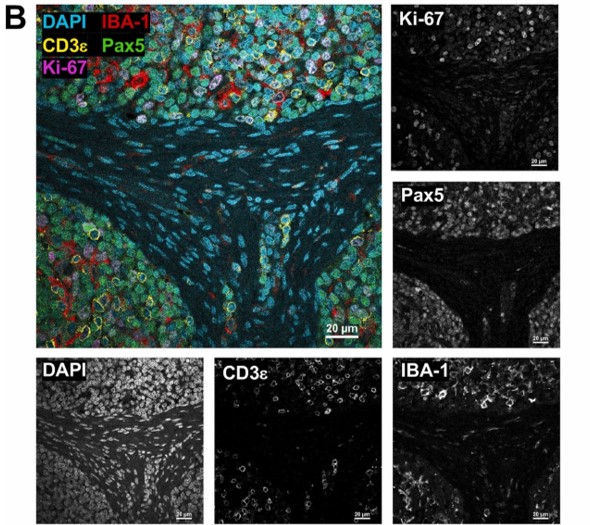
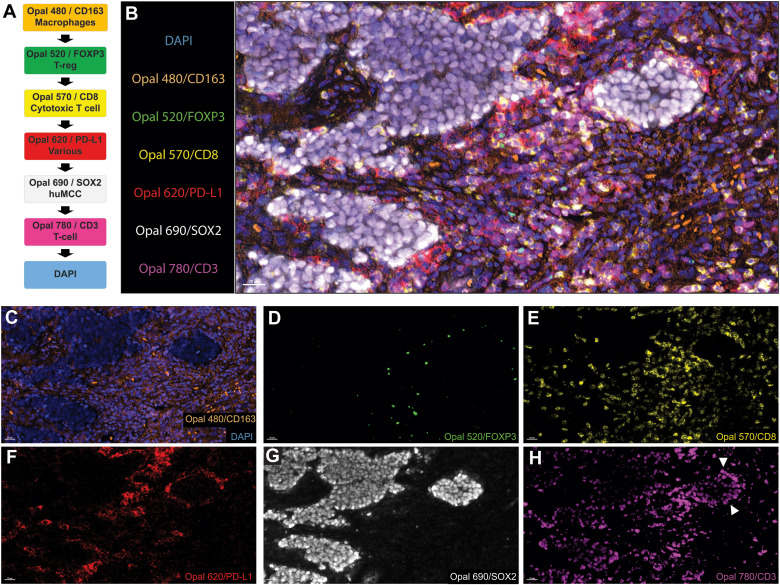
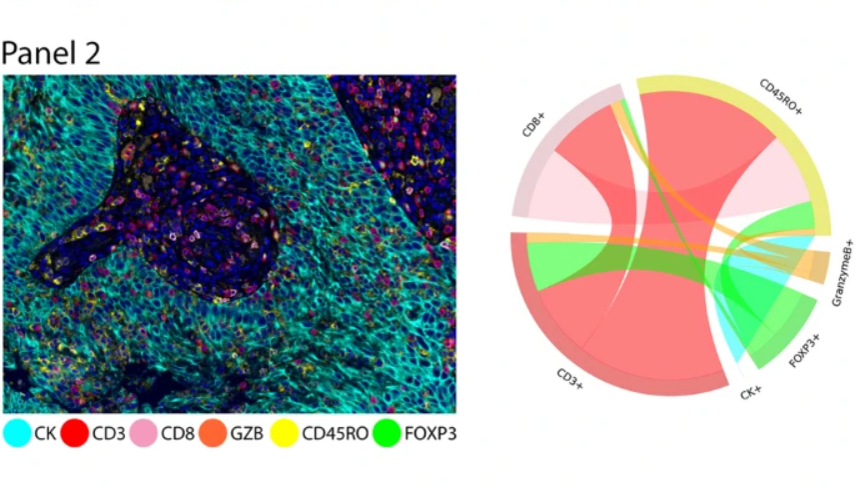
Although tumor immunotherapy has developed rapidly and achieved significant results, malignant tumors can escape immune surveillance by constructing an immunosuppressive microenvironment, which severely limits treatment efficacy. After the discovery of immune checkpoint molecules such as PD-1 and CTLA-4 and their roles in tumor immune evasion, clarifying the interaction between immune cells and cancer cells has become a core prerequisite for developing novel immunotherapies. Multiplex immunofluorescence (mIF) is a reliable high-throughput method that can directly observe multiple biomarkers expressed by individual cells and analyze the spatial relationships of these biomarkers in different cell populations, which is impossible with traditional immunohistochemistry (IHC) techniques. Therefore, the study "Immuno-profiling and cellular spatial analysis using five immune oncology multiplex immunofluorescence panels for paraffin tumor tissue" can identify multiple cell subpopulations by combining carefully selected antibodies. The tyramide signal amplification (TSA) manual protocol was used as a standard reference for validating multiplex staining. The automated stainer significantly reduced the original 4-5 day manual staining time to 14-17 hours while improving staining consistency. The literature demonstrates the optimization process and reproducibility of automated TSA staining, and validates its application value in tumor microenvironment research and cellular phenotype spatial distribution analysis in a small cohort of non-small cell lung cancer (NSCLC) samples.