Traumatic Brain Injury Biomarker

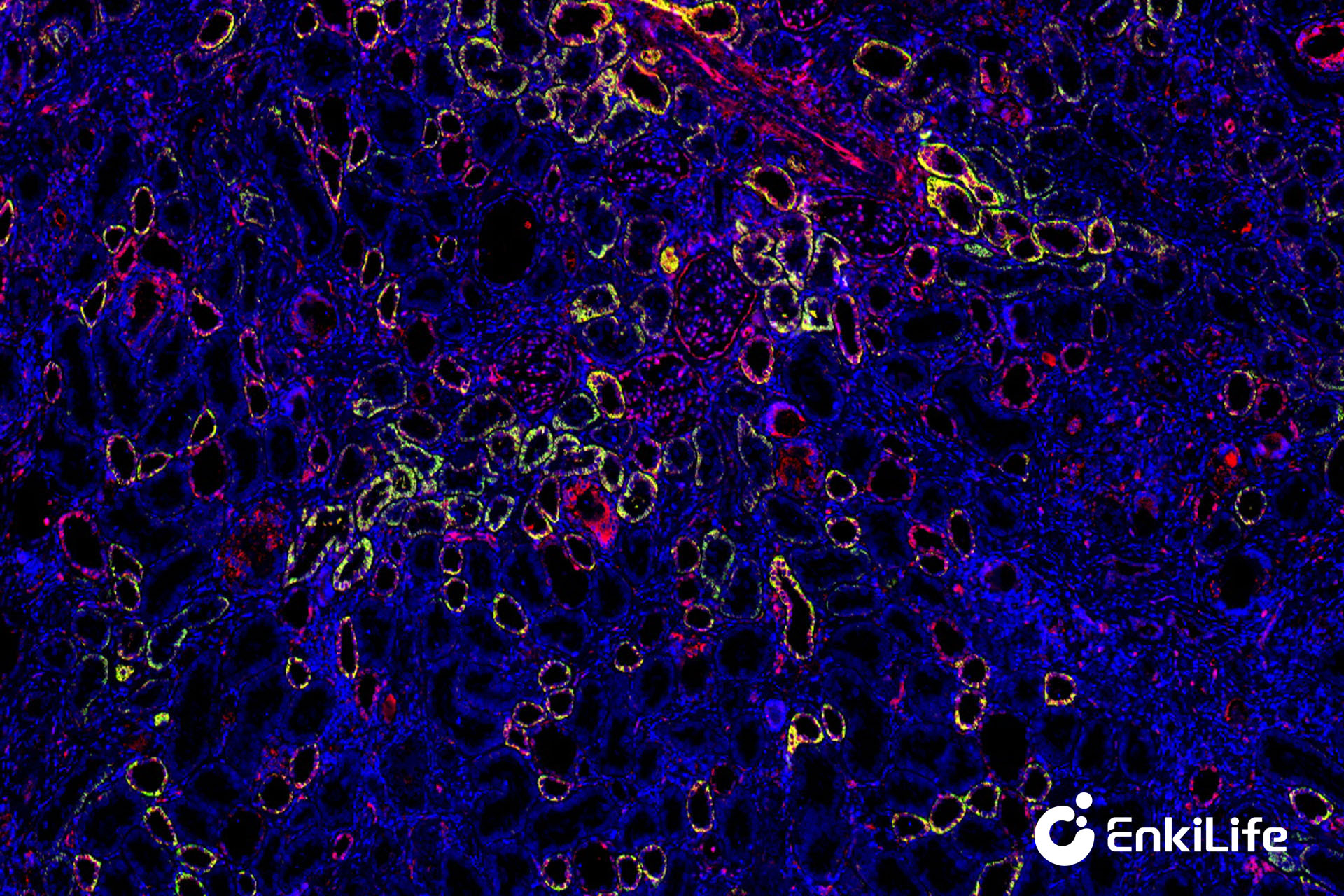
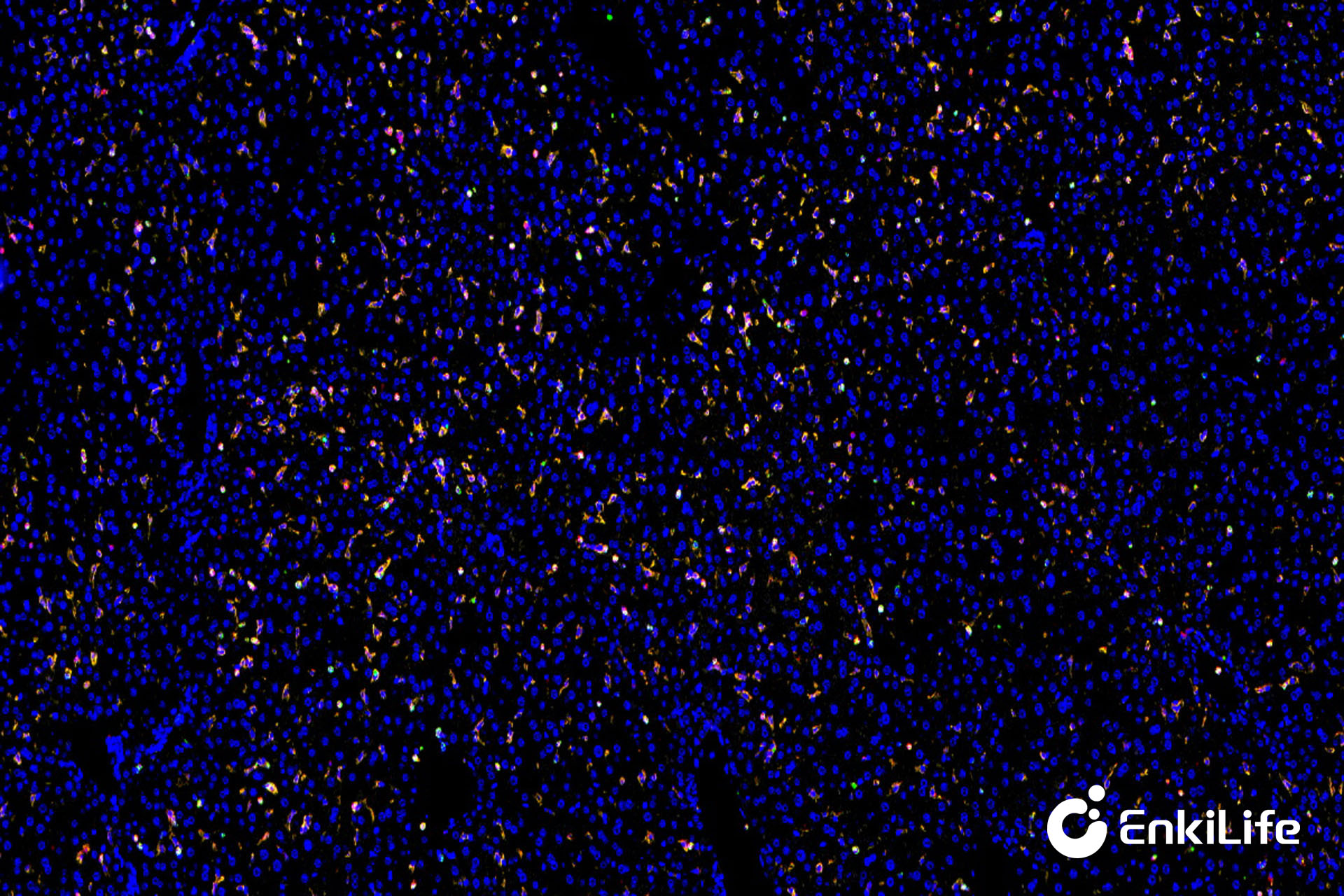
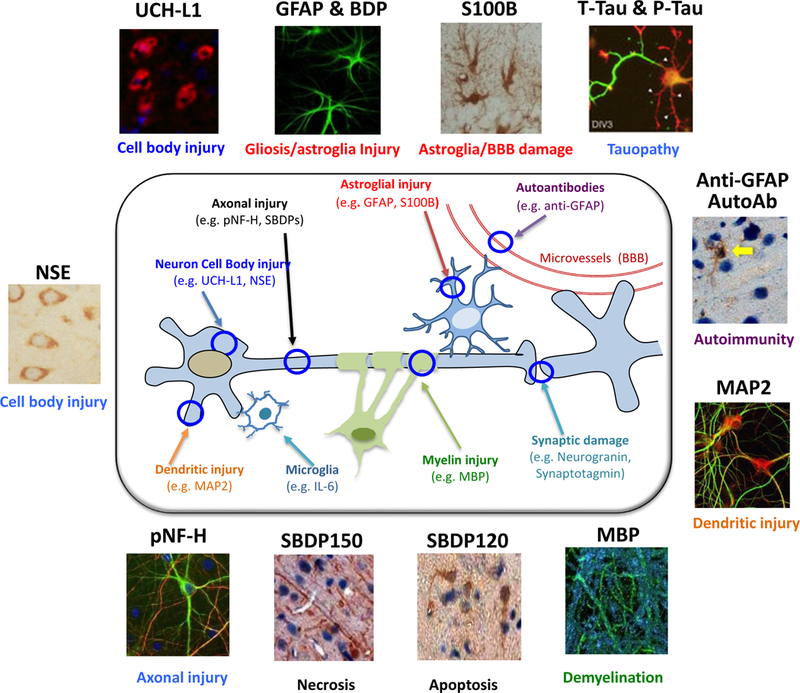
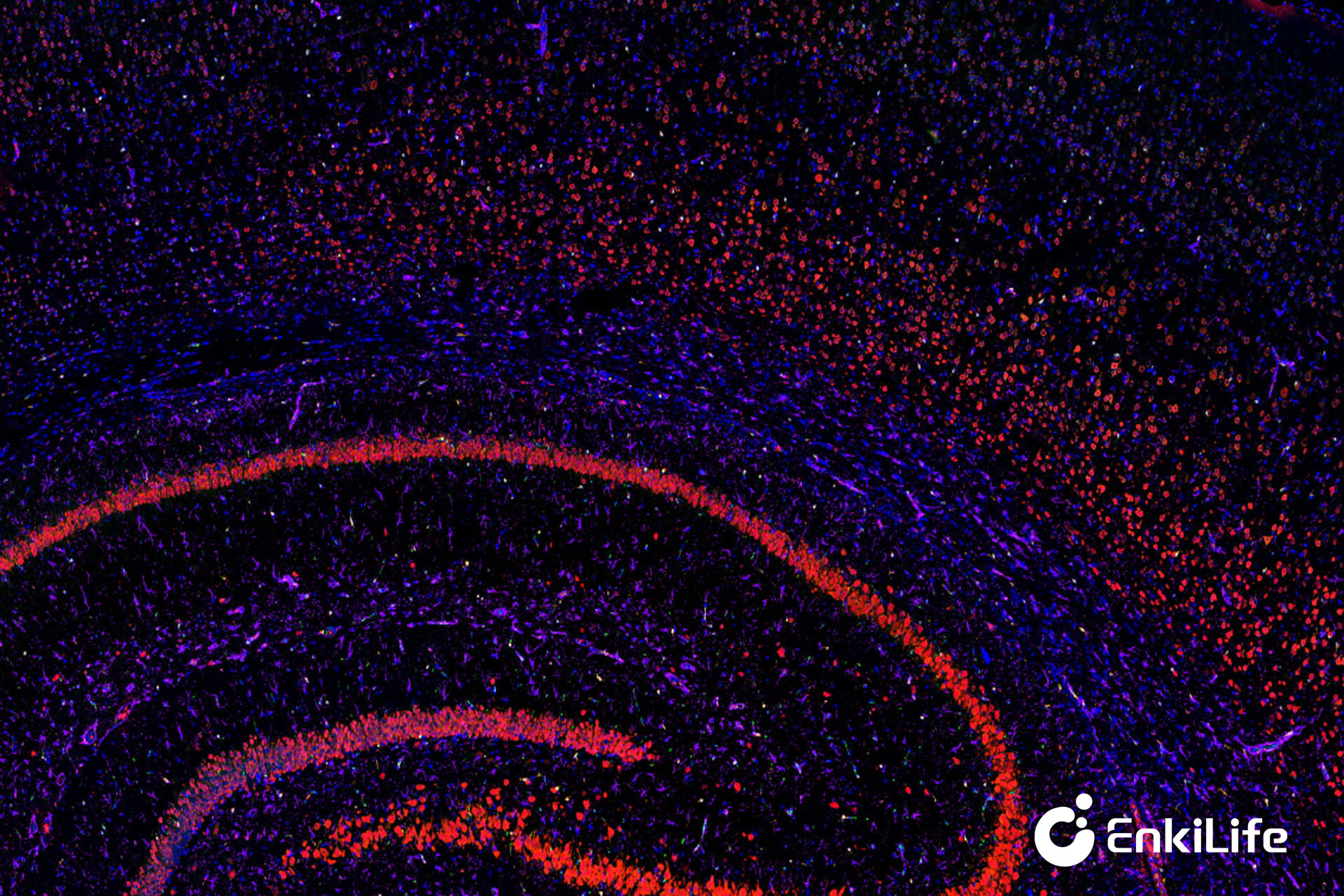
Traumatic brain injury (TBI) is a worldwide health issue that significantly affects the patient as well as their family. Annual total cost of nonfatal TBI in 2016 was $40.6 billion in the United States. In addition to acute brain injury, even mild cases, can lead to cognitive impairment and long-term psychiatric changes. More long term, TBI patients exhibit lower resilience to neurodegenerative disease-associated pathology. Treatment of TBI is made more difficult due to lack of reliable biomarkers to detect TBI. Several proteins are of interest, which are candidates for measurement in blood after TBI. Glial fibrillary acidic protein (GFAP) is an astrocytic intermediate filament protein. As a cytoskeletal protein, GFAP helps provide structural support to astrocytes, which provide metabolic support to neurons and maintains the blood brain barrier. The number and size of astrocytes, in a process called astrogliosis, is also positively correlated with brain injury. Also abundantly expressed in astrocytes, S100B is commonly used as an astrocytic marker and is positively correlated with TBI. Neurofilament-L (NfL) and tau are part of the neuronal cytoskeleton that provide structure to axons. Axons are covered by a multi-layered membrane called the myelin sheath. Myelin basic protein (MBP) is enriched in myelin and helps maintain its structure. UCHL1 and Enolase-2 are ubiquitin hydrolases and glycolytic enzymes, respectively, that are enriched in neurons. PSD95 is an adaptor protein enriched at postsynaptic sites in neurons. After brain injury, neuron-enriched proteins, as well as proteins that maintain neuronal/axonal integrity, can be measured in the blood, reflecting neuronal damage.

Tricarboxylic Acid Cycle

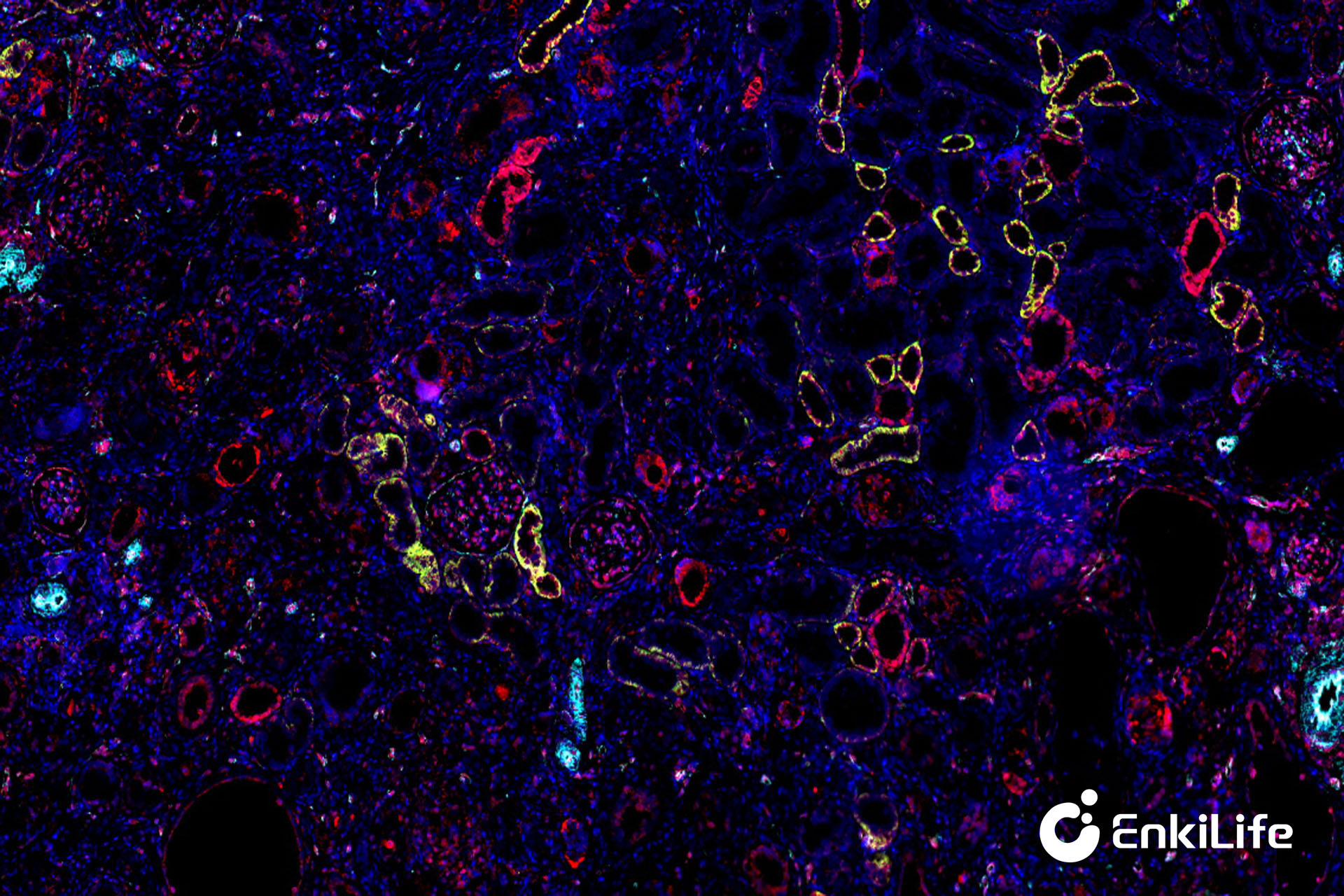
The tricarboxylic acid (TCA) cycle includes various enzymatic reactions that constitute a key part of cellular aerobic respiration. The transport of the glycolytic end product pyruvate into mitochondria and the decarboxylation of pyruvate in the TCA cycle generate energy through oxidative phosphorylation under aerobic conditions. Two inner mitochondrial membrane proteins, mitochondrial pyruvate carrier 1 (MPC1) and mitochondrial pyruvate carrier 2 (MPC2), form a 150 kDa complex and are essential proteins in the facilitated transport of pyruvate into mitochondria . Citrate synthase catalyzes the first and rate-limiting reaction of the TCA cycle. Mitochondrial aconitase 2 (ACO2) catalyzes the conversion of citrate to isocitrate via cis-aconitate. IDH1 and IDH2 are two of the three isocitrate dehydrogenases that catalyze oxidative decarboxylation of isocitrate to α-ketoglutarate (α-KG). IDH1 functions as a tumor suppressor in the cytoplasm and peroxisomes, whereas IDH2 is in mitochondria and is involved in the TCA cycle. Mutations in IDH2 have also been identified in malignant gliomas. Dihydrolipoamide succinyltransferase (DLST) is a subunit of the α-ketoglutarate dehydrogenase complex, a key enzymatic complex in the TCA cycle. Succinate dehydrogenase subunit A (SDHA) is a component of the TCA cycle and the electron transport chain and is involved in the oxidation of succinate. Fumarase catalyzes the conversion of fumarate to malate. Fumarase deficiency leads to the accumulation of fumarate, an oncometabolite that has been shown to promote epithelial-to-mesenchymal-transition (EMT), a developmental process that has been implicated in oncogenesis.

   💬 WhatsApp