
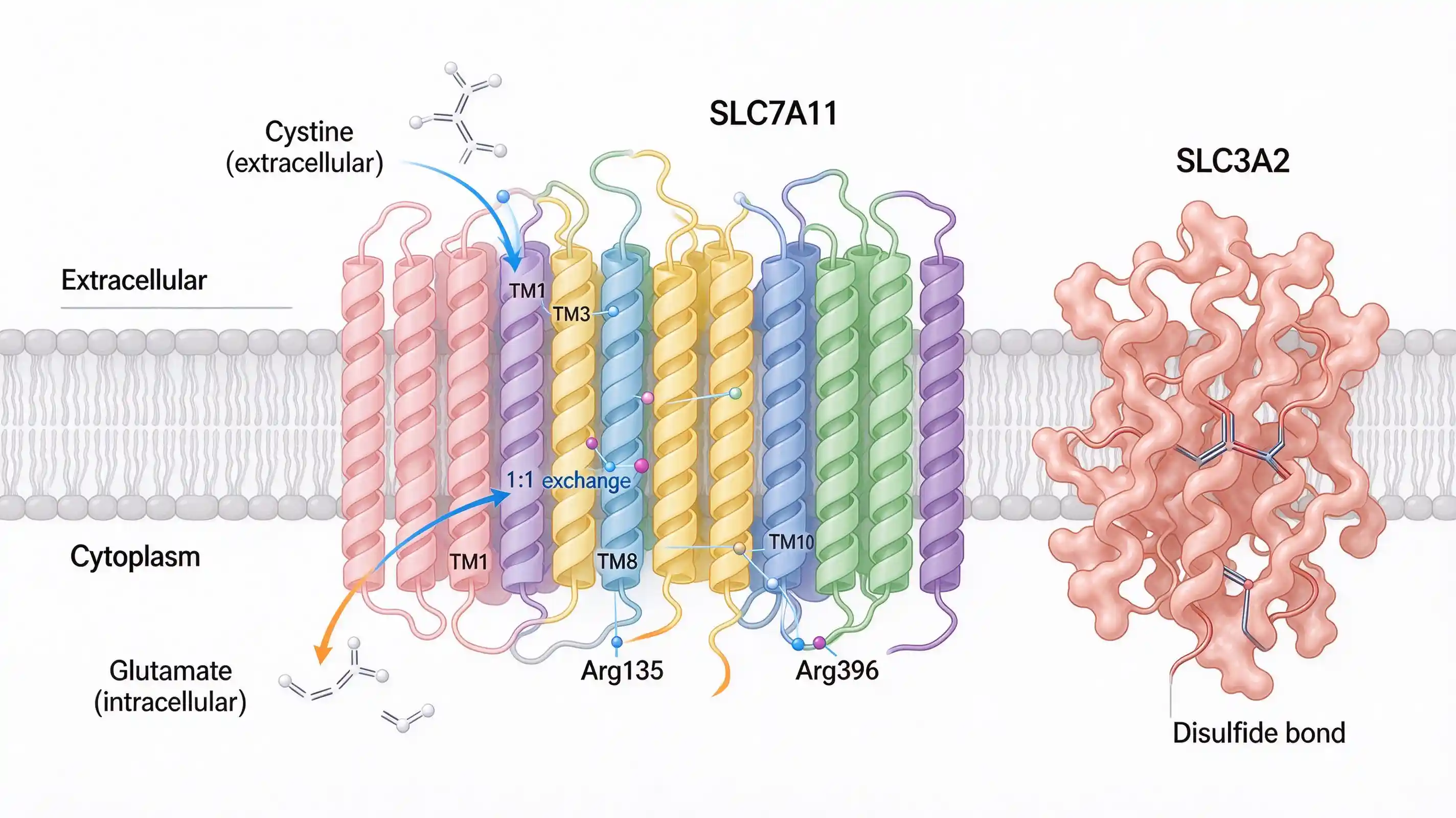
What Makes xCT (SLC7A11) a Tricky Multi‑Transmembrane Protein?
xCT, also known as SLC7A11, is a sodium‑independent cystine‑glutamate antiporter located on the cell membrane.
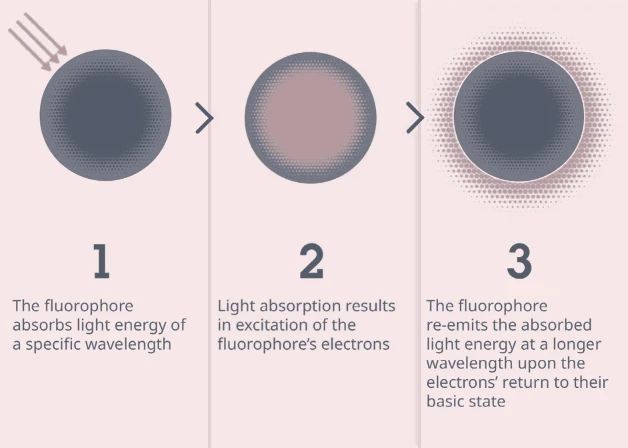
This fluorophore guide systematically sorts common fluorescent probes and dyes for cell and molecular biology experiments, covering nuclear staining dyes, reactive oxygen species probes, mitochondrial membrane potential probes, calcium ion indicators, lipid tracers, F-actin labels, apoptosis detection dyes, senescence and lipid peroxidation probes, as well as fluorescent secondary antibodies. It elaborates on core detection principles, excitation/emission wavelengths, photostability, fixation and permeabilization compatibility, advantages and limitations, and typical application scenarios of each fluorophore. The guide also provides practical selection suggestions for multi‑color flow cytometry, immunofluorescence, live-cell imaging and high-content screening, summarizes common pitfalls in staining and spectral overlap issues, and aims to help researchers rapidly select appropriate fluorescent reagents and design rational multi‑panel fluorescence schemes to reduce experimental interference and improve the reliability of fluorescence detection results.
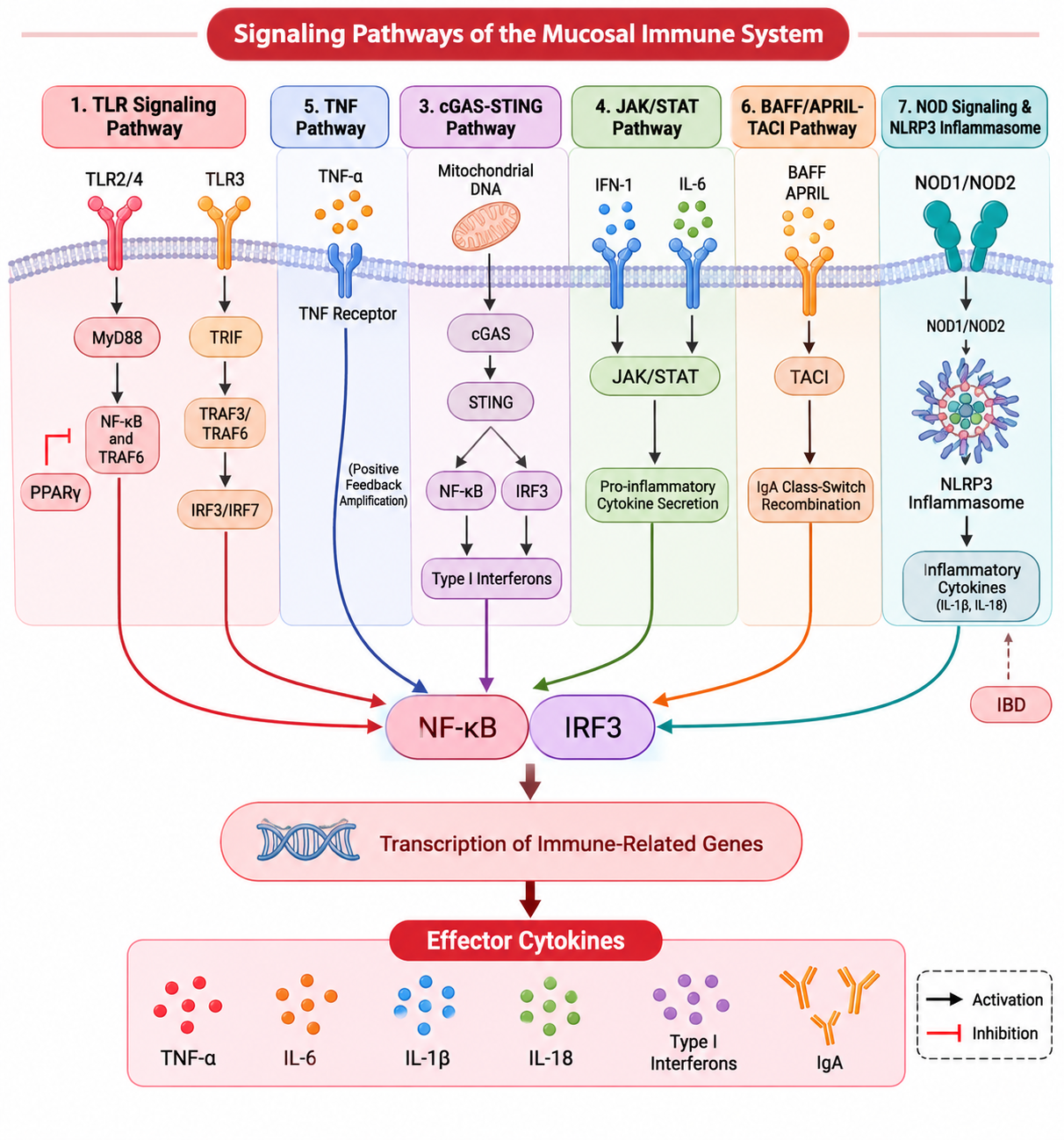
Mucosal immune markers are most useful when they answer a defined question about a tissue, cell population or pathway. A single marker rarely identifies a cell type, proves pathway activity or distinguishes cause from consequence. For reliable interpretation, combine lineage, location and functional markers with the tissue context, sample preparation and an orthogonal readout.

Sandwich ELISA is a widely used immunoassay for sensitive and specific protein quantification. This article introduces its fundamental principles, antibody selection, sample preparation, and key experimental procedures, including antigen capture, detection, and signal measurement. It also outlines essential quality-control criteria and provides practical troubleshooting guidance for common issues such as weak signals, high background, poor reproducibility, and matrix effects, helping researchers improve assay accuracy and reliability.
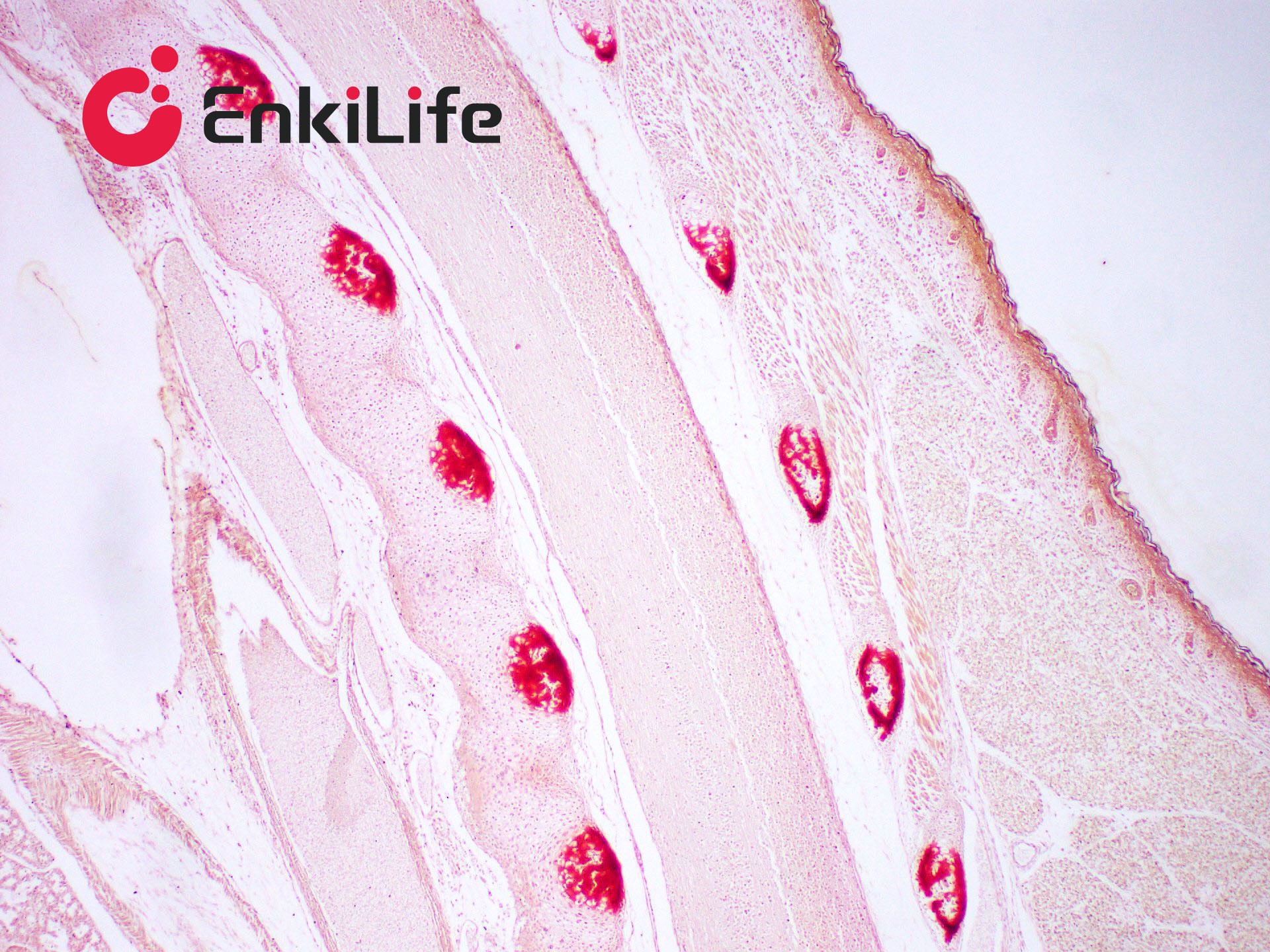
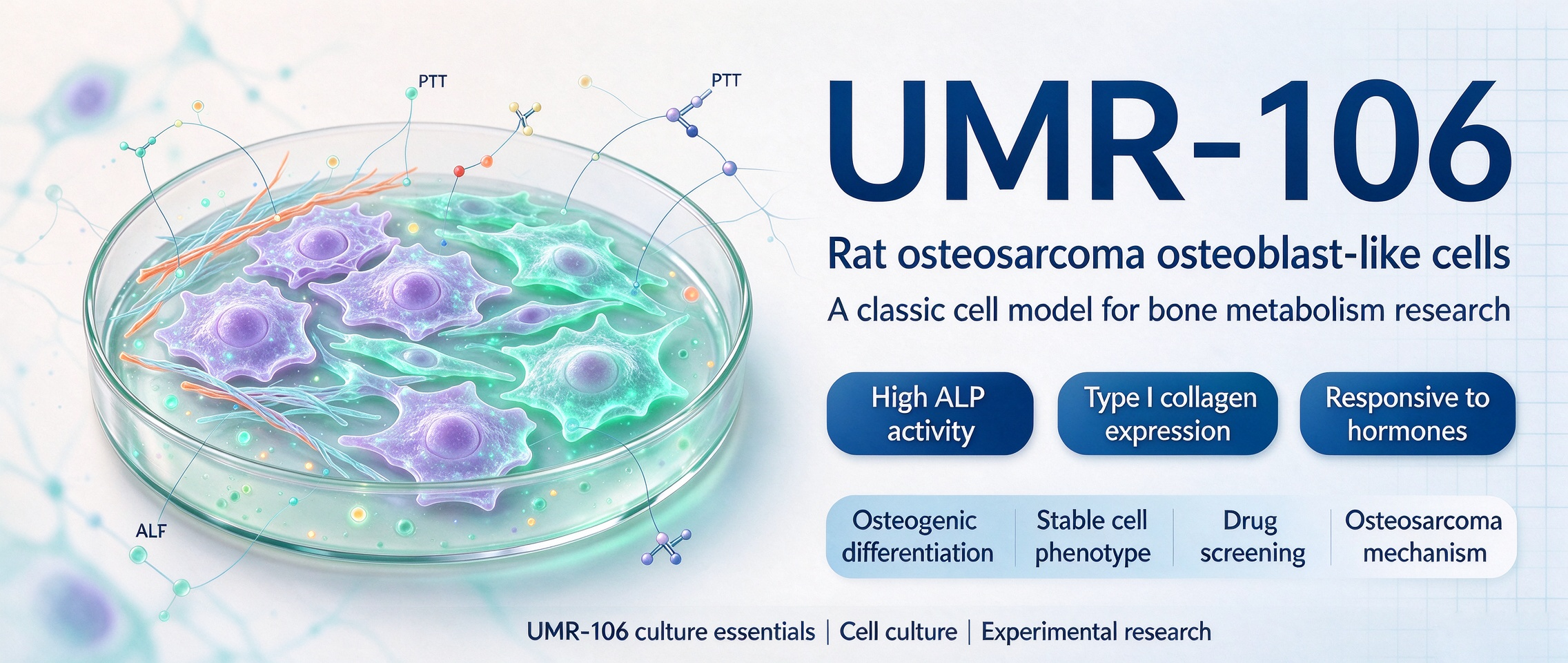
In studies of osteogenic differentiation, in addition to observing changes in cell morphology, researchers often focus on an important indicator—the formation of mineralized nodules. As the osteogenic differentiation process progresses, the extracellular matrix may gradually undergo mineralization, forming areas with calcium deposits. How can these changes, which are difficult to distinguish with the naked eye, be visually presented? Alizarin Red S staining is one of the classic methods commonly used to observe calcium-related mineral deposits in cell culture systems.
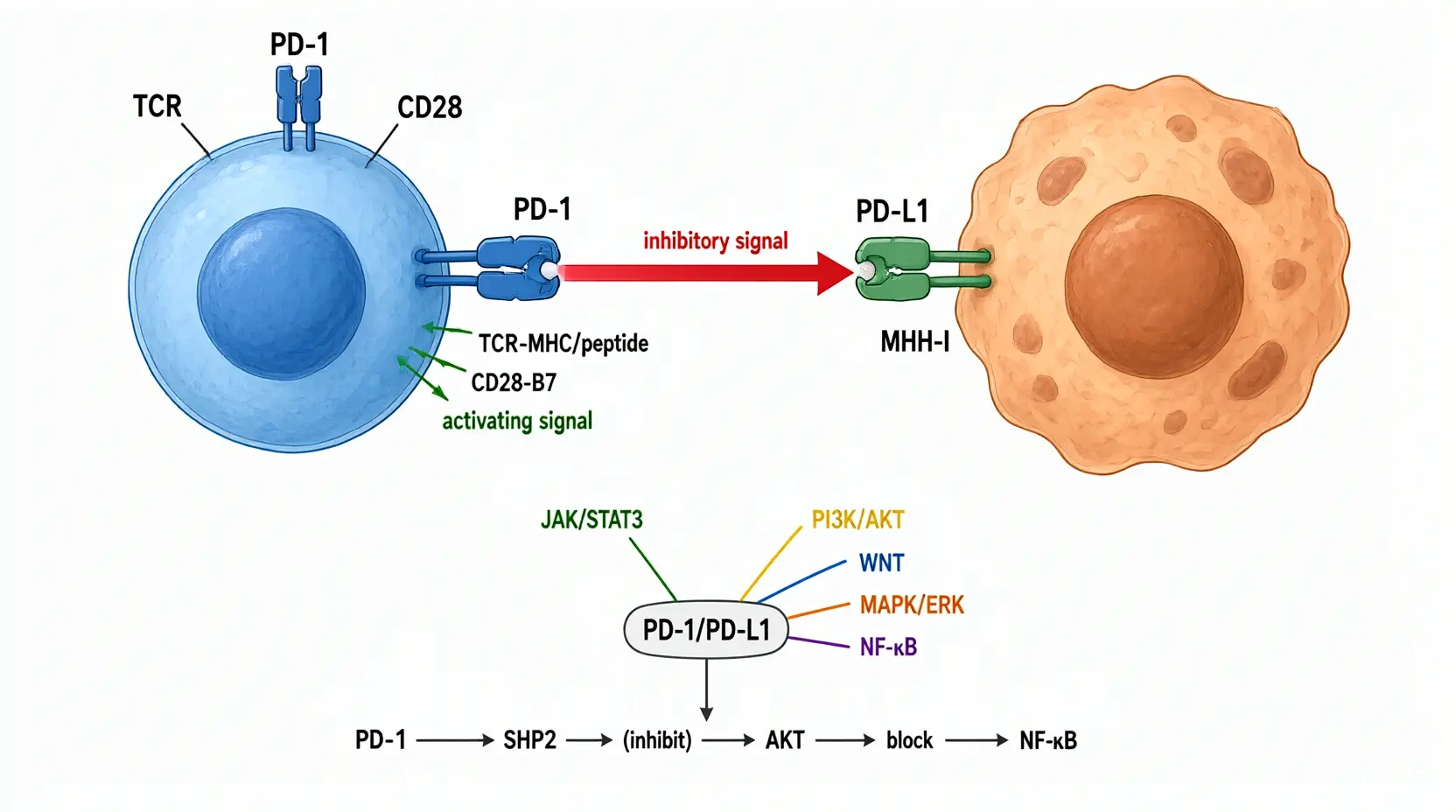
Programmed cell death protein 1 (PD-1) is an inhibitory receptor that helps restrain T-cell responses. When programmed death ligand 1 (PD-L1) on a tumor cell or another cell in the tumor microenvironment engages PD-1 on a T cell, it can reduce signals needed for T-cell activation and function. Antibodies that block this interaction can release part of that restraint, but their effects depend on the immune context and are not uniform across patients or experimental models.1, 2 For example, PD-L1 expression can appear alongside immune-cell infiltration in human melanoma.5
In cell culture experiments, besides culture media and cytokines, the microenvironment where cells reside also deserves attention. This product encodes an important extracellular matrix (ECM) glycoprotein that participates in cell adhesion, migration, and interactions between cells and their surroundings.

Histone post-translational modifications are central to epigenetic regulation, influencing chromatin organization and the recruitment of regulatory proteins. This article summarizes the principal roles and representative markers of histone acetylation, methylation, phosphorylation, and ubiquitination. It also introduces the coordinated actions of histone writers, erasers, and readers; commonly used approaches including ChIP-seq, Western blotting, and immunofluorescence; and the relevance of dysregulated histone modifications to disease mechanisms and therapeutic research. Because the effects of individual marks depend on their genomic context and interactions with other modifications, they should be interpreted using complementary evidence.
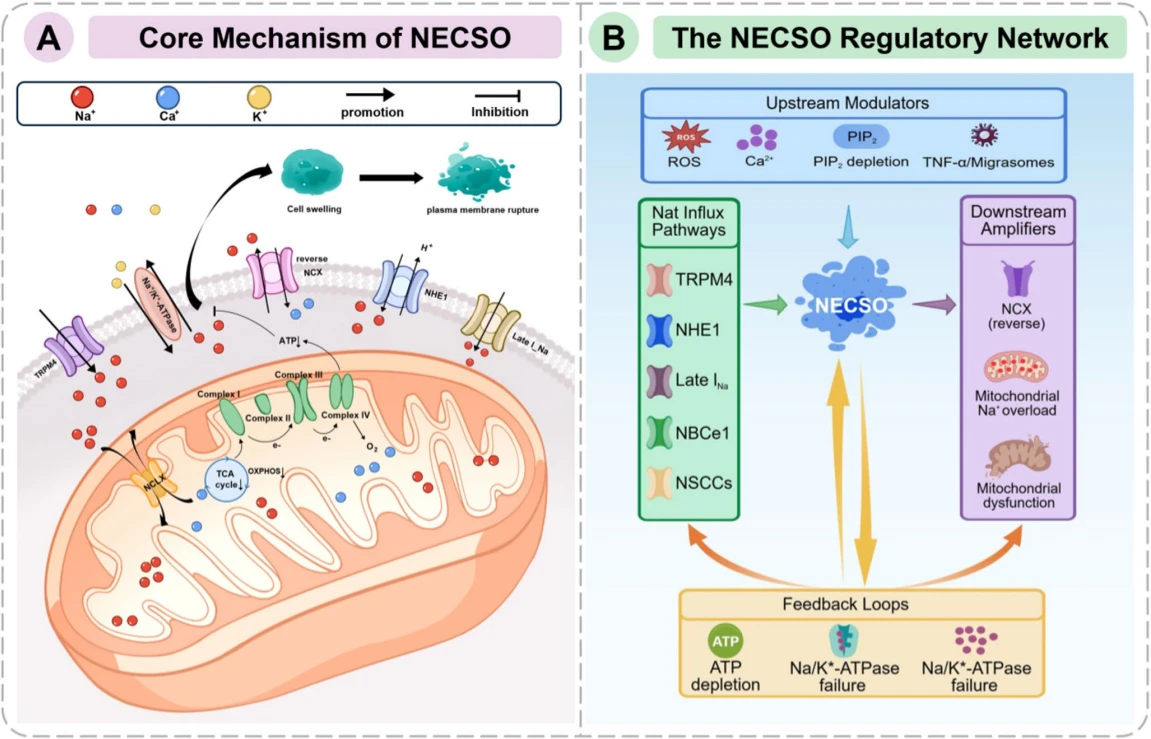
This is a review article published in 2026. It systematically summarizes the definition, core molecular mechanisms, pathophysiological functions, biomarker applications and therapeutic prospects of a novel form of regulated cell death first named in 2025 — Necrosis by Sodium Overload (NECSO).

EnkiLife has officially launched its KO/KD Validated Antibody line, with every antibody tested against CRISPR/Cas9 knockout or siRNA knockdown lysates. Backed by raw validation images and over 1,900 validated targets, the launch targets the antibody reproducibility crisis head-on—giving researchers negative controls they can actually trust.